
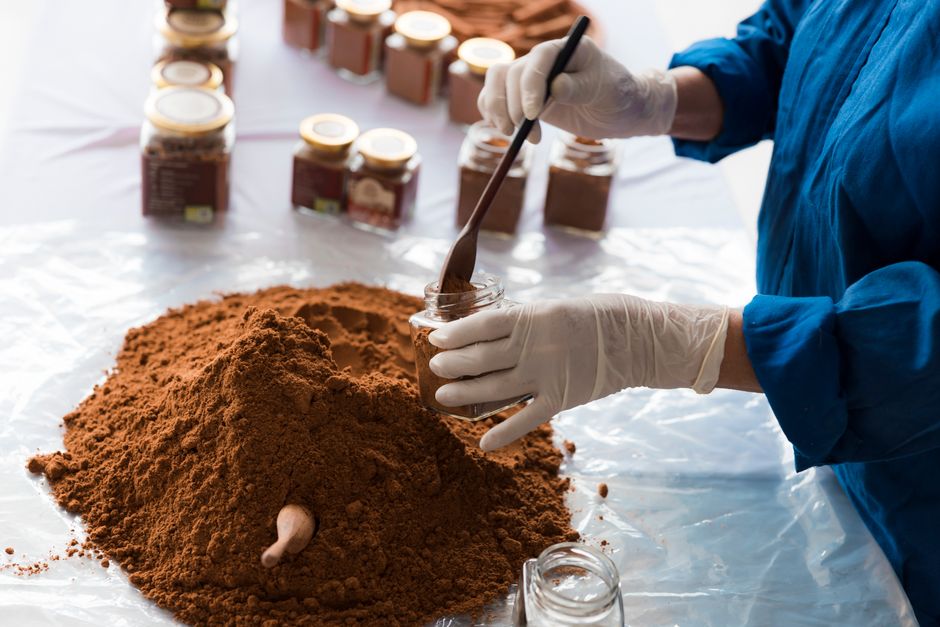
Carob molasses is a thick, dark syrup made by soaking and boiling the pods of the carob tree, a legume native to the Mediterranean. It has been used for centuries in Middle Eastern and Mediterranean cooking as a sweetener and home remedy. Unlike chocolate, carob contains no caffeine and no theobromine, and the molasses form is a concentrated source of the sugars naturally present in the pod.
What Is Carob Molasses Uses Nutrition Benefits?
Carob molasses is a traditional sweetener made from the fruit pods of the carob tree, most commonly produced in Lebanon, Turkey, Cyprus, and parts of the eastern Mediterranean. The pods are broken, soaked in water, and the resulting liquid is reduced by boiling until it thickens into a dark, bittersweet syrup.
Its main uses are culinary: as a sweetener for baked goods, a spread, a flavoring for drinks, and a substitute for chocolate or honey in some recipes. Nutritionally, it provides carbohydrates, some minerals, and small amounts of fiber, but it is still a sugar-rich syrup and should be treated as such.
The health claims surrounding carob molasses tend to outrun the evidence. It contains minerals and plant compounds, but no large human trials have shown it prevents or treats any disease. This article separates what is established from what is marketing.
How Is Carob Molasses Made?
Carob pods come from the carob tree, Ceratonia siliqua, which grows across the Mediterranean region. The pods are harvested when ripe, dried, and then processed into several different products — carob powder, carob syrup, and carob molasses.
The molasses process is straightforward. Pods are cracked and soaked in hot water, which draws out the natural sugars and water-soluble compounds. The liquid is then strained and boiled down until it thickens. No sugar is usually added; the sweetness comes from the pod itself.
This is worth clarifying because the names get confusing. Carob molasses and carob syrup are often used interchangeably, and both are different from carob powder, which is made by roasting and grinding the dried pods. Powder is used more like cocoa. Molasses is used more like honey or date syrup.
What Nutrients Does Carob Molasses Contain?
Carob molasses is mostly sugar and water. The exact nutrient profile varies by producer, harvest, and how much the syrup is reduced, so any single number should be treated as approximate.
What is reasonably consistent across analyses is that carob products contain small amounts of minerals, including calcium, potassium, magnesium, and iron, along with phenolic compounds — plant substances that have antioxidant activity in laboratory studies. Whether those compounds produce meaningful health effects in the human body is a separate question that has not been settled by clinical research.
The table below compares carob molasses to two sweeteners people commonly substitute it for. Values are general ranges, not brand-specific figures.
| Sweetener | Main sugars | Notable minerals | Caffeine |
|---|---|---|---|
| Carob molasses | Sucrose, glucose, fructose | Calcium, potassium, magnesium, iron (small amounts) | None |
| Honey | Fructose, glucose | Trace amounts | None |
| Blackstrap molasses | Sucrose, glucose, fructose | Iron, calcium, potassium (higher than carob) | None |
The mineral content of carob molasses is real but modest. It is not a meaningful source of iron or calcium compared with actual food sources like legumes, dairy, or leafy greens. Treating it as a supplement would be a mistake.



Is Carob Molasses Healthier Than Sugar or Honey?
Not in any way that matters for most people. Carob molasses is still a concentrated sugar syrup. Gram for gram, it delivers a similar carbohydrate load to honey or table sugar, and your body processes those sugars in much the same way.
The argument that it is “healthier” usually rests on its mineral content and antioxidant compounds. Both exist, but at levels too low to have a demonstrated clinical effect. A spoonful of carob molasses does not meaningfully change your mineral intake, and no human trial has shown that eating it improves any health outcome.
Where carob does differ is caffeine. It contains none, while chocolate and cocoa do. For someone avoiding caffeine, that is a genuine practical difference — but it is a difference in what the food is, not evidence that it improves health.
If you enjoy the taste, there is no reason to avoid it. If you are choosing it specifically because you believe it will lower blood sugar, boost iron, or replace a supplement, the evidence does not support that.
Does Carob Molasses Have Any Proven Health Benefits?
No clinical trials have established that carob molasses treats or prevents any disease in humans. That is the honest position, and it applies to most traditional sweeteners marketed for health.
Some laboratory and animal studies have looked at carob pod extracts and their polyphenol content. These studies suggest antioxidant and possibly anti-inflammatory activity in test systems. That is not the same as showing a benefit in people eating molasses as a food.
A few small human studies have examined carob fiber or carob powder for effects on cholesterol or blood sugar, with mixed results. Those studies used different carob products, not the molasses, and the findings do not transfer directly. The evidence is limited and does not support health claims for the syrup.
What can be said accurately is this: carob molasses is a traditional food with a long history of use, a pleasant flavor, and no caffeine. It is not a medicine.
How Is Carob Molasses Used?
In Mediterranean and Middle Eastern kitchens, carob molasses is used much like date syrup or honey. It is drizzled over yogurt, bread, and pastries, stirred into tahini to make a sweet spread, and used to sweeten cakes and cookies.
It also shows up in drinks. In some regions it is mixed with water or milk as a sweet beverage, and it is sometimes used in traditional preparations for sore throat or cough — though no clinical evidence supports it as a treatment for either.
A few practical notes:
- It is sweeter and thicker than carob powder, so it cannot be swapped one-to-one in recipes.
- It has a slightly bitter, molasses-like taste that some people find earthy rather than chocolatey.
- It stores well in a sealed jar at room temperature, similar to honey.
For anyone watching sugar intake, it counts as added sugar. That applies regardless of its mineral content or traditional reputation.
Who Should Be Careful With Carob Molasses?
Anyone who needs to manage blood sugar should treat carob molasses as they would any other sugar syrup. It raises blood glucose, and the small mineral content does not offset that.
People with diabetes or prediabetes should account for it in their carbohydrate intake rather than assuming it is a “safe” natural sweetener. The same caution applies to honey, maple syrup, and date syrup.
There is no established guidance for carob molasses during pregnancy, breastfeeding, or in infants and young children. No clinical guidelines currently exist for these groups. Because it is a concentrated sugar source, standard advice to limit added sugars in young children applies.
Carob is a legume, so people with legume allergies should be cautious, though carob allergy itself appears uncommon. If you have had a reaction to carob or related legumes, avoid it and speak with a clinician.
Frequently Asked Questions
Is carob molasses the same as chocolate?
No. Carob comes from the pods of the carob tree, not from cacao, and it contains no caffeine or theobromine. It has an earthy, slightly bitter sweetness that some people use as a chocolate substitute, but the flavor and chemistry are different.
Does carob molasses have caffeine?
No, carob molasses contains no caffeine. This is one of the few genuine differences between carob and chocolate or cocoa, both of which contain caffeine.
Can carob molasses lower blood sugar?
No. Carob molasses is a sugar-rich syrup and raises blood glucose like other sweeteners. No human trials support claims that it improves blood sugar control.
Is carob molasses a good source of iron?
It contains some iron, but at levels too low to be a meaningful dietary source. Foods like legumes, red meat, and fortified cereals provide far more iron per serving.
