
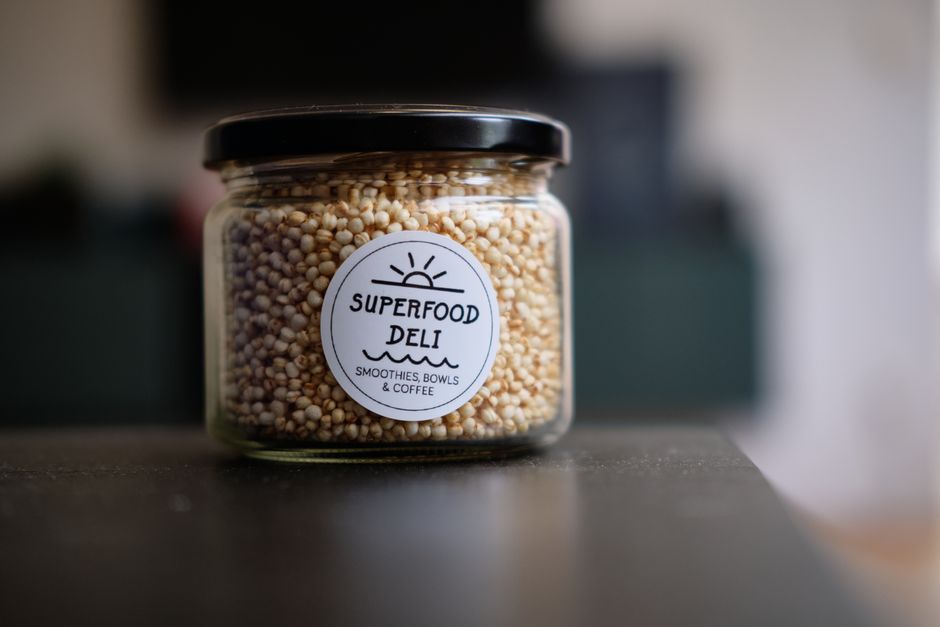
White quinoa is a seed that cooks like a grain, and it holds up well against most whole grains on nutrition. It is a complete protein, naturally gluten-free, and a good source of fiber, magnesium, and iron. For most people, it earns a regular spot on the plate.
Is White Quinoa Good For You Nutrition Facts
Yes. White quinoa is a nutrient-dense food that fits well into most diets. It provides all nine essential amino acids your body cannot make on its own, which is unusual for a plant food.
That complete protein profile is the main reason quinoa gets so much attention. Most plant proteins are low in at least one essential amino acid. Quinoa is not. It contains lysine, methionine, and the others in amounts that meet human needs, according to amino acid scoring standards used by the World Health Organization and the Food and Agriculture Organization.
White quinoa is the most common variety sold in the US. Red and black quinoa have similar nutrition, with minor differences in some plant compounds. The color mostly affects texture and cooking time, not the core nutrient profile.
One thing worth clarifying: quinoa is not a grain. It is the seed of a plant related to spinach and beets. That matters for people avoiding grains, though the nutrition behaves more like a whole grain than a vegetable.
What Are the Main Nutrients in White Quinoa?
A cup of cooked white quinoa delivers a solid package of macronutrients and micronutrients. The numbers below come from USDA nutritional data for cooked quinoa.
| Nutrient | Amount per 1 cup cooked (185g) |
|---|---|
| Calories | 222 |
| Protein | 8 grams |
| Carbohydrates | 39 grams |
| Fiber | 5 grams |
| Fat | 3.6 grams |
| Magnesium | 118 mg |
| Iron | 2.8 mg |
| Folate | 77 mcg |
| Manganese | 1.2 mg |
| Phosphorus | 281 mg |
The magnesium content stands out. At 118 mg per cup, quinoa provides roughly 28% of the daily magnesium needs for an average adult. Magnesium supports muscle function, blood sugar regulation, and bone health. Many Americans fall short on this mineral.
The fiber content is also meaningful. Five grams per cup is comparable to brown rice and higher than white rice. Fiber supports digestion and helps with blood sugar control.
Quinoa does contain oxalates, naturally occurring compounds found in many plant foods. For most people this is not a concern. People with a history of calcium oxalate kidney stones may want to discuss quinoa with their doctor, since oxalates can contribute to stone formation in susceptible individuals.
Is Quinoa a Complete Protein?
Yes. Quinoa contains all nine essential amino acids in amounts that meet human requirements. This makes it one of the few plant foods that qualifies as a complete protein.
Essential amino acids are the building blocks your body cannot produce. You have to get them from food. Most plant proteins fall short on one or more of these. Rice is low in lysine. Beans are low in methionine. Quinoa has enough of both.
That said, the protein content per serving is moderate. Eight grams per cooked cup is less than you would get from a chicken breast or a cup of lentils. Quinoa is a good protein source, not a high one. If protein is your main goal, it works best alongside other protein-rich foods.
The idea that you need to combine plant proteins at every meal to get complete protein is outdated. Your body maintains a pool of amino acids and can combine them across the day. Eating quinoa with beans or vegetables is fine, but you do not need to pair them perfectly at every sitting.




Does White Quinoa Help With Blood Sugar and Weight?
Quinoa has a lower glycemic index than white rice, which means it raises blood sugar more slowly. This makes it a reasonable choice for people managing blood sugar.
That does not mean quinoa is a low-carb food. A cup of cooked quinoa has about 39 grams of carbohydrates. For someone with diabetes, that is a significant amount and needs to be counted.
Quinoa does have advantages over refined grains. The fiber and protein slow digestion, which blunts the blood sugar spike compared to white rice or white bread. Some studies suggest quinoa may improve markers of blood sugar control, though the research is not large or long-term enough to make strong claims.
For weight management, quinoa is filling relative to its calories. The fiber and protein both contribute to satiety. But it is not a weight-loss food. It has roughly the same calories per cup as brown rice. Whether it helps with weight depends on what it replaces in your diet and how much you eat.
No single food causes weight loss. Quinoa can be part of a healthy eating pattern, but it is not a shortcut.
Is White Quinoa Gluten-Free?
Yes. Quinoa is naturally gluten-free. It is safe for people with celiac disease or gluten sensitivity.
One caution applies here. Quinoa is often processed in facilities that also handle wheat, barley, or rye. Cross-contamination is possible. If you have celiac disease, look for quinoa labeled gluten-free. That label means the product meets federal standards for gluten content.
Quinoa is also a good choice for people who avoid gluten for other reasons. It provides the bulk and texture that gluten-containing grains offer, which makes it useful in baking blends and as a rice substitute.
For people with irritable bowel syndrome, quinoa is generally well tolerated. It is lower in fermentable carbohydrates than wheat, though it is not completely free of them. Some people with IBS may still react. Individual tolerance varies.
How Does White Quinoa Compare to Other Grains?
Quinoa holds its own against common whole grains, though it is not the clear winner in every category. The table below compares one cup of cooked grains using USDA data.
| Grain (1 cup cooked) | Calories | Protein | Fiber | Magnesium |
|---|---|---|---|---|
| White quinoa | 222 | 8 g | 5 g | 118 mg |
| Brown rice | 218 | 5 g | 3.5 g | 84 mg |
| White rice | 205 | 4 g | 0.6 g | 19 mg |
| Oats (cooked) | 166 | 6 g | 4 g | 63 mg |
| Barley (pearl, cooked) | 193 | 3.5 g | 6 g | 32 mg |
Quinoa leads on protein and magnesium. Barley has more fiber. Oats are lower in calories per cup. The best grain depends on what you need.
Quinoa cooks faster than brown rice, usually in about 15 minutes. That convenience is part of why it became popular. It also has a mild, slightly nutty flavor that works in both savory and sweet dishes.
Cost is a real factor. Quinoa typically costs more per pound than rice or oats. If budget matters, it does not need to replace other grains. It can rotate in alongside them.
Who Should Be Careful With Quinoa?
Quinoa is safe for most people. A few groups should pay attention.
- People with kidney stones: Quinoa contains oxalates, which can contribute to calcium oxalate stones in susceptible individuals. Talk to your doctor about whether to limit high-oxalate foods.
- People with kidney disease: Quinoa is high in phosphorus and potassium. If you are on a restricted diet for kidney disease, check with your healthcare provider before making it a regular food.
- People with celiac disease: Choose certified gluten-free quinoa to avoid cross-contamination with wheat.
- People with IBS: Quinoa is generally well tolerated, but individual reactions vary. Start with a small portion if you are unsure.
Quinoa also contains saponins, natural compounds that coat the seed. These can taste bitter and may cause digestive discomfort in some people. Most commercial quinoa is pre-rinsed to remove them. Rinsing again before cooking does not hurt.
For everyone else, there is no established reason to avoid quinoa. It is not a common allergen, and no major health authority recommends limiting it for the general population.
Frequently Asked Questions
Is white quinoa healthier than brown rice?
Quinoa has more protein, fiber, and magnesium than brown rice, so it is more nutrient-dense per cup. Both are healthy whole-food choices, and the better pick depends on your overall diet.
How much quinoa should I eat per day?
There is no official daily recommendation for quinoa specifically. A typical serving is one cup cooked, and it fits within the grain group of a balanced diet.
Does quinoa need to be rinsed before cooking?
Most packaged quinoa is pre-rinsed, so rinsing is optional. A quick rinse can remove any remaining saponins that might taste bitter or cause mild stomach upset.
Can quinoa cause kidney stones?
Quinoa contains oxalates, which can contribute to calcium oxalate stones in people who are prone to them. If you have a history of kidney stones, ask your doctor whether to limit high-oxalate foods.
