
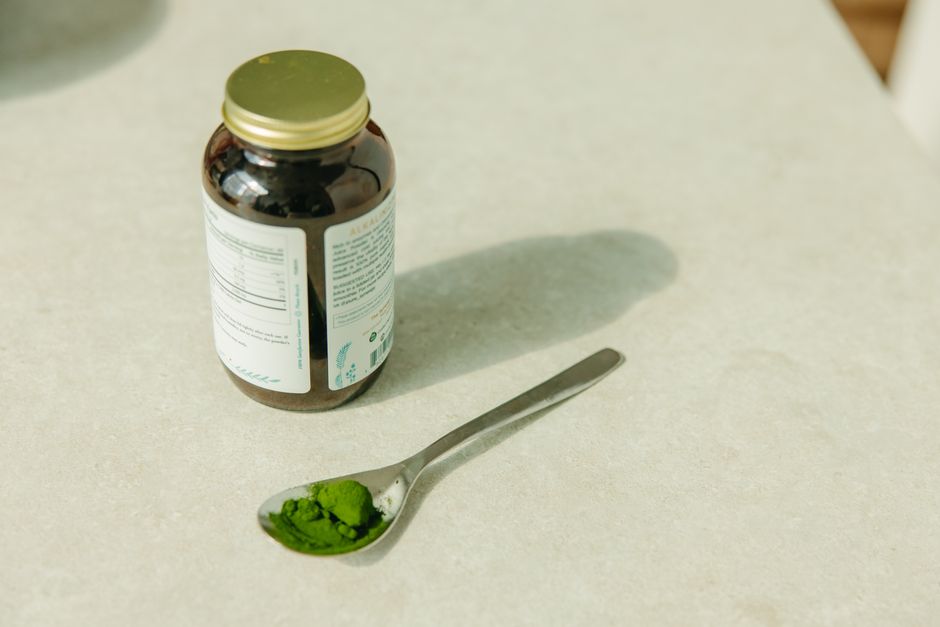
Greenga is a brand name used for a type of powdered green drink mix sold as a dietary supplement. These products typically blend dried grasses, algae, vegetables, and sometimes herbs or probiotics into a powder you stir into water or juice. The idea behind them is simple: deliver a concentrated dose of plant nutrients in one scoop. Whether that idea holds up in practice is a different question, and one worth answering honestly.
Greenga nutrition uses and health impacts center on one main selling point — convenience. A scoop of powder is faster than chopping vegetables or cooking a balanced meal. But the nutrients in a powder are not identical to those in whole food, and no green powder has been shown to replace a healthy diet or prevent disease. Understanding what these products actually contain, and what the research does and does not support, helps you decide whether they belong in your routine.
What Is Greenga and What Is Usually In It?
Greenga refers to a powdered supplement format, not a single standardized product. Formulas vary by brand and by version, so two products with similar names can have different ingredient lists. That variability matters because it means general claims about “Greenga” are really claims about a category of green powders, not one fixed recipe.
Most green powders in this category share a similar base. Common ingredients include:
- Dried cereal grasses such as wheatgrass, barley grass, and alfalfa
- Spirulina and chlorella, which are types of algae
- Powdered vegetables like spinach, kale, and broccoli
- Sometimes added herbs, fiber, or probiotic bacteria
- Flavoring, sweeteners, or natural colors
The drying process is central to how these products are made. Fresh plants are harvested, dried, and milled into a fine powder. Drying preserves some nutrients but reduces others, particularly certain vitamins that are sensitive to heat and air. What ends up in the scoop is a concentrated plant material, but not a live vegetable.
What Is Greenga Nutrition Uses And Health Impacts?
Greenga and similar green powders are marketed for energy, digestion, immunity, and general wellness. The nutrition they provide comes from the plant ingredients, which can include vitamins, minerals, fiber, and plant compounds called phytochemicals. The health impacts, though, depend heavily on dose and on what else you eat.
Here is where honesty matters. A typical serving of green powder is small — often just a few grams. That is far less plant material than a single serving of actual vegetables. The nutrients present in a scoop are real, but the amounts are usually modest compared to whole foods.
Some ingredients have their own research behind them. Spirulina, for example, has been studied for effects on cholesterol and blood sugar, and some studies suggest modest benefits. Chlorella has been studied for similar outcomes. But these studies often use specific doses of a single ingredient, not a mixed green powder, and results vary. It is a mistake to assume that because spirulina showed an effect in one study, a green powder containing a small amount of spirulina will do the same.
The practical health impact for most people is likely small. Green powders can add some plant compounds to your diet. They are not a substitute for vegetables, and no evidence shows they prevent chronic disease on their own.
Can a Green Powder Replace Vegetables?
No. A green powder cannot replace vegetables, and this is one of the clearest points in the whole category.
Whole vegetables provide fiber, water, and a wide range of nutrients in amounts and combinations that a small scoop of powder cannot match. Chewing and digesting whole plant foods also affects how nutrients are absorbed and how full you feel. A powder skips most of that.
Fiber is a good example. Vegetables are a major source of dietary fiber, which supports digestion and feeds beneficial gut bacteria. Most green powders contain little fiber per serving, and some contain none that is meaningful. If you rely on a powder instead of vegetables, you may miss the fiber your body needs.
The honest framing is this: a green powder is an add-on at best. It sits alongside a healthy diet. It does not stand in for one.




Are There Real Benefits or Just Marketing?
Some benefits are plausible, and some claims are not supported. Separating them requires looking at what the evidence actually shows rather than what the label promises.
What has some support:
- Certain single ingredients, like spirulina and chlorella, have shown modest effects on cholesterol or blood sugar in some studies
- Adding plant compounds to a diet that lacks them may offer small benefits
- Some people find them an easy way to increase fluid intake or build a routine
What lacks solid support:
- Claims of “detoxing” the body — the liver and kidneys already handle that, and no green powder has been shown to improve this
- Claims of boosting immunity in a meaningful, measurable way
- Claims of preventing disease
- Claims of replacing meals or vegetables
The word “detox” deserves special attention. It is a marketing term, not a medical one. Your body clears waste through the liver, kidneys, and other organs continuously. No supplement has been shown to make that process work better in a healthy person.
Who Should Be Careful With Green Powders?
Green powders are not right for everyone, and some groups should be cautious.
People taking blood-thinning medication should be careful. Some green powders contain vitamin K, which affects how these medications work. A sudden change in vitamin K intake can interfere with dosing. Anyone on warfarin or a similar drug should talk to their doctor before adding a green powder.
People with kidney disease should also be cautious. Some green powders are high in potassium and other minerals that can build up when kidneys are not filtering well. This is a genuine safety concern, not a minor one.
Anyone with a thyroid condition should check labels. Some green powders contain kelp or other seaweeds, which are high in iodine. Too much iodine can affect thyroid function.
Pregnant and breastfeeding women should treat green powders with caution. There are no clinical guidelines establishing safe doses of these products for pregnancy or breastfeeding, and ingredient lists vary too much to give general advice. The safest approach is to ask a doctor before using any green powder during pregnancy or while nursing.
People with allergies to grasses, algae, or specific vegetables should read labels carefully. Reactions are possible.
How Do Green Powders Compare to Whole Foods?
The comparison is not close, and a table makes it clear.
| Feature | Green Powder (typical serving) | Whole Vegetables (one serving) |
|---|---|---|
| Fiber | Usually low or none | Often several grams |
| Water content | None until mixed | High, supports fullness |
| Vitamin amounts | Varies, often modest | Varies, generally more reliable |
| Phytochemicals | Present but concentrated and dried | Present in natural form |
| Cost per serving | Often high | Generally lower |
The table shows the core issue. A powder can concentrate some nutrients, but it loses the fiber, water, and eating experience that make whole vegetables valuable. For most people, spending money on vegetables delivers more nutrition per dollar than spending it on powder.
Do You Need a Green Powder?
Most people do not need a green powder. If you already eat a variety of vegetables and fruits, a green powder adds little. If your diet is low in plant foods, a powder is a small patch, not a fix.
That does not mean green powders are useless. Some people like them, find them convenient, and use them as part of an otherwise healthy diet. That is a reasonable choice. What is not reasonable is expecting a scoop of powder to make up for a poor diet or to deliver dramatic health changes.
If you decide to try one, read the ingredient list. Check for added sugars, check for ingredients that interact with any medication you take, and check the serving size so you know how much plant material you are actually getting. A product with a long list of ingredients in tiny amounts may deliver less than the label suggests.
Frequently Asked Questions
What is Greenga used for?
Greenga and similar green powders are used as a convenient way to add plant ingredients to the diet. They are marketed for energy, digestion, and general wellness, though evidence for these specific benefits is limited.
Can green powder replace vegetables in my diet?
No, green powder cannot replace vegetables. It lacks the fiber, water, and nutrient amounts that whole vegetables provide, so it works only as an add-on to a healthy diet.
Is Greenga safe for everyone?
No, some people should be cautious. Those on blood thinners, with kidney disease, with thyroid conditions, or who are pregnant or breastfeeding should check with a doctor first.
Does green powder detox your body?
No, there is no evidence that green powder detoxes the body. The liver and kidneys already clear waste, and no supplement has been shown to improve that process in healthy people.
