
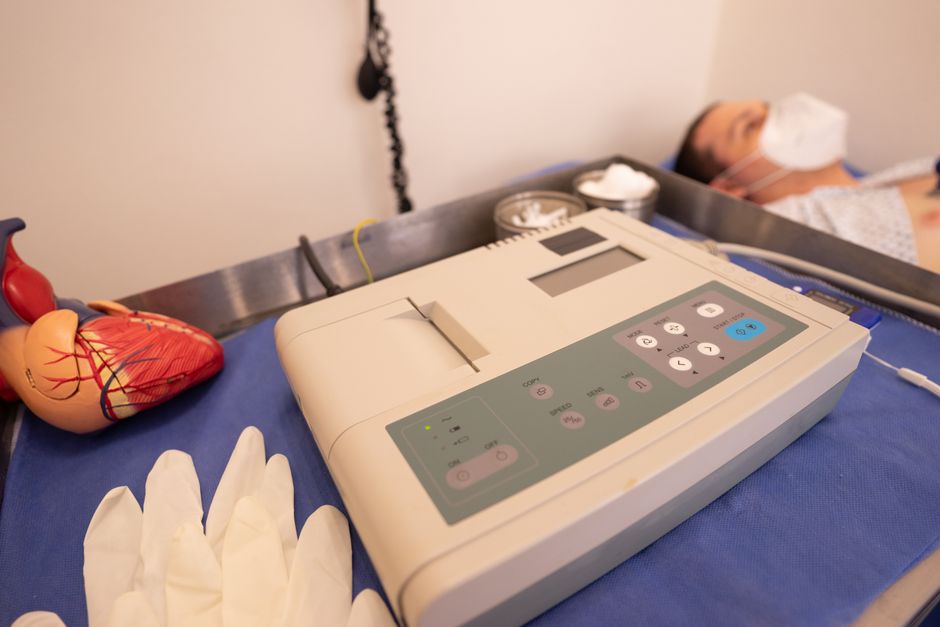
Cardiac tamponade is a medical emergency where fluid builds up in the sac around the heart and presses on it, stopping it from filling properly. This pressure reduces the amount of blood the heart can pump to the rest of the body. Without rapid treatment, it can cause dangerously low blood pressure and organ failure. The classic signs include low blood pressure, muffled heart sounds, and bulging neck veins, though not everyone shows all three.
What Exactly Happens During Cardiac Tamponade?
The heart sits inside a double-layered sac called the pericardium. Normally, this sac contains a small amount of fluid that lubricates the heart as it beats. In cardiac tamponade, that space fills with too much fluid—blood, pus, or other liquid—and the pressure inside the sac rises.
That rising pressure squeezes the heart from the outside. The heart’s chambers cannot expand fully between beats. Less blood enters the heart, so less blood leaves it. Blood pressure drops, and organs start receiving less oxygen than they need.
The speed matters as much as the amount. A slow buildup of fluid lets the pericardium stretch over days or weeks, so the heart can keep working longer. A sudden buildup of even a small amount of fluid can be fatal within minutes because the sac has no time to stretch.
What Causes Cardiac Tamponade?
The most common causes fall into a few clear categories. Trauma is a major one—a stab wound, a car accident, or a blow to the chest can cause bleeding into the pericardial sac. Medical procedures can also cause it, particularly heart surgery, pacemaker placement, or biopsies that involve the heart area.
Other causes include:
- Cancer—especially lung cancer or breast cancer that spreads to the pericardium
- Kidney failure—waste products can build up and cause inflammation of the pericardium
- Infections—viral, bacterial, or tuberculosis-related inflammation of the pericardium
- Heart attack—a tear in the heart muscle can leak blood into the sac
- Autoimmune diseases—conditions like lupus or rheumatoid arthritis can cause pericardial inflammation
- Certain medications—some drugs can trigger pericarditis as a side effect
Sometimes the cause is never found. Doctors call this idiopathic. In developed countries, the most common causes are cancer, heart surgery complications, and kidney failure. In areas where tuberculosis is common, it remains a leading cause.
What Are the Signs and Symptoms of Cardiac Tamponade?
The symptoms depend on how fast fluid accumulates. Sudden tamponade from trauma produces dramatic symptoms quickly. Slow tamponade from cancer or kidney disease may cause vague symptoms that build over time.
Common symptoms include:
- Shortness of breath—often worse when lying flat
- Chest pain or pressure
- Dizziness or fainting
- Rapid heartbeat
- Anxiety or a sense of doom
- Swelling in the legs or abdomen
- Cool, clammy skin
The classic three signs doctors look for are called Beck’s triad: low blood pressure, muffled heart sounds, and bulging neck veins. Not everyone has all three. The neck veins bulge because blood backs up in the veins trying to reach the heart. Low blood pressure happens because the heart cannot pump enough blood forward.
Another sign is pulsus paradoxus—a drop in blood pressure during inhalation that is larger than normal. This is not specific to tamponade, but it helps doctors suspect the diagnosis.





How Is Cardiac Tamponade Diagnosed?
Doctors diagnose cardiac tamponade quickly because it is life-threatening. The physical exam gives strong clues. An echocardiogram—an ultrasound of the heart—is the most useful test. It shows the fluid around the heart and how the heart chambers collapse under pressure.
Other tests may include:
- Electrocardiogram (ECG)—may show fast heart rate or low voltage in the heart’s electrical signals
- Chest X-ray—may show an enlarged heart silhouette, called a “water bottle” shape
- CT scan—useful if the echocardiogram is unclear
- Blood tests—may help identify the underlying cause, such as infection or cancer
The key finding on echocardiogram is collapse of the right side of the heart during certain phases of the heartbeat. This confirms the pressure is severe enough to compress the heart.
What Is the Treatment for Cardiac Tamponade?
Cardiac tamponade is not something that resolves on its own. The only definitive treatment is removing the fluid from around the heart. This is done with a procedure called pericardiocentesis.
During pericardiocentesis, a doctor inserts a needle into the chest and guides it into the pericardial sac, usually with ultrasound guidance. The fluid drains out through a catheter. The procedure often brings immediate relief—blood pressure rises, symptoms improve, and the heart can fill properly again.
In some cases, surgery is needed instead. This happens when the cause is trauma, when the fluid is clotted, or when the fluid keeps coming back. Surgeons may create a window in the pericardium that lets fluid drain into the chest cavity, or they may remove part of the pericardium entirely.
Fluid removal is the emergency treatment. After that, doctors treat the underlying cause. If cancer caused the tamponade, treatment focuses on the cancer. If an infection caused it, antibiotics or antifungals are given. If kidney failure caused it, dialysis may be adjusted.
Some patients receive intravenous fluids and medications to support blood pressure while waiting for the procedure. These are temporary measures only—they do not treat the tamponade itself.
What Happens After Treatment?
Recovery depends on what caused the tamponade and how quickly it was treated. Patients who receive prompt treatment for a reversible cause often recover fully. The heart usually returns to normal function once the pressure is removed.
The fluid that was drained is typically sent to a laboratory for analysis. This can identify infection, cancer cells, or inflammation that guides further treatment.
Some patients develop fluid again after treatment. This is more common when the underlying cause is cancer or chronic inflammation. In these cases, doctors may recommend a longer-term solution, like a pericardial window or a catheter that stays in place.
Without treatment, cardiac tamponade is almost always fatal. With prompt treatment, the outlook depends entirely on the underlying condition. A patient with a single episode from a viral infection may never have another problem. A patient with advanced cancer may face ongoing challenges.
When Should You Seek Emergency Care?
Cardiac tamponade is a true emergency. If someone has chest pain, severe shortness of breath, fainting, or a racing heart after chest trauma, call emergency services immediately. Do not wait to see if symptoms improve.
People who have had recent heart surgery, a heart attack, or a diagnosis of cancer involving the chest should be especially alert. The symptoms can come on suddenly and worsen quickly.
There is no home treatment for cardiac tamponade. No medication, breathing technique, or lifestyle change can relieve the pressure around the heart. The only effective response is emergency medical care.
Frequently Asked Questions
Can cardiac tamponade happen suddenly without warning?
Yes, sudden tamponade can occur after chest trauma, a heart attack, or a procedure involving the heart. Symptoms appear quickly and can become life-threatening within minutes.
Is cardiac tamponade the same as pericarditis?
No. Pericarditis is inflammation of the sac around the heart, while tamponade is the compression caused by fluid buildup. Pericarditis can lead to tamponade, but most pericarditis cases never progress to that point.
How fast does cardiac tamponade need to be treated?
Immediately. Cardiac tamponade is a medical emergency that requires urgent fluid drainage in a hospital setting. Delaying treatment can lead to cardiac arrest and death.
Can cardiac tamponade come back after treatment?
Yes, it can recur, especially if the underlying cause—such as cancer or chronic inflammation—is not controlled. Doctors may recommend additional procedures to prevent recurrence in these cases.
