
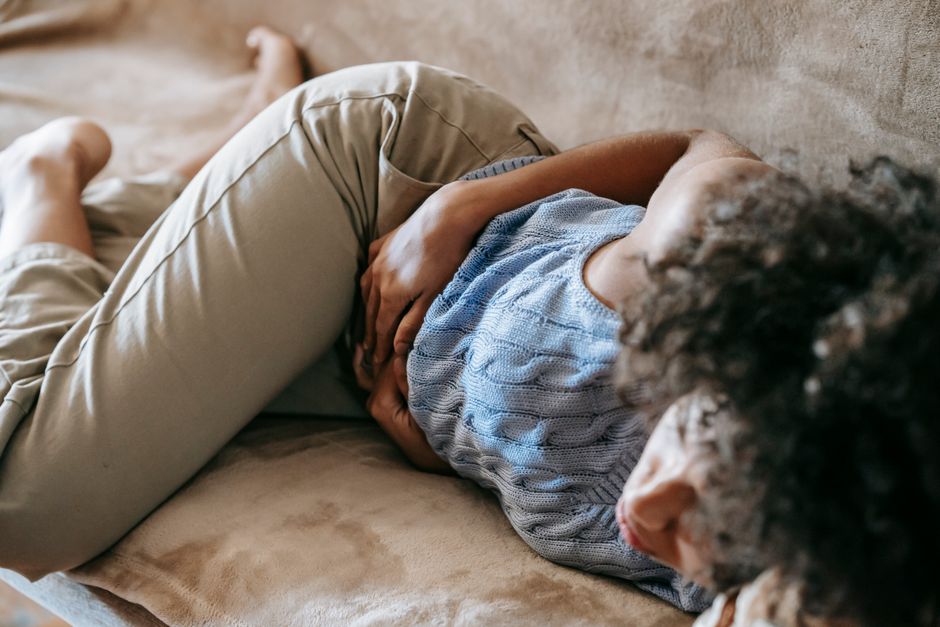
Endometrial fibrosis is a condition where scar tissue forms inside the uterine lining, often after surgery, infection, or injury to the womb. The scar tissue can reduce the area of healthy endometrium, which may lead to light or absent periods, pelvic pain, and difficulty becoming pregnant. Treatment typically involves surgery to remove the scar tissue, sometimes followed by hormone therapy or other supportive measures to help the lining heal.
What Is Endometrial Fibrosis?
Endometrial fibrosis is a form of intrauterine scarring. The endometrium is the inner lining of the uterus that thickens and sheds each month during a menstrual cycle. When this lining is damaged, the body may form scar tissue (adhesions) in its place. This scar tissue is not the same as normal endometrial tissue. It does not respond to hormones, does not shed, and does not support a pregnancy.
The condition goes by several medical names. Doctors often call it intrauterine adhesions or Asherman’s syndrome when the scarring is significant enough to cause symptoms. Endometrial fibrosis is the general term for the microscopic scar tissue that forms within the lining. The two terms are closely related and are often used interchangeably in clinical practice.
The severity can range from a small band of scar tissue to complete obliteration of the uterine cavity. Mild cases may cause no symptoms at all. Severe cases can essentially eliminate the functional lining of the uterus.
What Causes Endometrial Fibrosis?
The most common cause of endometrial fibrosis is trauma to the uterine lining. This trauma usually happens during a procedure that scrapes or cuts the inside of the uterus.
The single most common trigger is a dilation and curettage (D&C). This is a procedure where the cervix is dilated and the uterine lining is scraped or suctioned. It is often performed after a miscarriage, abortion, or childbirth to remove retained tissue. The procedure can inadvertently remove the deeper layer of the endometrium, which contains the cells that regenerate the lining each month. When this layer is damaged, scar tissue forms instead.
Other causes include:
- Cesarean section, especially if the incision affects the uterine cavity
- Removal of uterine fibroids, particularly when fibroids are located inside the cavity
- Uterine infections, such as endometritis or pelvic inflammatory disease
- Uterine artery embolization, a procedure used to shrink fibroids by blocking their blood supply
- Radiation therapy to the pelvic area
Some research suggests that a pregnancy-related D&C carries a higher risk of scarring than a D&C performed for other reasons. This may be because the uterine lining is already vulnerable in the postpartum period.
What Are the Symptoms of Endometrial Fibrosis?
Symptoms vary widely depending on the extent of the scarring. Some women have no symptoms at all and only discover the condition during an infertility workup.
The most common symptoms include:
- Light periods or no periods at all
- Pelvic pain, especially around the time of the expected period
- Painful periods (dysmenorrhea)
- Difficulty getting pregnant
- Recurrent miscarriages
The absence of a period is called amenorrhea. It occurs when scar tissue blocks the outflow of menstrual blood or when the lining is too damaged to build up and shed. Some women experience cyclic pelvic pain even without visible bleeding. This happens when the endometrium builds up behind the scar tissue but cannot escape.
Infertility occurs for two reasons. First, the scar tissue reduces the surface area of healthy endometrium. A fertilized egg needs a healthy lining to implant. Second, scar tissue can alter the shape of the uterine cavity, making implantation less likely.




How Is Endometrial Fibrosis Diagnosed?
Endometrial fibrosis is not diagnosed by a blood test or physical exam alone. Imaging is required to see the inside of the uterus.
The gold standard for diagnosis is hysteroscopy. This is a procedure where a thin, lighted camera is inserted through the cervix into the uterine cavity. The doctor can directly visualize the scar tissue and assess its extent and location. Hysteroscopy also allows the surgeon to treat the scarring in the same session.
Ultrasound can sometimes suggest the diagnosis. A saline infusion sonogram (also called a sonohysterogram) involves injecting sterile fluid into the uterus during an ultrasound. The fluid distends the cavity, making scar tissue more visible. However, this method is less accurate than hysteroscopy for detecting mild adhesions.
Magnetic resonance imaging (MRI) is occasionally used for complex cases, but it is not a first-line test.
The classification of severity is based on how much of the uterine cavity is affected. Mild cases involve less than one-third of the cavity. Moderate cases involve one-third to two-thirds. Severe cases involve more than two-thirds. This classification helps guide treatment decisions.
What Are the Treatment Options?
Treatment is not always necessary. If a woman has no symptoms and is not trying to conceive, observation may be appropriate. However, for women who want to become pregnant or who have significant pain, treatment is usually recommended.
The main treatment is hysteroscopic adhesiolysis. This is a surgical procedure where the scar tissue is cut or vaporized using specialized instruments passed through the hysteroscope. The goal is to restore the normal shape of the uterine cavity and expose healthy endometrial tissue.
The procedure is generally performed under general anesthesia or sedation. It is a day surgery, meaning most women go home the same day. The success rate depends on the severity of the scarring. Mild to moderate cases have good outcomes. Severe cases are more challenging and may require more than one procedure.
After surgery, several measures are used to prevent the scar tissue from reforming. These include:
- Placement of a balloon catheter in the uterus for several days to keep the cavity open
- Estrogen therapy to promote regrowth of the endometrial lining
- Antibiotics to prevent infection
The evidence for these postoperative measures is mixed. Some studies show they reduce adhesion recurrence, while others show no clear benefit. Most surgeons use them anyway because the risk of recurrence is high, especially in moderate to severe cases.
What Is the Prognosis After Treatment?
The outlook depends heavily on the severity of the original scarring.
For women with mild to moderate adhesions, the chance of restoring a normal menstrual cycle is high. Studies consistently show that most women resume normal periods after surgery. Pregnancy rates after treatment are also encouraging, though they are lower than in the general population.
For women with severe scarring, the prognosis is more guarded. The recurrence rate of adhesions after surgery is significant, and multiple procedures may be needed. Even after successful surgery, the underlying damage to the endometrial lining may limit fertility.
One important point: pregnancy after treatment for endometrial fibrosis carries higher risks. Some research indicates an increased risk of placental abnormalities, such as placenta accreta, where the placenta grows too deeply into the uterine wall. This is why women who conceive after treatment are often monitored more closely during pregnancy.
Can Endometrial Fibrosis Be Prevented?
Prevention focuses on reducing trauma to the uterine lining. This is not always possible, as many of the procedures that cause scarring are medically necessary.
One area of active research is whether certain surgical techniques reduce the risk of adhesions. For example, some evidence suggests that using ultrasound guidance during a D&C may reduce the risk of over-aggressive scraping. However, this is not yet a universal standard of care.
There is no reliable way to predict who will develop endometrial fibrosis after a uterine procedure. Some women develop extensive scarring after a single D&C, while others undergo multiple procedures without any adhesions.
What Is the Difference Between Endometrial Fibrosis and Endometriosis?
These two conditions are often confused because the names sound similar. They are completely different.
Endometriosis is a condition where endometrial-like tissue grows outside the uterus, such as on the ovaries, fallopian tubes, or pelvic lining. This tissue responds to hormones and bleeds each month, causing pain and inflammation.
Endometrial fibrosis is scar tissue inside the uterine cavity. It is not endometrial tissue growing in the wrong place. It is a consequence of injury or inflammation within the uterus itself.
The symptoms can overlap. Both conditions can cause pelvic pain and infertility. But the causes, diagnosis, and treatment are entirely different. A woman can have both conditions at the same time, which can make diagnosis more complex.
When Should You See a Doctor?
You should seek medical evaluation if you notice a sudden change in your periods after a uterine procedure. This includes significantly lighter periods, no periods, or new pelvic pain.
You should also see a doctor if you have difficulty conceiving and have a history of uterine surgery, miscarriage, or uterine infection. A fertility specialist or gynecologist can perform the appropriate imaging to evaluate for scarring.
There is no home test for endometrial fibrosis. The diagnosis requires imaging by a qualified healthcare provider.
Frequently Asked Questions
Can endometrial fibrosis go away on its own?
No, scar tissue inside the uterus does not resolve without treatment. Mild cases may not cause symptoms, but the scar tissue itself remains unless surgically removed.
Is endometrial fibrosis the same as Asherman’s syndrome?
Yes, they are essentially the same condition. Asherman’s syndrome is the clinical term for symptomatic intrauterine adhesions, and endometrial fibrosis describes the scar tissue that forms.
Can you get pregnant with endometrial fibrosis?
Some women with mild scarring can conceive without treatment. However, moderate to severe scarring significantly reduces fertility, and surgical treatment is usually recommended before attempting pregnancy.
Does endometrial fibrosis cause pain?
It can. Some women experience pelvic pain and painful periods, especially when menstrual blood is trapped behind scar tissue. Other women have no pain at all.
