
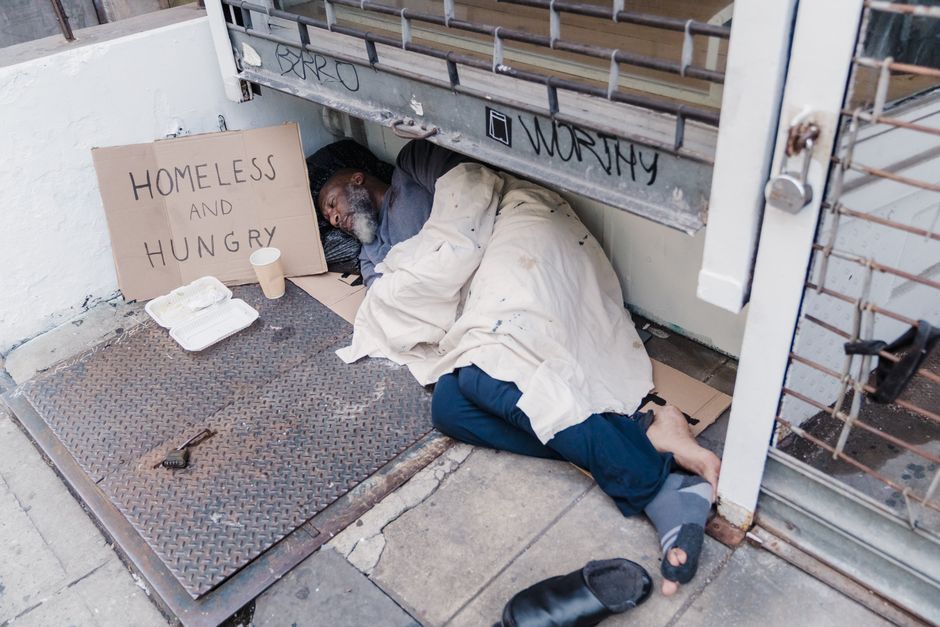
Homelessness is not just a housing problem. It is a serious health crisis that affects nearly every system in the body. Living without stable shelter exposes people to extreme temperatures, violence, poor sanitation, and constant stress, which can trigger new illnesses and make existing ones much worse. Treatment options exist, but they rarely work in isolation; stable housing is often the most effective medical intervention available.
How Can Homelessness Affect Your Health Directly?
The physical toll of homelessness begins with basic exposure. Sleeping outside or in a car means enduring heat, cold, rain, and wind without protection. This leads to hypothermia in winter and heat exhaustion in summer. Frostbite can cause permanent tissue damage, and chronic dampness contributes to fungal infections and respiratory problems.
Poor hygiene is another direct consequence. Without regular access to showers and clean clothes, skin infections become common. Scabies, lice, and bacterial infections spread easily in crowded shelters. Foot problems are particularly severe. People who stand or walk all day in worn-out shoes often develop cellulitis, a bacterial skin infection that can become life-threatening if untreated.
The lack of a safe place to sleep also means constant physical wear. Musculoskeletal pain from sleeping on hard surfaces is nearly universal. Chronic back and joint problems that would heal with rest and a bed often worsen without them.
What Chronic Diseases Are More Common in People Experiencing Homelessness?
Chronic conditions develop faster and progress more aggressively without stable housing. High blood pressure, diabetes, and heart disease are all significantly more common. The reasons are practical. Managing a chronic illness requires refrigeration for insulin, a quiet place to check blood sugar, and a consistent schedule for medications. None of these are reliably available on the street.
Infectious diseases also spread more readily. Tuberculosis is a major concern in crowded shelters. Hepatitis B and C, along with HIV, occur at higher rates. Some of this relates to injection drug use, but some is simply the result of limited access to testing and prevention services.
Dental health collapses quickly. Without access to regular brushing, running water, or dental care, cavities and gum disease become severe. Tooth loss affects nutrition, speech, and self-esteem. It also increases the risk of systemic infections that can affect the heart.
How Does Homelessness Affect Mental Health and the Brain?
Mental illness and homelessness are deeply connected. Some mental health conditions develop as a direct result of homelessness. Others existed before and worsen without treatment.
The stress of homelessness is relentless. The brain stays in a state of high alert, constantly scanning for threats. This chronic stress response elevates cortisol levels, which damages sleep, impairs memory, and increases anxiety. Post-traumatic stress disorder is extremely common, often from violence experienced while homeless.
Sleep deprivation is nearly universal. Shelters are noisy and crowded. Sleeping outside means staying vigilant. The result is chronic exhaustion that impairs judgment and decision-making. This creates a cycle where poor sleep makes it harder to navigate the complex systems needed to escape homelessness.
Substance use disorders are both a cause and a consequence. Drugs and alcohol may be used to cope with trauma, pain, and hopelessness. Addiction then makes it harder to maintain housing and employment. Depression and suicidal thoughts are significantly elevated in this population.





What Are the Treatment Options for Health Problems Related to Homelessness?
Treatment for health conditions related to homelessness requires a two-track approach. The first track addresses the immediate medical problems. The second addresses the underlying cause: lack of stable housing.
For acute conditions like infections, wounds, and hypothermia, emergency care is the standard first step. Hospitals stabilize patients and treat the immediate threat. The problem is that without a safe place to recover, patients often return to the same conditions that caused the illness. This is why hospital readmission rates are high among people experiencing homelessness.
For chronic conditions, the treatment approach must be adapted to the realities of homelessness. Standard diabetes management assumes a refrigerator for insulin. Standard hypertension treatment assumes a pharmacy you can reach and a place to store pills. Clinics that specialize in homeless healthcare design treatment plans around these limitations. They may use medications that require less frequent dosing or coordinate with shelters to store medications safely.
Mental health treatment follows a similar pattern. Therapy and psychiatric medications work, but only if the person can attend appointments and take medications consistently. Street medicine teams and mobile clinics bring care directly to people where they are, which improves engagement significantly.
| Health Condition | Effect of Homelessness | Treatment Approach |
|---|---|---|
| Skin infections | Poor hygiene, crowded shelters | Antibiotics, wound care, access to showers |
| Diabetes | No refrigeration, irregular meals | Adjusted medication schedules, shelter coordination |
| Mental health conditions | Chronic stress, trauma, sleep loss | Therapy, medication, mobile outreach |
| Respiratory infections | Exposure to cold, dampness, crowding | Antibiotics, rest, stable shelter |
| Foot problems | Constant walking, poor footwear | Foot care, proper shoes, rest |
Why Is Housing Considered a Health Intervention?
Housing First is an approach that provides permanent housing without requiring sobriety or treatment participation first. Research consistently shows that this model improves health outcomes. Once people have stable housing, they can manage chronic conditions, attend medical appointments, and recover from illness.
The medical evidence is strong. Studies have found that providing housing reduces emergency room visits and hospitalizations. People with stable housing can store medications, sleep regularly, and prepare food safely. These basic capabilities transform what medical treatment can achieve.
This is why many healthcare systems now fund housing programs as part of their health budgets. A hospital that treats a homeless patient for pneumonia knows the patient will likely return without housing. Paying for temporary housing after discharge is often cheaper than repeated hospitalizations. Some programs now provide recuperative care, which gives homeless patients a place to recover after hospital discharge.
What Barriers Prevent People from Getting Treatment?
Access to healthcare is not the only barrier. Even when care is available, several obstacles block treatment.
Transportation is a major issue. Getting to a clinic requires bus fare, a car, or the energy to walk long distances. Appointments are often missed because of transportation failures. Many clinics now offer telehealth, but this requires a phone and a private place to talk, which are not guaranteed.
Documentation is another barrier. Many services require an ID, proof of address, or insurance information. People experiencing homelessness may have lost these documents or never had them. Without an address, receiving mail or prescriptions is difficult.
Stigma in healthcare settings is real. Many people experiencing homelessness report being treated poorly by medical staff. This discourages future care-seeking. Some avoid hospitals entirely until conditions become emergencies.
Mental health symptoms themselves can be a barrier. Depression saps motivation. Paranoia makes it hard to trust providers. Cognitive impairment from head injuries or substance use makes it difficult to follow complex treatment instructions. Providers who understand these challenges are better equipped to help.
How Can the Healthcare System Better Serve This Population?
Several models have shown real promise. Street medicine programs send clinicians directly to encampments and underpasses. This removes the transportation and trust barriers entirely. These teams build relationships over time and provide consistent care where people actually are.
Low-barrier clinics offer services without requiring appointments, IDs, or proof of insurance. Walk-in care, same-day appointments, and drop-in hours accommodate the unpredictable lives of people without housing. Co-locating services — medical care, mental health support, substance use treatment, and social services in one building — reduces the number of appointments a person must keep.
Peer support workers who have experienced homelessness themselves are highly effective. They build trust, navigate systems, and provide practical guidance that clinical staff cannot. Their presence improves engagement and treatment adherence.
Hospital discharge planning must include housing considerations. Discharging a patient to the street undoes the medical treatment provided. Coordinated discharge programs that connect patients with shelter beds, recuperative care, or housing assistance improve outcomes and reduce readmissions.
What Can Family Members or Friends Do to Help?
If someone you know is experiencing homelessness, practical help matters more than advice. Offer rides to appointments. Help store and organize medications. Provide a phone charger or a prepaid phone so they can receive calls from providers. These small supports make a real difference in whether treatment succeeds.
Be persistent without being pushy. People experiencing homelessness often feel invisible. A consistent, non-judgmental presence matters. If they are willing, help them connect with local resources like community health centers, case managers, or housing navigators. These professionals know the specific services available in your area.
Understand that recovery is not linear. Setbacks are common. Relapse, missed appointments, and lost documents are part of the process, not signs of failure. Sustained support over months and years is what makes the difference.
Frequently Asked Questions
Can homelessness cause permanent health damage?
Yes, some damage can be permanent. Frostbite can lead to amputation, chronic infections can damage organs, and prolonged stress can cause lasting changes to the brain and cardiovascular system.
What is the most common health problem among homeless people?
Respiratory infections and skin conditions are among the most common acute problems. Chronic conditions like hypertension, diabetes, and mental illness are also highly prevalent.
Does providing housing actually improve health outcomes?
Yes. Research consistently shows that stable housing reduces emergency room visits, improves chronic disease management, and supports mental health recovery.
How can someone without insurance get healthcare while homeless?
Federally qualified health centers and free clinics provide care regardless of insurance status. Many cities also have street medicine teams and mobile clinics that serve people experiencing homelessness directly.
