
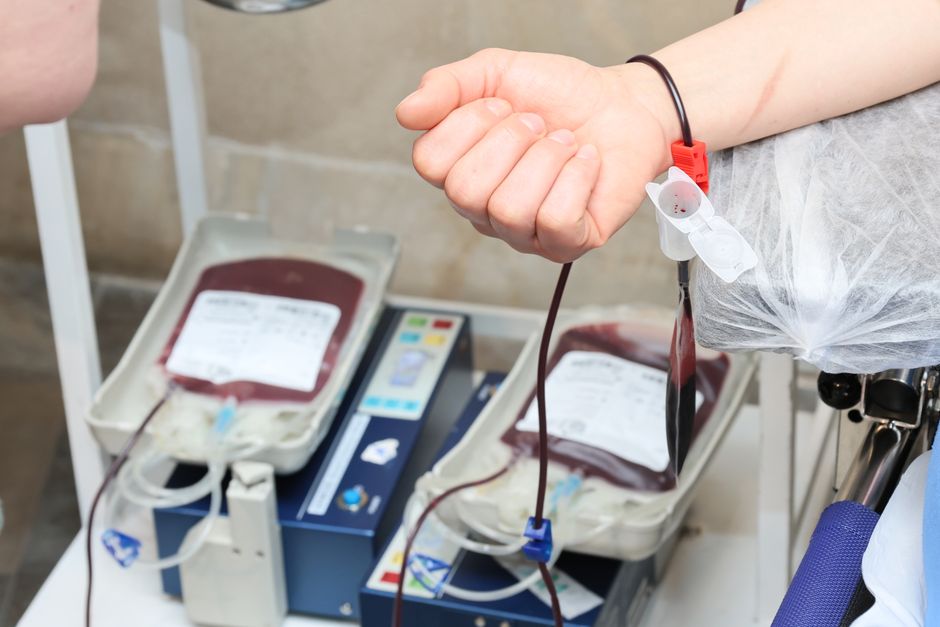
Blood plasma is the pale yellow liquid that makes up about 55% of your total blood volume. It is roughly 92% water, with the remaining 8% carrying hundreds of dissolved substances — proteins, electrolytes, nutrients, hormones, and waste products. Plasma is the transport system your body uses to move almost everything that needs to travel through the bloodstream.
When you look at a tube of blood after it has been spun in a centrifuge, the heavier cells settle to the bottom. The liquid left on top is plasma. It looks simple, but it is one of the most chemically complex fluids in the body.
What Is Blood Plasma Made Of Components Explained?
Plasma is water plus a carefully controlled mixture of proteins, salts, nutrients, hormones, gases, and waste. Each component has a specific job, and the balance between them is what keeps blood pressure, clotting, immunity, and pH within safe ranges.
Here is how the main components break down by approximate proportion of total plasma volume:
| Component | Approximate Share of Plasma | Main Role |
|---|---|---|
| Water | About 92% | Solvent; carries everything else |
| Plasma proteins | About 7% | Clotting, transport, immunity, pressure |
| Electrolytes and small molecules | About 1% | Nerve function, pH balance, fluid control |
Those figures are well established in physiology textbooks. The “1%” category sounds small, but it includes substances your body monitors and adjusts constantly — sometimes minute by minute.
What Are the Main Proteins in Blood Plasma?
Plasma proteins are the workhorses of the liquid portion of blood. Three groups account for most of them: albumin, globulins, and fibrinogen.
Albumin is the most abundant plasma protein. It is made in the liver and does two big jobs. First, it holds water inside your blood vessels by exerting what is called oncotic pressure — a pull that keeps fluid from leaking out into surrounding tissues. When albumin levels fall, fluid can shift into tissues and cause swelling. Second, albumin carries many substances through the blood, including certain hormones, fatty acids, and drugs. This is why some medications bind to albumin and why liver or kidney disease can change how drugs behave in the body.
Globulins are a large, mixed group. Some are antibodies — the immunoglobulins your immune system makes to fight infections. Others are transport proteins that carry lipids, hormones, and metals like iron and copper through the blood.
Fibrinogen is the raw material for blood clotting. When a vessel is injured, fibrinogen is converted into fibrin, a mesh that forms the structural scaffold of a clot. Without enough fibrinogen, bleeding risk rises.
Beyond these three, plasma contains dozens of other proteins in smaller amounts — enzymes, clotting factors, and hormone-binding proteins among them. Routine lab tests often report total protein and albumin, and sometimes specific fractions, because abnormal levels can point to liver, kidney, nutritional, or immune problems.
What Do Electrolytes and Small Molecules Do in Plasma?
Electrolytes are minerals that carry an electrical charge when dissolved in body fluids. The main ones in plasma are sodium, potassium, chloride, bicarbonate, calcium, and magnesium. Their concentrations are tightly regulated because small shifts can affect nerve signaling, muscle contraction, and heart rhythm.
Sodium is the dominant electrolyte outside your cells and is central to fluid balance and blood pressure. Potassium sits mostly inside cells, but the small amount in plasma matters enormously for heart function. Bicarbonate helps hold blood pH in a narrow range around 7.35 to 7.45 — a range your body defends closely because even modest deviations can be dangerous.
Plasma also carries nutrients and small molecules absorbed from food or released by organs:
- Glucose, the body’s main fuel sugar
- Amino acids from digested protein
- Lipids, packaged into lipoproteins for transport
- Vitamins and minerals in transit to tissues
- Hormones traveling from glands to target organs
- Waste products like urea and creatinine headed for the kidneys
One clarification worth making: plasma is not the same as serum. Serum is what remains after blood has clotted and the clotting proteins have been consumed. Plasma is collected with an anticoagulant so it stays unclotted. Labs use both, depending on what they are measuring.


How Does Plasma Carry Oxygen and Carbon Dioxide?
Plasma itself carries only a small fraction of the oxygen in your blood. Most oxygen rides on hemoglobin inside red blood cells. But plasma does dissolve some oxygen directly, and that dissolved portion matters for how gases move between lungs, blood, and tissues.
Carbon dioxide is a different story. A meaningful share of the carbon dioxide your tissues produce travels in plasma as bicarbonate, produced through a reaction helped by an enzyme called carbonic anhydrase. This is a core part of acid-base balance, and it is why bicarbonate appears on standard blood chemistry panels.
The plasma also carries dissolved nitrogen and other gases, though these are usually not clinically significant in normal conditions.
What Else Is Dissolved in Blood Plasma?
Plasma contains trace amounts of many other substances, and their presence is normal rather than a sign of trouble. These include enzymes, signaling molecules, and metabolic byproducts at very low concentrations.
Plasma also carries cells’ chemical messengers and immune signaling proteins called cytokines. Some of these are measured in research and in certain clinical settings, but routine plasma tests do not check most of them.
Plasma is also where many drugs circulate once absorbed. Drug levels in plasma are what clinicians measure for therapeutic drug monitoring — for example, with certain antibiotics or seizure medications. The plasma concentration, not the total amount in the body, is what usually correlates with effect and toxicity.
How Is Plasma Different From Whole Blood?
Whole blood is plasma plus cells. The cells — red blood cells, white blood cells, and platelets — make up roughly 45% of whole blood volume in a typical adult, though this percentage varies with age, sex, altitude, and health status.
Plasma is what remains when those cells are removed. Because plasma is mostly water, it is the part of blood that carries dissolved substances. The cells do the oxygen transport, immune defense, and clot-forming work.
This distinction matters in medicine. Plasma transfusions are used to replace clotting factors in certain bleeding emergencies and specific conditions. Red cell transfusions are used to restore oxygen-carrying capacity. They are not interchangeable, and clinicians choose based on what is actually deficient.
What Can Plasma Composition Tell You About Health?
Plasma composition is one of the most informative windows into what is happening inside the body. A standard metabolic panel measures electrolytes, glucose, kidney markers, and liver enzymes — all from plasma or serum.
Abnormal plasma values can reflect problems in many systems. Low albumin may point to liver disease, kidney disease, or poor nutrition. High potassium can signal kidney dysfunction or certain medication effects. Abnormal sodium can reflect dehydration, fluid overload, or hormone problems. Elevated glucose can indicate diabetes or stress.
Plasma composition is not a diagnosis on its own. It is a set of signals that clinicians interpret alongside symptoms, history, and other tests. A single abnormal value is often not meaningful without context.
Plasma also changes with hydration. Mild dehydration concentrates plasma proteins and electrolytes, which can shift lab results. This is one reason clinicians sometimes ask about recent fluid intake before interpreting certain values.
Frequently Asked Questions
What percentage of blood plasma is water?
Plasma is about 92% water by volume. The remaining 8% is mostly proteins, electrolytes, nutrients, hormones, and waste products.
What is the difference between plasma and serum?
Plasma is the liquid part of blood collected with an anticoagulant so it stays unclotted. Serum is the liquid left after blood has clotted, so it lacks clotting proteins like fibrinogen.
What is the most abundant protein in blood plasma?
Albumin is the most abundant plasma protein. It helps hold fluid inside blood vessels and carries many hormones, fatty acids, and drugs through the bloodstream.
Can you live without blood plasma?
No. Plasma is essential for carrying nutrients, hormones, and waste, and for maintaining blood pressure and clotting. The body constantly replaces plasma components, and plasma volume is restored within hours to days after donation in healthy adults.
