

Baseline blood pressure is your typical resting blood pressure level when you are calm, seated, and not under stress. It is not a single reading from one doctor visit but the average of multiple measurements taken under consistent conditions over several days or weeks. To measure it accurately, a healthcare provider uses a blood pressure cuff (sphygmomanometer) after you have rested quietly for at least five minutes, with your arm supported at heart level. A normal baseline is below 120/80 mm Hg, but the key is consistency across readings rather than any single number.
What Is Baseline Blood Pressure And How Is It Measured?
Your baseline blood pressure reflects the pressure inside your arteries during your most relaxed, awake state. It filters out temporary spikes caused by anxiety, activity, or caffeine. Doctors rely on baseline readings because they better predict long-term cardiovascular risk than a single “casual” reading taken during a rushed appointment.
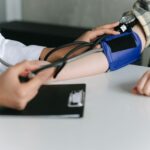
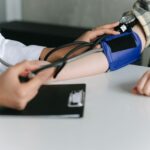
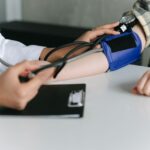
Measurement requires controlled conditions. You sit in a quiet room with your feet flat on the floor, back supported, and arm resting on a table at heart level. The cuff should fit snugly around your bare upper arm. At least two readings are taken one minute apart, and if the first two differ by more than 5 mm Hg, additional readings are needed. The average of those readings gives the visit’s number. For a true baseline, this process repeats across multiple visits or with an ambulatory blood pressure monitor that takes readings every 15–30 minutes over 24 hours while you go about your normal day.
Why Is Baseline Blood Pressure Important?
Baseline blood pressure is the foundation for diagnosing hypertension and guiding treatment. A single high reading in a clinic may be a false alarm — a phenomenon known as white-coat hypertension. A baseline eliminates that distortion. Research consistently shows that baseline blood pressure correlates more strongly with future heart attack, stroke, and kidney disease than occasional office readings do.
Once your baseline is established, it serves as a reference point. If treatment starts, follow-up measurements are compared to your original baseline to judge effectiveness. Without an accurate baseline, doctors cannot know whether your blood pressure is truly controlled or whether changes in medication are working.
What Factors Can Affect Baseline Blood Pressure?
Several factors can raise or lower your readings even when you think you are at rest.
- Caffeine and nicotine can raise blood pressure for 30 minutes to an hour after use.
- Stress or pain — even mild discomfort from a full bladder or a cold exam room — can push numbers upward.
- Time of day matters; blood pressure naturally dips during sleep and rises soon after waking.
- White-coat effect causes some people to have higher readings in medical settings than they have at home.
- Cuff size is critical. A cuff that is too small will give falsely high readings; one that is too large will read low.
These factors are why a single measurement is unreliable for establishing baseline. The only way to account for them is to take multiple readings under the same conditions over time.

How Do You Get an Accurate Baseline Reading?
Getting an accurate baseline requires preparation and consistency, whether you are in a clinic or measuring at home.
- Avoid caffeine, smoking, and exercise for at least 30 minutes before measurement.
- Go to the bathroom first. A full bladder can add 10–15 mm Hg to systolic pressure.
- Sit quietly for five minutes without talking or looking at your phone.
- Use a validated, properly sized cuff on your bare arm. Do not use a wrist or finger monitor — these are less accurate.
- Take two or three readings one minute apart. Record all of them along with the date and time.
- If checking at home, take readings at the same times each day — usually morning (before medication and breakfast) and evening (before dinner) — and average results over seven days.
Home monitoring helps establish baseline because it removes the white-coat effect. However, home monitors vary in accuracy. The American Heart Association recommends using a monitor that has passed validation testing (often listed on the device package or in online registries).
What Is the Difference Between Baseline and Casual Blood Pressure?
Casual blood pressure is any single reading taken without much preparation — for example, after you walk into a pharmacy and sit for only a minute. It reflects what your pressure happens to be at that moment, which can be influenced by recent activity, stress, or even conversation. Baseline blood pressure is the average of readings taken under controlled, resting conditions. In clinical practice, casual readings are useful for screening, but baseline readings are used for diagnosis and management.
For example, a person might have a casual reading of 150/90 mm Hg at a health fair but then consistently measure 128/82 mm Hg at home over a week. That home baseline indicates the person does not have persistent hypertension and likely just had a temporary spike. Conversely, if casual readings are normal but home monitoring shows consistent 135/85 mm Hg, masked hypertension may be at play — a condition that carries real cardiovascular risk.
When Should You Recheck Your Baseline Blood Pressure?
If your baseline is normal — below 120/80 mm Hg — and you have no health conditions that raise risk, checking every one to two years is reasonable. If your baseline is elevated (120–129 / less than 80) or you have diabetes, kidney disease, or a family history of hypertension, checks every six to twelve months are wise. Once you start medication for high blood pressure, doctors typically ask you to track readings at home for a week before each follow-up visit to confirm your baseline is staying within the target range.
Keep in mind that baseline blood pressure can shift over time. Aging, weight gain, diet changes, and new medications can all alter it. An accurate baseline from two years ago may no longer reflect your current health. Repeating the measurement process regularly is the only way to keep your baseline current.
Frequently Asked Questions
What is a normal baseline blood pressure?
Normal baseline blood pressure is less than 120/80 mm Hg based on the average of multiple resting readings taken on different days.
How many readings are needed to establish a baseline?
Clinicians typically use the average of at least two readings per visit over two or three visits, or a week of twice-daily home measurements.
Can baseline blood pressure change over time?
Yes, baseline can rise with age, weight gain, or a diet high in sodium, and it can fall with weight loss, exercise, or certain medications.
What is white coat hypertension?
White coat hypertension is when blood pressure is consistently high in a medical setting but normal when measured at home, often due to anxiety.
