
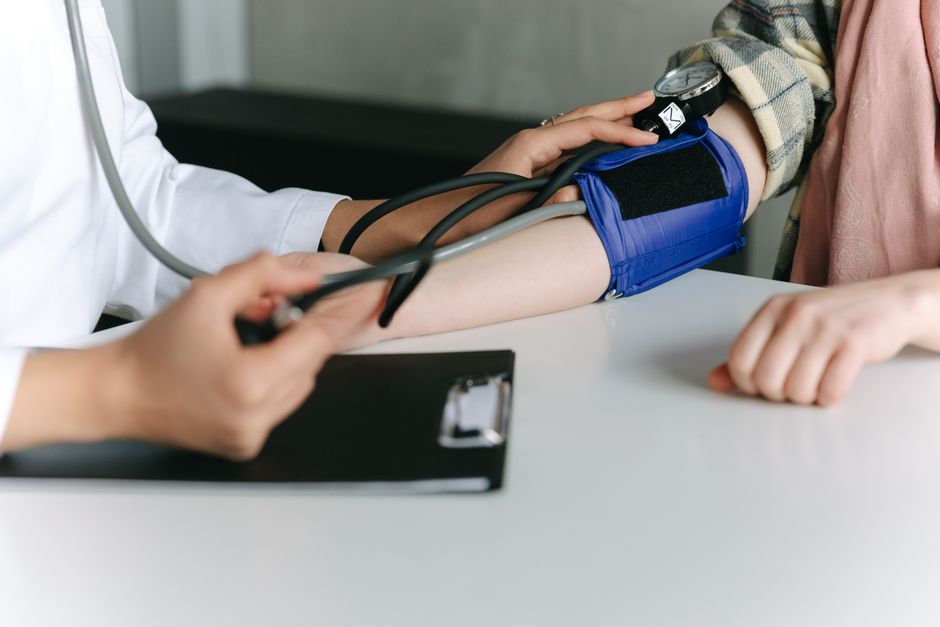
Most teenagers with low blood pressure do not need treatment at all. When readings are low but the teen feels fine, the standard approach is fluids, salt at meals, slow position changes, and regular monitoring. Medical treatment is reserved for teens who have symptoms, are taking a medication that lowers blood pressure, or have an underlying condition. The first step is almost always finding out why the pressure is low.
What Counts as Low Blood Pressure in a Teenager?
There is no single cutoff that defines low blood pressure in teenagers, and that surprises many parents. Blood pressure in adolescents is judged against age, height, and sex rather than one fixed number. A reading that would be low in a 45-year-old adult can be entirely normal in a growing 14-year-old.
For adults, the American Heart Association generally considers blood pressure below 90/60 mm Hg to be low. That adult threshold is often used as a rough reference for teens, but it is not a diagnostic rule for adolescents. Pediatric clinicians compare a teen’s reading to percentile charts that account for age, height, and sex, because normal blood pressure rises steadily through childhood and adolescence.
What matters more than the number is the pattern. A single low reading in a teen who feels well is usually not a concern. Consistently low readings combined with dizziness, fainting, fatigue, or blurry vision are what prompt a closer look.
When Does Low Blood Pressure Need Treatment?
Treatment depends entirely on whether the teen has symptoms and what is causing the low reading. Asymptomatic low blood pressure in a healthy teenager is generally not treated. It is often just a normal variant, especially in teens who are tall, lean, or athletic.
Symptoms that suggest the low pressure is actually causing problems include:
- Dizziness or lightheadedness, especially when standing up
- Fainting or near-fainting
- Blurred or dimming vision
- Fatigue that is unusual for the teen
- Nausea, clammy skin, or confusion
If any of these appear, the priority shifts from treating the number to finding the cause. Low blood pressure is often a sign of something else rather than a condition on its own.
What Causes Low Blood Pressure in Teens?
The most common cause in teenagers is dehydration. Teens lose fluid through sports, heat, and everyday activity, and many simply do not drink enough. When blood volume drops, pressure drops with it.
Other common causes include:
- Dehydration from illness, vomiting, diarrhea, or not drinking enough
- Puberty and rapid growth, which can temporarily affect circulation
- Medications such as some antidepressants, ADHD stimulants, acne treatments, or blood pressure drugs
- Prolonged standing, which can cause blood to pool in the legs
- Eating large meals, which can lower pressure afterward in some people
- Anemia or low blood sugar
- Heart, hormone, or nervous system conditions, which are less common but serious
One pattern worth knowing about is called postural orthostatic tachycardia syndrome, or POTS. In POTS, standing up triggers a rapid heart rate and symptoms like dizziness and fatigue. It is diagnosed more often in teens and young adults, and it is frequently missed because the blood pressure itself may look normal. POTS is a distinct condition, not simply low blood pressure, and it needs its own evaluation.

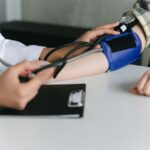
How To Treat Low Blood Pressure In A Teenager at Home
For a teen who feels well or has only mild symptoms, home measures are usually the first and often the only step needed. These approaches are widely recommended by clinicians, though the strength of formal trial evidence in teenagers specifically is limited.
Fluids
Drinking enough water is the single most effective everyday step for most teens with low pressure. A reasonable general target for adolescents is roughly 8 to 10 cups of fluid a day, though needs rise with heat, exercise, and illness. Plain water is best. Sports drinks can help after heavy sweating because they replace sodium and fluid together.
Sodium
Salt helps the body hold onto fluid, which supports blood volume and pressure. Many clinicians suggest teens with symptomatic low blood pressure add salt to meals rather than take salt tablets, which can cause stomach upset. This is a case where the general advice is common in practice but not backed by large teen-specific trials. Teens with heart or kidney conditions should not increase salt without a doctor’s guidance.
Slow Position Changes
Standing up quickly is a common trigger for dizziness. Teaching a teen to sit up first, pause, then stand slowly can reduce symptoms. Flexing the legs and ankles before standing also helps push blood back toward the heart.
Compression and Movement
Compression stockings can help when blood pools in the legs during long periods of standing. Regular movement, rather than standing still, keeps circulation going. Some teens benefit from counter-maneuvers like crossing the legs or clenching the fists when they feel faint coming on.
Meal Timing
Large, heavy meals can drop blood pressure afterward in some people. Eating smaller meals more often may help teens who feel lightheaded after eating.
What About Caffeine, Salt Tablets, and Supplements?
Caffeine raises blood pressure briefly, and some teens and adults with low pressure use it for that effect. The evidence for using caffeine as a treatment is weak, and it can worsen symptoms in some people by acting as a diuretic or by triggering a fast heart rate. It is not a reliable treatment.
Salt tablets deliver a large sodium dose at once and commonly cause nausea. Most clinicians prefer dietary salt instead. Supplements marketed for blood pressure have little to no evidence supporting their use in teenagers, and some can interact with medications. No clinical guidelines currently support routine supplement use for low blood pressure in this age group.
When Should a Teen See a Doctor?
Medical evaluation is warranted when low blood pressure comes with symptoms, when fainting occurs, or when the teen is taking a medication that could be responsible. A doctor can check for dehydration, anemia, heart rhythm issues, and hormonal causes that are not visible from the outside.
Seek urgent care if a teen faints and does not wake up quickly, has chest pain, trouble breathing, a very fast or irregular heartbeat, confusion, or a severe headache. These are not typical low blood pressure symptoms and may point to a more serious problem.
For ongoing symptoms, a clinician may recommend a tilt-table test, blood tests, or heart monitoring. Treatment, when needed, might include adjusting a medication, treating an underlying condition, or in some cases prescribing medication to raise blood pressure. Prescription treatment for low blood pressure in teens is uncommon and generally reserved for specific diagnosed conditions.
What Does Recovery and Monitoring Look Like?
For most teens, low blood pressure is not something that needs to be “cured.” It is managed. Symptoms often improve within days to weeks once fluid intake, salt, and position changes are addressed, though there is no fixed timeline that applies to everyone.
Keeping a simple log of symptoms, fluid intake, and any dizzy spells can help a doctor spot patterns. Teens who play sports, live in hot climates, or take medications that affect blood pressure may need closer monitoring. The goal is not to hit a specific number on the cuff. It is to keep the teen feeling well and functioning normally.
Frequently Asked Questions
Is low blood pressure in a teenager dangerous?
For most healthy teens, low blood pressure without symptoms is not dangerous and needs no treatment. It becomes a concern when it causes fainting, dizziness, or other symptoms, or when it signals an underlying condition.
What should a teenager eat to raise low blood pressure?
There is no specific food that reliably raises blood pressure, but drinking enough fluids and adding salt to meals can help support blood volume. Teens with heart or kidney conditions should not increase salt without medical guidance.
Can dehydration cause low blood pressure in teens?
Yes, dehydration is one of the most common causes because it reduces blood volume and lowers pressure. Replacing fluids, and sodium when sweating heavily, usually corrects it.
When should a teen with low blood pressure see a doctor?
A doctor visit is warranted if low blood pressure comes with fainting, dizziness, chest pain, or unusual fatigue. A clinician can check for causes like anemia, medication effects, or heart and hormone conditions.
