

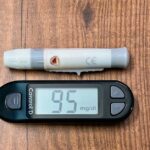
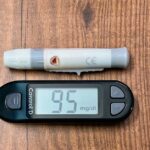
A blood sugar reading of 80 mg/dL is a normal, healthy fasting glucose level. It sits comfortably within the standard normal range for fasting blood sugar, which is generally 70 to 99 mg/dL. For most people, a reading of 80 means your body is managing glucose effectively, and there is no cause for concern.
What Do Blood Sugar Numbers Actually Mean?
Blood sugar, or glucose, is the main sugar found in your blood. It comes from the food you eat and serves as your body’s primary source of energy. When you eat, your body breaks down carbohydrates into glucose. That glucose enters your bloodstream, and the hormone insulin helps move it into your cells for energy.
Your body works hard to keep blood sugar within a narrow range. If it dips too low, your cells don’t get the energy they need. If it climbs too high, it can damage blood vessels and nerves over time. The number 80 mg/dL represents milligrams of glucose per deciliter of blood. It is a standard measurement used in the United States.
Is 80 Blood Sugar Low Or Within Normal Range?
80 mg/dL is within the normal range for fasting blood sugar. The established normal range for fasting plasma glucose is 70 to 99 mg/dL. A reading of 80 falls right in the middle of that range. It indicates that after an overnight fast, your body has maintained a healthy balance of glucose.
This number is not considered low blood sugar. Hypoglycemia, or clinically low blood sugar, is generally defined as a reading below 70 mg/dL. While symptoms of low blood sugar can sometimes begin around that threshold, a reading of 80 is well above it. You would not expect to experience symptoms of hypoglycemia at this level.
It is also not considered prediabetes or diabetes. Prediabetes is typically diagnosed with a fasting glucose between 100 and 125 mg/dL. Diabetes is diagnosed at 126 mg/dL or higher on two separate tests. At 80, you are far from both thresholds.
How Is Blood Sugar Measured?
There are several ways to measure blood sugar. The most common is a fasting plasma glucose test. This requires you to fast for at least 8 hours before a blood draw. It gives a snapshot of your baseline glucose level without the influence of recent food.
An A1C test is another standard method. It measures your average blood sugar over the past 2 to 3 months. This test does not require fasting. A normal A1C level is below 5.7 percent. The A1C test is often used to diagnose prediabetes and diabetes because it provides a longer-term picture.
Random blood sugar tests can be taken at any time of day. A normal random glucose reading is typically below 140 mg/dL. Home glucose monitors are also widely available for people who need to track their levels regularly, such as those with diabetes.



What Happens When Blood Sugar Drops Too Low?
Low blood sugar, or hypoglycemia, occurs when glucose falls below 70 mg/dL. This is a different situation entirely from a reading of 80. When blood sugar drops too low, the body lacks the fuel it needs to function properly, especially the brain.
Early symptoms of hypoglycemia include shakiness, sweating, hunger, and a rapid heartbeat. As levels drop further, you might experience confusion, dizziness, blurred vision, or difficulty concentrating. Severe hypoglycemia can lead to seizures or loss of consciousness and requires immediate medical attention.
Hypoglycemia is most common in people taking insulin or certain diabetes medications. It is less common in people without diabetes. If you do not have diabetes and experience frequent episodes of low blood sugar, it is worth discussing with a doctor to identify the underlying cause.
What Causes Blood Sugar To Be Too High?
High blood sugar, or hyperglycemia, is the opposite problem. It occurs when glucose builds up in the bloodstream faster than the body can use it. This usually happens because the body does not produce enough insulin or cannot use insulin effectively.
Insulin resistance is a key factor. Over time, cells can become less responsive to insulin. The pancreas has to work harder to produce more insulin to compensate. Eventually, the pancreas may not keep up, and blood sugar levels rise.
Several factors can raise blood sugar. Eating a diet high in refined carbohydrates and sugar is a major contributor. Lack of physical activity also plays a role because exercise helps muscles use glucose more efficiently. Chronic stress and certain medications can also affect glucose levels.
How To Maintain Healthy Blood Sugar Levels
Maintaining a fasting reading around 80 is a sign your current habits are working. Keeping blood sugar in the normal range involves consistent, sustainable choices rather than extreme measures.
Diet is the most direct influence. Focus on whole foods like vegetables, fruits, whole grains, lean proteins, and healthy fats. These foods digest more slowly and produce a steadier rise in blood sugar. Limiting sugary drinks and highly processed snacks helps prevent sharp spikes.
Regular physical activity is equally important. Exercise makes your muscles more sensitive to insulin. That means your body needs less insulin to move glucose into cells. Both aerobic exercise, like walking or cycling, and resistance training, like lifting weights, are beneficial.
Sleep and stress management matter more than most people realize. Poor sleep can increase insulin resistance. Chronic stress raises cortisol, a hormone that can elevate blood sugar. Prioritizing rest and finding ways to manage stress supports healthy glucose regulation.
When Should You See A Doctor?
A single reading of 80 mg/dL is not a reason to see a doctor. It is a normal, healthy result. However, routine screening for blood sugar is still important, especially as you age.
If you have risk factors for diabetes, regular testing becomes more important. These risk factors include being overweight, having a family history of diabetes, being physically inactive, or having a history of gestational diabetes. People over 45 are also advised to get tested regularly.
You should also talk to a doctor if you experience symptoms that concern you. Frequent thirst, unexplained weight loss, blurred vision, or extreme fatigue can be signs of high blood sugar. Frequent episodes of shakiness, sweating, or confusion could indicate low blood sugar. These symptoms warrant a medical evaluation even if your last reading was normal.
Frequently Asked Questions
Is 80 mg/dL blood sugar too low?
No, 80 mg/dL is not too low. It is a normal fasting blood sugar level, well above the hypoglycemia threshold of 70 mg/dL.
What is a dangerous low blood sugar level?
Blood sugar below 70 mg/dL is generally considered low, and levels below 54 mg/dL are considered severely low and require immediate treatment.
What is the normal blood sugar range for adults?
For fasting blood sugar, the normal range is 70 to 99 mg/dL. A reading of 80 falls comfortably within this range.
Can blood sugar of 80 cause symptoms?
In most people, a blood sugar of 80 causes no symptoms. Some people may feel mild symptoms if their body is used to much higher levels, but this is not common.
