
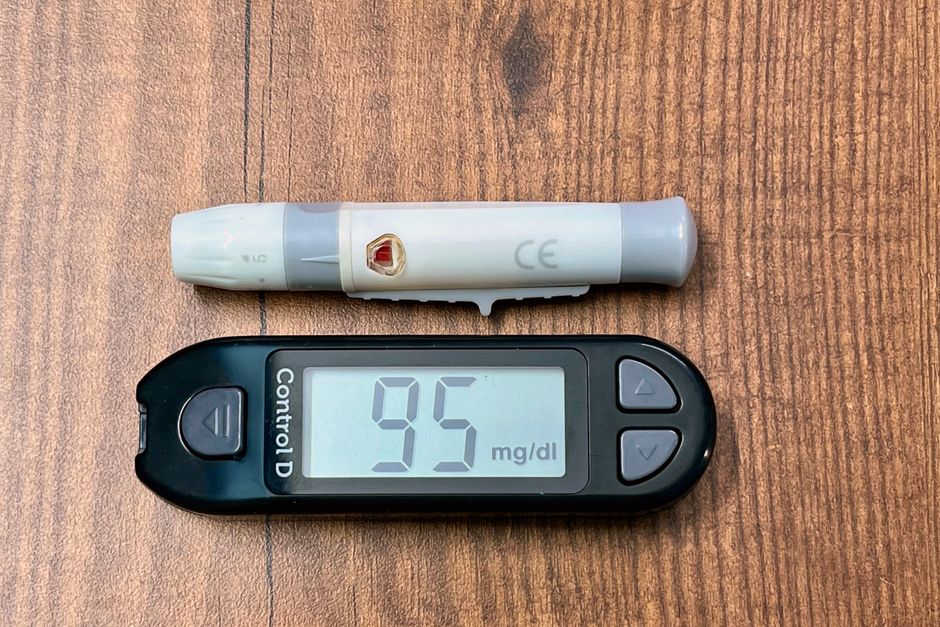
Blood sugar, or blood glucose, is the main sugar found in your blood. It comes from the food you eat and is your body’s main source of energy. For most healthy adults, a normal fasting blood sugar level is between 70 and 99 mg/dL. After eating, blood sugar typically rises but should stay below 140 mg/dL after two hours. These numbers are the standard reference ranges used by medical professionals to diagnose and monitor conditions like prediabetes and diabetes.
What Is A Normal Blood Sugar Number And Range
The most common way to measure blood sugar is with a fasting plasma glucose test. You do not eat or drink anything except water for at least 8 hours before this test. A normal fasting blood sugar range is 70 to 99 mg/dL.
Another standard test is the A1C test. This measures your average blood sugar over the past 2 to 3 months. A normal A1C level is below 5.7 percent. This test does not require fasting.
Doctors also use an oral glucose tolerance test. You drink a sugary liquid and your blood sugar is checked after 2 hours. A normal result is below 140 mg/dL.
How Blood Sugar Levels Change After Eating
Your blood sugar naturally rises after you eat. The amount it rises depends on what you ate, how much you ate, and how your body handles sugar.
For people without diabetes, blood sugar usually peaks about 1 hour after a meal. It then begins to drop as insulin moves sugar into cells for energy. By 2 hours after eating, blood sugar should return to near-normal levels.
A normal blood sugar reading 2 hours after a meal is below 140 mg/dL. Readings between 140 and 199 mg/dL indicate prediabetes. A reading of 200 mg/dL or higher suggests diabetes. Your doctor will repeat the test to confirm a diagnosis.
What Do High Blood Sugar Numbers Mean
High blood sugar is called hyperglycemia. It happens when your body does not produce enough insulin or cannot use insulin properly. Insulin is the hormone that allows sugar to enter your cells.
A fasting blood sugar of 126 mg/dL or higher on two separate tests indicates diabetes. A fasting level between 100 and 125 mg/dL is considered prediabetes. Prediabetes means your blood sugar is higher than normal but not high enough to be diabetes.
Untreated high blood sugar can damage blood vessels and nerves over time. This increases the risk of heart disease, kidney disease, vision problems, and slow-healing wounds. Managing blood sugar early can prevent or delay these complications.


What Do Low Blood Sugar Numbers Mean
Low blood sugar is called hypoglycemia. For most people, symptoms of low blood sugar begin when levels drop below 70 mg/dL. Symptoms include shakiness, sweating, confusion, and dizziness.
Hypoglycemia is most common in people taking insulin or certain diabetes medications. It can also occur in people without diabetes, though this is less common. Skipping meals, drinking alcohol without food, or intense exercise can trigger low blood sugar.
Severe low blood sugar is a medical emergency. If someone cannot swallow or is unconscious, call emergency services immediately. Never give food or drink to an unconscious person.
Who Should Check Their Blood Sugar
Your doctor may recommend blood sugar testing if you have risk factors for diabetes. Risk factors include being overweight, having a family history of diabetes, being over 45 years old, or having high blood pressure.
Women who develop gestational diabetes during pregnancy need regular blood sugar monitoring. Gestational diabetes usually resolves after delivery but increases the risk of type 2 diabetes later in life.
People already diagnosed with diabetes check their blood sugar regularly. The frequency depends on the type of diabetes and the treatment plan. Your doctor will tell you how often to test and what your target range should be.
How to Keep Blood Sugar in a Normal Range
Diet plays a major role in blood sugar control. Foods high in refined carbohydrates — such as white bread, sugary drinks, and pastries — cause rapid spikes. Whole grains, vegetables, lean proteins, and healthy fats help keep blood sugar steadier.
Regular physical activity helps your body use insulin more efficiently. The American Diabetes Association recommends at least 150 minutes of moderate-intensity exercise per week. This can be brisk walking, cycling, or swimming.
Weight loss of 5 to 7 percent of body weight can reduce the risk of progressing from prediabetes to diabetes. This is a well-established finding from major clinical trials. Even modest weight loss improves blood sugar control.
Stress management matters too. Stress hormones like cortisol raise blood sugar. Sleep deprivation also affects insulin sensitivity. Prioritizing sleep and managing stress are practical steps for blood sugar health.
Blood Sugar Targets for People With Diabetes
Normal ranges differ for people with diabetes. Target ranges are individualized based on age, health status, and other factors. Your doctor sets your personal targets.
General targets for many adults with diabetes are:
- Before meals: 80 to 130 mg/dL
- 1 to 2 hours after a meal: below 180 mg/dL
- A1C: below 7 percent
These are general guidelines, not strict rules. Older adults or people with other health conditions may have different targets. Your healthcare team will adjust targets based on your specific situation.
When to See a Doctor About Blood Sugar
See a doctor if you have symptoms of high blood sugar. These include increased thirst, frequent urination, blurred vision, and unexplained fatigue. Symptoms of low blood sugar include shakiness, sweating, and confusion.
Routine screening is recommended starting at age 45 for most adults. If you have risk factors, screening may start earlier. Early detection of prediabetes allows for lifestyle changes that can reverse the condition.
If you have been diagnosed with prediabetes, ask your doctor about a follow-up testing schedule. Most guidelines recommend testing every 1 to 2 years. Lifestyle changes can significantly reduce the risk of developing type 2 diabetes.
Blood Sugar Testing Methods
Home glucose monitors measure blood sugar from a small drop of blood. You prick your finger, place blood on a test strip, and the meter displays a reading within seconds. These meters are accurate when used correctly.
Continuous glucose monitors (CGMs) use a small sensor inserted under the skin. They measure glucose in the fluid between cells every few minutes. CGMs provide a more complete picture of blood sugar patterns throughout the day.
Lab tests are the gold standard for diagnosis. Home monitors are useful for daily management but should not be used alone for diagnosis. If your home readings seem unusual, confirm them with a lab test.
Frequently Asked Questions
What is a normal blood sugar level in the morning?
A normal fasting blood sugar level in the morning is between 70 and 99 mg/dL. Levels above 100 mg/dL may indicate prediabetes or diabetes and should be discussed with a doctor.
Is 110 blood sugar normal after eating?
Yes, 110 mg/dL after eating is within the normal range. Blood sugar after meals should stay below 140 mg/dL for people without diabetes.
What blood sugar level is dangerous?
Blood sugar below 70 mg/dL or above 250 mg/dL can be dangerous. Levels above 300 mg/dL require immediate medical attention.
How can I lower my blood sugar quickly?
Drinking water and going for a short walk can help lower blood sugar. If you take diabetes medication, follow your doctor’s instructions for managing high readings.
