
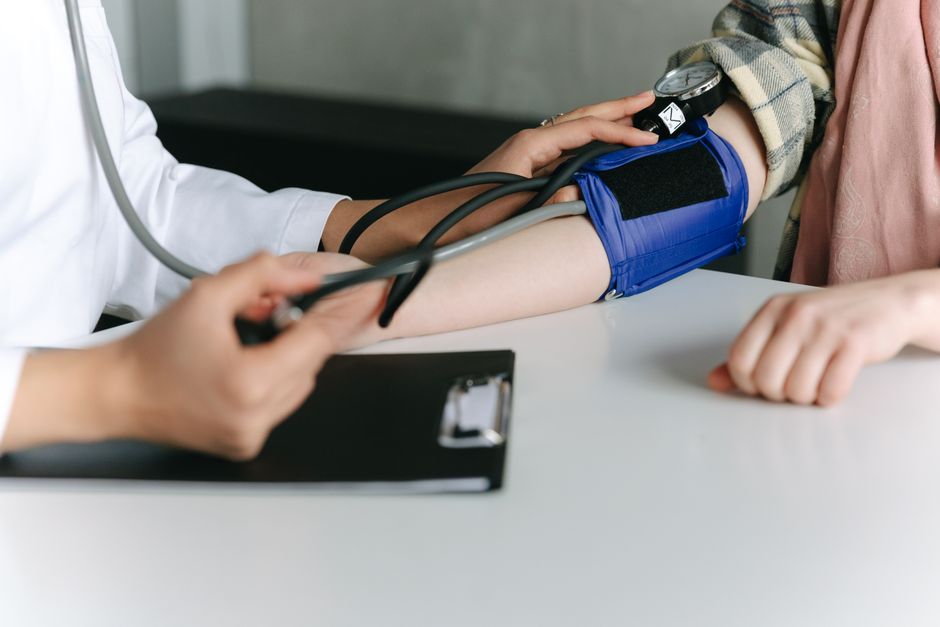
A blood pressure reading of 110/73 is generally considered healthy. It falls within the normal range for adults and is not a cause for concern for most people. The top number (110) is called systolic pressure, and the bottom number (73) is diastolic pressure. Both values sit comfortably inside what medical guidelines define as normal.
Is 110 73 A Good Blood Pressure Normal Range Explained
Yes. A reading of 110/73 mmHg is normal and generally indicates good cardiovascular health in adults. Current guidelines from major heart organizations classify normal blood pressure as below 120/80 mmHg. Your reading sits well within that range.
Blood pressure is measured in millimeters of mercury, written as mmHg. The systolic number measures the force of blood against artery walls when the heart beats. The diastolic number measures that force between beats, when the heart rests.
A reading of 110/73 means your heart is pumping effectively without excessive resistance in your arteries. For most adults, this is exactly where you want to be.
What Do the Numbers 110 and 73 Actually Mean?
The systolic reading of 110 tells you how much pressure your blood puts on your artery walls during a heartbeat. The diastolic reading of 73 tells you the pressure between beats.
Both numbers matter, but they serve different purposes. Systolic pressure reflects how forcefully your heart pumps and how stiff your larger arteries are. Diastolic pressure reflects the resistance in your smaller arteries and how well they relax between beats.
For adults, here is how the standard categories break down:
- Normal: Below 120/80 mmHg
- Elevated: Systolic 120-129 and diastolic below 80
- Stage 1 hypertension: Systolic 130-139 or diastolic 80-89
- Stage 2 hypertension: Systolic 140 or higher or diastolic 90 or higher
- Hypertensive crisis: Systolic above 180 and/or diastolic above 120
At 110/73, you are in the normal category on both numbers. Neither value is close to the elevated threshold.
One clarification worth making: a single normal reading does not guarantee that your blood pressure is always normal. Blood pressure fluctuates throughout the day based on activity, stress, sleep, hydration, and many other factors. A reading of 110/73 on one occasion is a good sign, but patterns over time matter more than any single measurement.
Is 110/73 Too Low for Some People?
For most adults, 110/73 is not too low. But “normal” is not the same for everyone. What feels fine for one person may cause symptoms in another.
Low blood pressure, called hypotension, is generally defined as below 90/60 mmHg. By that standard, 110/73 is not low. However, some people can experience symptoms of low blood pressure even at readings above 90/60 if their body is used to running higher.
Symptoms that might suggest your blood pressure is too low for you include:
- Dizziness or lightheadedness when standing up
- Fainting
- Blurred vision
- Fatigue
- Difficulty concentrating
- Nausea
If you have a reading of 110/73 and feel fine, there is no reason for concern. If you have that reading and consistently feel dizzy, weak, or faint, that is worth discussing with a doctor. The number alone does not tell the whole story. How you feel matters too.
Certain groups may run lower naturally. Athletes and very fit individuals often have lower resting blood pressures because their hearts pump more efficiently. Young, small-framed people also tend to have lower readings. For them, 110/73 might be perfectly typical.
What Factors Affect a Reading Like 110/73?
Many things influence blood pressure from moment to moment. Understanding these factors helps you interpret your numbers accurately.
Age plays a significant role. Blood pressure tends to rise gradually with age as arteries stiffen. A reading of 110/73 is more common in younger adults, though plenty of older adults maintain similar numbers.
Time of day matters. Blood pressure typically follows a daily pattern. It tends to be lowest during sleep and rises in the morning. It often peaks in the afternoon or early evening.
Stress and emotion can raise blood pressure temporarily. Anxiety, anger, or even the experience of having your blood pressure measured at a doctor’s office can push numbers up. This is sometimes called white coat hypertension.
Physical activity raises blood pressure during exercise and for a short time afterward. Regular exercise, though, tends to lower resting blood pressure over time.
Hydration and diet also matter. Dehydration can lower blood pressure. High sodium intake can raise it over time. Alcohol and caffeine can cause temporary changes in either direction.
Medications can affect readings significantly. Some drugs for depression, anxiety, or heart conditions can lower or raise blood pressure. If you take medication and notice changes in your readings, that is worth mentioning to your doctor.
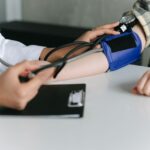
How Should You Measure Blood Pressure at Home?
Getting an accurate reading at home takes a few simple steps. Technique matters more than most people realize.
- Sit quietly for five minutes before measuring
- Keep your back supported and feet flat on the floor
- Rest your arm on a table at heart level
- Use the correct cuff size for your arm
- Do not talk or move during the measurement
- Take two or three readings one minute apart and average them
Measure at the same times each day for consistency. Morning and evening readings are commonly recommended. Keep a log so you and your doctor can see patterns over weeks, not just single readings.
Home monitors can be slightly less accurate than the equipment in a doctor’s office, but they are useful for tracking trends. Bring your monitor to a doctor’s visit occasionally to check it against their equipment. This is a practical step many people skip.
When Does 110/73 Warrant a Doctor’s Visit?
A reading of 110/73 by itself does not require a medical visit. It is normal. But context changes things.
See a doctor if you have a normal reading like 110/73 but also experience:
- Frequent dizziness or fainting
- Chest pain or shortness of breath
- Irregular heartbeat
- Severe headache
- Confusion or vision changes
Also pay attention to trends. If your blood pressure has been consistently around 110/73 and starts climbing over weeks or months, that change is worth investigating even if the new numbers are still technically normal. A rise from 110/73 to 128/82 is still within a range that many doctors would monitor, but the direction of change matters.
If you take blood pressure medication and your readings drop below your usual range, tell your doctor. Medication doses sometimes need adjustment.
Does a Normal Reading Like 110/73 Mean You Can Stop Worrying?
A normal reading is good news. It suggests your heart and blood vessels are working well right now. But it is a snapshot, not a permanent guarantee.
Blood pressure tends to rise with age for most people. A reading of 110/73 at 40 does not guarantee the same reading at 60. Lifestyle factors like diet, exercise, weight, sleep, and stress all influence where your blood pressure goes over time.
The habits that support healthy blood pressure are well established. Regular physical activity, a diet rich in fruits and vegetables, limited sodium, moderate alcohol intake, not smoking, and adequate sleep all support cardiovascular health. These are not guarantees against hypertension, but they are associated with lower risk in large population studies.
Keep monitoring. A normal reading today is a good sign. Checking periodically helps you catch changes early, when they are easiest to address.
Frequently Asked Questions
Is 110/73 a normal blood pressure?
Yes, 110/73 mmHg is considered normal for adults. It falls well below the 120/80 threshold that defines the upper limit of the normal range.
Is 110/73 too low?
No, 110/73 is not classified as low blood pressure, which is generally defined as below 90/60 mmHg. However, if you feel dizzy or faint at this reading, talk to your doctor.
What is a good blood pressure by age?
For adults, normal blood pressure is below 120/80 mmHg regardless of age. Blood pressure tends to rise with age, but the definition of normal does not change.
Should I worry about a 110/73 reading?
No, a reading of 110/73 is not a cause for concern in most adults. If you have symptoms like dizziness or fainting, discuss them with your doctor even if your numbers look normal.
