
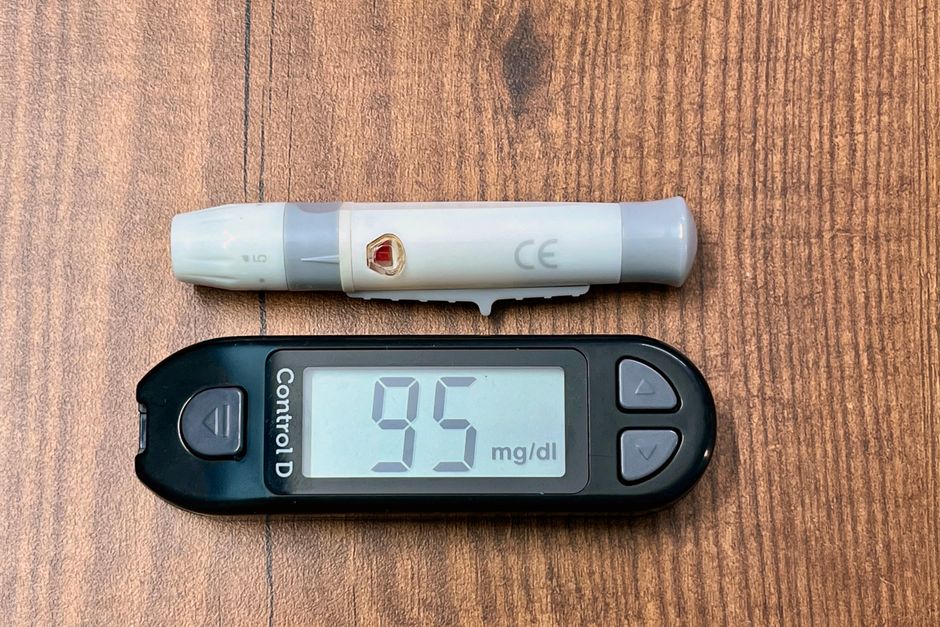
Blood sugar numbers shift with age, but not in the way most people assume. The standard ranges doctors use to define normal and diabetic blood sugar are the same for a 40-year-old and a 70-year-old. What changes is how common high blood sugar becomes, how early it tends to appear, and how aggressively it should be watched. For most healthy adults, a fasting blood sugar between 70 and 99 mg/dL is normal. A reading of 100 to 125 mg/dL is prediabetes, and 126 mg/dL or higher on two separate tests points to diabetes.
What Is a Normal Fasting Blood Sugar by Age?
Fasting blood sugar is measured after at least eight hours without eating. The diagnostic cutoffs come from the American Diabetes Association and apply to all adults regardless of age.
| Fasting Blood Sugar | Category |
|---|---|
| Below 70 mg/dL | Low (hypoglycemia) |
| 70–99 mg/dL | Normal |
| 100–125 mg/dL | Prediabetes |
| 126 mg/dL or higher (two tests) | Diabetes |
Age does not move these thresholds. A 35-year-old and a 65-year-old with a fasting glucose of 105 mg/dL both fall into the prediabetes range. What does change is how likely that number is to creep up. Muscle mass declines with age, and muscle is one of the main places the body stores glucose after a meal. Less muscle means less storage space, so glucose stays in the bloodstream longer.
Beta-cell function — the pancreas cells that release insulin — also tends to decline gradually over decades. This is why the same diet that kept someone’s blood sugar normal at 30 may not be enough at 55.
What Should Your Blood Sugar Levels Be At Every Age?
The target ranges are the same across adulthood, but the practical focus shifts with life stage. Here is how that plays out.
- Under 30: Fasting 70–99 mg/dL. Type 1 diabetes is most often diagnosed in this window, and type 2 is rising in younger adults. Screening is generally not routine unless there is a risk factor like obesity or family history.
- 30s and 40s: Same 70–99 mg/dL target. Insulin resistance often begins silently here, especially with weight gain around the waist. This is when prediabetes most often first shows up.
- 50s and 60s: Same target. Screening becomes more important because the cumulative effects of insulin resistance have had more time to develop. Many people are diagnosed with type 2 diabetes in this decade.
- 70s and older: The lab range is still 70–99 mg/dL, but treatment targets often loosen for people with other health conditions. A fasting glucose of 110 mg/dL may be acceptable in a frail 80-year-old if tight control would risk dangerous lows.
That last point matters and is often misunderstood. The diagnostic range does not change with age. The treatment goal can. For older adults with multiple illnesses or limited life expectancy, some clinical guidelines suggest less strict targets because the risk of hypoglycemia — dangerously low blood sugar — outweighs the benefit of near-normal numbers. This is a conversation to have with a doctor, not a rule to apply yourself.
Does A1C Change With Age?
A1C is a blood test that reflects average blood sugar over the previous two to three months. It is reported as a percentage. The standard categories are the same for all adults:
| A1C | Category |
|---|---|
| Below 5.7% | Normal |
| 5.7%–6.4% | Prediabetes |
| 6.5% or higher | Diabetes |
There is one age-related wrinkle worth knowing. A1C can be less accurate in certain situations, and some of those become more common with age. Conditions that affect red blood cell lifespan — like anemia, recent blood loss, or chronic kidney disease — can skew the result up or down. In those cases, a doctor may rely on fasting glucose or a glucose tolerance test instead.
This is a real limitation, not a minor footnote. A person with undiagnosed anemia could get an A1C that looks better or worse than their actual average blood sugar. If an A1C result does not match what the fasting glucose suggests, that mismatch is a signal to look closer.



What About Blood Sugar After Eating?
Post-meal readings, called postprandial glucose, are usually checked two hours after a meal or after a standardized glucose drink. For adults without diabetes, a two-hour reading below 140 mg/dL is considered normal.
For people with diabetes, the American Diabetes Association generally suggests aiming for under 180 mg/dL two hours after a meal begins. That is a treatment target, not a diagnostic cutoff, and it can be adjusted by a clinician.
Post-meal spikes tend to be higher and last longer as people age, largely for the reasons already covered — less muscle mass and slower insulin release. This is one reason some clinicians pay attention to after-meal numbers even when fasting glucose looks fine.
Why Do Blood Sugar Problems Become More Common With Age?
Three changes drive most of it.
Insulin resistance rises. Cells become less responsive to insulin’s signal to take in glucose. The pancreas compensates by producing more insulin, and for a while that works. Eventually it cannot keep up.
Muscle mass falls. Skeletal muscle is the largest consumer of glucose after a meal. Losing muscle — which happens gradually from midlife onward without resistance training — removes a major place for glucose to go.
Beta-cell function declines. The pancreas’s insulin-producing cells lose some capacity over time. This decline is not inevitable at the same rate for everyone, but it is a normal part of aging to some degree.
None of these changes happen overnight, and none of them are purely determined by age. Body weight, physical activity, sleep, and genetics all influence how fast they progress.
When Should You Start Checking Your Blood Sugar?
The American Diabetes Association recommends routine screening for all adults starting at age 35, and earlier for anyone with risk factors such as a BMI of 30 or higher, a family history of diabetes, or a history of gestational diabetes.
If results are normal, repeat screening every three years is a common interval. If prediabetes is found, more frequent testing — often yearly — is typical. These intervals are general guidance and can be adjusted by a clinician based on individual risk.
Waiting for symptoms is a mistake. Type 2 diabetes often produces no noticeable symptoms for years. By the time thirst, frequent urination, and blurred vision appear, blood sugar has usually been elevated for a long time. Screening catches the problem while it is still reversible or manageable.
Can You Lower Blood Sugar Without Medication?
For prediabetes, lifestyle changes are the first-line approach and the evidence here is strong. The Diabetes Prevention Program, a large US trial, found that people with prediabetes who lost a modest amount of weight through diet and exercise sharply reduced their risk of progressing to type 2 diabetes. The effect was larger than the medication arm of the same trial.
What tends to work:
- Regular physical activity, including both aerobic exercise and resistance training
- Reducing refined carbohydrates and added sugars
- Losing excess weight, particularly around the abdomen
- Getting enough sleep — poor sleep worsens insulin sensitivity
For people who already have diabetes, lifestyle changes remain important but are often not enough on their own. Medication decisions belong with a doctor. No supplement or “blood sugar support” product has been shown in large human trials to replace proven treatment, and marketing claims for these products routinely outrun the evidence.
One clarification worth making: “normal” blood sugar is not the same as “optimal” for everyone. A reading of 95 mg/dL is normal, but a person whose fasting glucose has risen from 80 to 95 over five years is on a different trajectory than someone who has been steady at 95 for a decade. Trends matter as much as single numbers.
Frequently Asked Questions
What is a normal blood sugar level for a 60-year-old?
A fasting blood sugar of 70–99 mg/dL is normal at 60, just as it is at 30. Treatment targets may be looser for older adults with other health conditions, but the diagnostic range does not change with age.
Does normal blood sugar change with age?
The diagnostic cutoffs do not change with age. What changes is how common high blood sugar becomes, because insulin resistance rises and muscle mass falls over time.
What is a normal A1C for a 50-year-old?
Below 5.7% is normal, 5.7%–6.4% is prediabetes, and 6.5% or higher indicates diabetes, regardless of age. Conditions like anemia can make A1C less reliable at any age.
What blood sugar level is dangerously high?
There is no single cutoff for “dangerous,” but readings above 250 mg/dL with symptoms like confusion, vomiting, or rapid breathing require urgent medical care. Very high blood sugar can lead to a medical emergency.
