
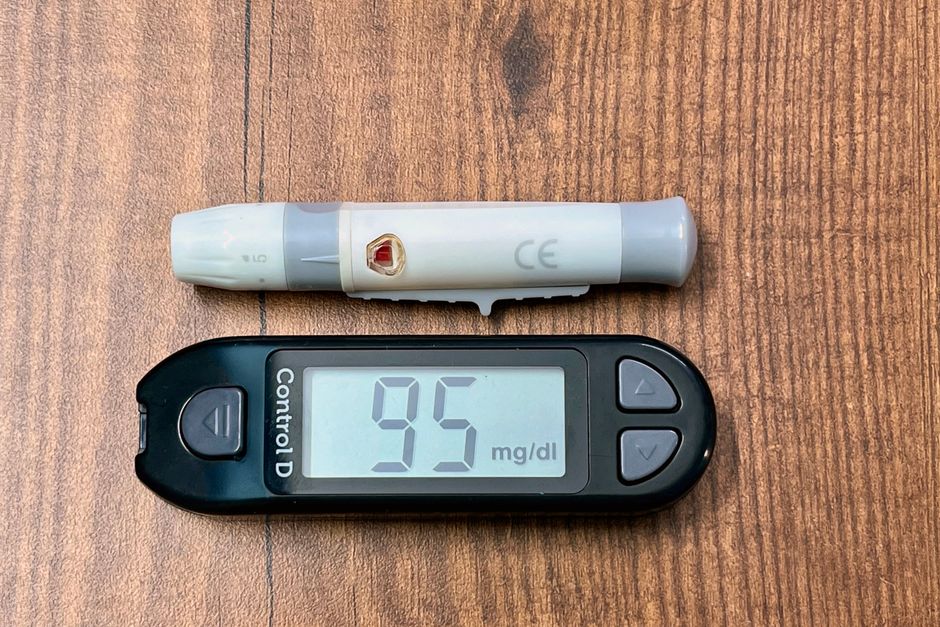
Blood sugar is the amount of glucose circulating in your blood right now. For most adults without diabetes, a normal fasting blood sugar is between 70 and 99 mg/dL. Two hours after a meal, it usually stays below 140 mg/dL. Those two numbers are the foundation of how doctors define normal, and almost everything else about blood sugar builds on them.
What Is The Normal Blood Sugar Range?
Normal blood sugar is not one number. It is a range that shifts throughout the day depending on when and what you last ate, how active you have been, and how well your body handles glucose.
The two measurements doctors rely on most are fasting glucose and post-meal glucose. A fasting level is taken after at least eight hours without eating, usually first thing in the morning. A post-meal level is typically checked two hours after you start eating.
| Test | Normal | Prediabetes | Diabetes |
|---|---|---|---|
| Fasting glucose | 70–99 mg/dL | 100–125 mg/dL | 126 mg/dL or higher |
| 2-hour glucose after meal | Below 140 mg/dL | 140–199 mg/dL | 200 mg/dL or higher |
| A1C (3-month average) | Below 5.7% | 5.7–6.4% | 6.5% or higher |
These cutoffs come from widely used diagnostic criteria. They are not arbitrary. Each threshold reflects where research shows the risk of diabetes-related complications begins to rise meaningfully.
One point that surprises many people: normal blood sugar is not the same for everyone. Pregnant women have different thresholds. Children and teens can run slightly lower. Older adults with other health conditions may have individualized targets set by their doctor.
What Happens to Blood Sugar After You Eat?
Blood sugar rises after every meal. That is normal and expected. The question is how high it goes and how quickly it comes back down.
When you eat carbohydrates, your digestive system breaks them into glucose, which enters the bloodstream. In response, the pancreas releases insulin. Insulin acts like a key, allowing glucose to move out of the blood and into cells where it is used for energy or stored.
In someone without diabetes, this system works efficiently. Blood sugar might rise to 120–140 mg/dL within an hour of eating, then return to baseline within two to three hours.
In someone with insulin resistance, cells respond poorly to insulin. The pancreas compensates by producing more. Over time, it may not keep up. Blood sugar stays elevated longer, and fasting levels creep upward.
This is why a single high reading after a big meal does not mean much on its own. What matters is the pattern over time and how well your body clears glucose between meals.
What Is Prediabetes and How Is It Different?
Prediabetes sits between normal and diabetic blood sugar. A fasting level of 100–125 mg/dL, a two-hour level of 140–199 mg/dL, or an A1C of 5.7–6.4% all fall into this range.
Prediabetes is not a mild version of diabetes. It is a warning sign that glucose regulation is slipping. Research consistently shows that people with prediabetes are at higher risk of developing type 2 diabetes, though not everyone who has it will progress.
What makes prediabetes tricky is that it usually causes no symptoms. You cannot feel your fasting glucose drifting from 95 to 110. That is why screening matters, especially for adults with risk factors like excess weight, a family history of diabetes, or a history of gestational diabetes.
Lifestyle changes can meaningfully reduce progression to type 2 diabetes in people with prediabetes. Large prevention trials have shown that modest weight loss and regular physical activity lower risk substantially. The effect is real and well documented.


What Causes Blood Sugar to Go Too High or Too Low?
High blood sugar, called hyperglycemia, happens when the body either does not make enough insulin or cannot use it properly. Type 1 diabetes is an autoimmune condition where the pancreas stops producing insulin. Type 2 diabetes involves insulin resistance combined with declining insulin production over time.
Other things can push blood sugar up temporarily, including illness, infection, certain medications like steroids, and physical stress. Even a bad cold can raise glucose in someone with diabetes.
Low blood sugar, called hypoglycemia, is different. In people without diabetes, it is uncommon. When it does occur, it is usually linked to prolonged fasting, heavy alcohol use without food, or certain medical conditions.
For people with diabetes who take insulin or certain oral medications, hypoglycemia is a real risk. A blood sugar below 70 mg/dL is generally considered low and needs to be treated promptly. Symptoms include shakiness, sweating, confusion, and rapid heartbeat.
This is an important distinction. The 70 mg/dL threshold means something very different for someone on insulin than for someone who is not.
How Do You Know If Your Blood Sugar Is Normal?
You cannot reliably tell by how you feel. Most people with mildly elevated blood sugar have no symptoms at all. That is the central problem with relying on symptoms alone.
The only way to know is to test. A fasting glucose test or A1C gives a clear picture. Your doctor can order these as part of routine blood work.
Home glucose meters can also be useful, though they are primarily designed for people managing diabetes. If you are using one without a diagnosis, the readings can be hard to interpret without context. A single morning reading of 105 mg/dL on a home meter, for example, is not the same as a lab fasting glucose.
Continuous glucose monitors have become more popular among people without diabetes. These devices track glucose every few minutes. They can show interesting patterns, but there is no established clinical guidance for interpreting their data in people without diabetes. What looks like a spike on a monitor may be a perfectly normal post-meal rise.
Some clinicians use continuous monitors in non-diabetic patients to look for patterns. That is not the same as saying the data has proven clinical meaning for everyone. The evidence here is still developing.
Does Normal Blood Sugar Change With Age?
Fasting glucose tends to rise slightly with age, even in people who never develop diabetes. This is partly because insulin sensitivity tends to decrease over time and pancreatic function can decline gradually.
That said, the diagnostic thresholds do not change for healthy older adults. A fasting glucose of 100–125 mg/dL is still prediabetes at 70 just as it is at 40.
Where age matters is in treatment targets. For older adults with diabetes and other serious health conditions, doctors sometimes aim for slightly higher glucose targets. The reasoning is that the risk of severe hypoglycemia may outweigh the benefit of tighter control in someone who is frail or has limited life expectancy.
This is a clinical judgment call, not a one-size-fits-all rule. If you are caring for an older adult with diabetes, their target range should come from their doctor, not from a general article.
What Actually Affects Your Blood Sugar Day to Day?
Many things move blood sugar up or down within a single day. Understanding these helps you interpret your own readings more accurately.
- Food: Carbohydrates raise glucose the most. Protein and fat have smaller effects but still matter.
- Exercise: Activity usually lowers blood sugar because muscles take up glucose. Intense exercise can briefly raise it due to stress hormones.
- Stress: Cortisol and adrenaline raise blood sugar. This happens even without diabetes.
- Sleep: Poor sleep can worsen insulin sensitivity the next day.
- Medications: Steroids, some blood pressure drugs, and certain psychiatric medications can raise glucose.
- Illness: Infection and fever tend to push glucose up.
- Alcohol: Can cause delayed lows, especially without food.
- Time of day: Many people run higher in the early morning due to the dawn phenomenon, a natural rise in hormones.
The dawn phenomenon is worth knowing about. Between roughly 3 a.m. and 8 a.m., the body releases hormones that raise blood sugar in preparation for waking. In people without diabetes, insulin keeps this in check. In people with diabetes, it can cause a noticeable morning spike even without eating.
Frequently Asked Questions
What is a normal blood sugar level after eating?
Two hours after a meal, a normal blood sugar is below 140 mg/dL. Levels between 140 and 199 mg/dL fall into the prediabetes range.
Is 110 mg/dL fasting blood sugar normal?
No. A fasting glucose of 100–125 mg/dL is classified as prediabetes. A level of 110 mg/dL falls within that range and warrants a conversation with your doctor.
Can blood sugar be normal but still have diabetes?
It is possible for a single reading to look normal while other tests show diabetes. This is why doctors often use more than one test, such as fasting glucose and A1C, to confirm a diagnosis.
Does normal blood sugar mean no diabetes risk?
No. Normal readings lower your risk but do not eliminate it. Risk also depends on family history, weight, activity level, and other factors that can change over time.
