

A fasting blood sugar between 70 and 99 mg/dL is considered normal for most adults. This measurement is taken after at least 8 hours without eating or drinking anything except water. A result between 100 and 125 mg/dL falls into the prediabetes range, and 126 mg/dL or higher on two separate tests generally indicates diabetes.
Those numbers come from widely used clinical guidelines and have been stable for years. But the full picture involves more than a single cutoff. What you ate the night before, certain medications, stress, illness, and even the time of day can shift your reading. Understanding what the number means — and what it does not — matters more than memorizing a range.
What Is Considered A Normal Fasting Blood Sugar?
The standard reference range for a fasting blood glucose test is 70 to 99 mg/dL. This range applies to adults who do not have diabetes and are not pregnant.
The test itself is straightforward. You fast for at least 8 hours — typically overnight — and a lab draws blood to measure how much glucose is circulating. Glucose is your body’s primary fuel. Between meals, the liver releases stored glucose to keep your levels steady. Insulin, a hormone made by the pancreas, acts like a key that lets glucose move from your blood into your cells. When this system works well, fasting glucose stays in a tight range.
Here is how the numbers break down:
| Fasting Blood Glucose | Category |
|---|---|
| Below 70 mg/dL | Low (hypoglycemia) |
| 70–99 mg/dL | Normal |
| 100–125 mg/dL | Prediabetes |
| 126 mg/dL or higher (on two tests) | Diabetes |
These thresholds come from the American Diabetes Association and are used across most clinical settings in the United States. A single high reading is not enough to diagnose diabetes. Doctors typically confirm with a second test, which may be another fasting glucose, an A1C test, or an oral glucose tolerance test.
One thing worth knowing: “normal” on a lab report does not always mean optimal. The range of 70 to 99 is broad. Some research suggests that risks begin to rise even within the upper end of that range, though the evidence is not strong enough to redefine the cutoff. For now, 99 remains the upper limit of normal.
How Is a Fasting Blood Sugar Test Done?
The test requires you to not eat or drink anything except water for at least 8 hours before your blood is drawn. Most people schedule it first thing in the morning.
Water is fine. Coffee is not — even black coffee can affect results in some people. If you take medications, ask your doctor whether you should take them before or after the test. Some drugs, including certain steroids and diuretics, can raise blood sugar. Others, like insulin or sulfonylureas, can lower it and may need timing adjustments.
The blood draw itself takes less than a minute. Results usually come back within a day or two. If your reading is borderline, your doctor may repeat the test or order additional tests to get a clearer picture.
A1C is a different test that reflects average blood sugar over the past 2 to 3 months. It does not require fasting. A normal A1C is below 5.7%. Between 5.7% and 6.4% indicates prediabetes, and 6.5% or higher indicates diabetes. Some clinicians use both tests together because they measure different things — fasting glucose captures a single moment, while A1C shows a longer trend.
What Can Make Your Fasting Blood Sugar Go Up or Down?
Many factors beyond diet can shift your fasting glucose. Some are temporary. Others point to underlying conditions.
Things that can raise it:
- Stress or illness — the body releases hormones like cortisol that increase blood sugar
- Poor sleep — even one night of disrupted sleep can affect glucose the next morning
- Certain medications — corticosteroids, some blood pressure drugs, and certain antidepressants
- Eating a large, high-carbohydrate meal late the night before
- Infections or recent surgery
- Dawn phenomenon — early morning hormone surges that naturally raise blood sugar in some people
Things that can lower it:
- Fasting longer than usual
- Alcohol consumed the night before
- Certain diabetes medications
- Intense exercise before the test
The dawn phenomenon deserves a mention because it surprises people. In the early morning hours, the body releases growth hormone and cortisol to help you wake up. These hormones raise blood sugar. In people without diabetes, insulin handles it. In people with insulin resistance, fasting glucose can be higher than expected even when daytime readings look fine.
If your fasting number is consistently off, the pattern matters more than any single reading. One high result after a stressful week is not the same as three high results over three months.


When Should You Be Concerned About Your Fasting Blood Sugar?
A single fasting glucose of 100 to 125 mg/dL puts you in the prediabetes range. That does not mean you will develop diabetes. It means your body is having more trouble managing blood sugar than it should.
Prediabetes is common. Without lifestyle changes, some people with prediabetes progress to type 2 diabetes within several years, while others do not. Research consistently shows that modest changes — losing a small amount of weight, getting regular physical activity, and improving diet — can reduce the risk of progression. The Diabetes Prevention Program, a large clinical trial, found that lifestyle changes were more effective than medication in preventing or delaying type 2 diabetes in people at high risk.
A fasting glucose of 126 mg/dL or higher on two separate occasions generally leads to a diabetes diagnosis. At that point, the conversation shifts from prevention to management.
On the other end, a fasting glucose below 70 mg/dL is considered low. This is uncommon in people who do not take diabetes medication. If it happens without medication, your doctor will look for other causes, including liver conditions, adrenal problems, or prolonged fasting.
Some people have impaired fasting glucose — meaning their fasting number is slightly elevated but their A1C and post-meal readings are normal. This pattern is more common in older adults and can reflect early changes in how the liver handles glucose overnight.
What Is a Normal Fasting Blood Sugar for Pregnant Women?
The normal range for pregnant women is lower than for other adults. A fasting glucose of 95 mg/dL or higher during pregnancy may prompt further testing for gestational diabetes.
Pregnancy changes how the body handles glucose. Hormones from the placenta can make cells more resistant to insulin, especially in the second and third trimesters. This is normal — it helps ensure the baby gets enough glucose. But in some women, the pancreas cannot keep up, and blood sugar rises too high.
Gestational diabetes is typically screened between 24 and 28 weeks of pregnancy using an oral glucose tolerance test. The fasting threshold for diagnosis during pregnancy is lower than for non-pregnant adults because even mildly elevated glucose can affect the baby’s growth and delivery.
No clinical guidelines currently exist for a single “normal” fasting glucose across all stages of pregnancy. The thresholds used depend on the specific test protocol and the week of pregnancy. If you are pregnant and have concerns about your blood sugar, your obstetric provider is the right person to ask.
What About Children and Teenagers?
The same 70 to 99 mg/dL range generally applies to children and adolescents. However, type 2 diabetes in young people has been rising, and screening recommendations have changed in recent years.
The American Diabetes Association now recommends screening for prediabetes and type 2 diabetes in children and adolescents who have overweight or obesity and at least one additional risk factor. Risk factors include family history of type 2 diabetes, certain racial or ethnic backgrounds, and signs of insulin resistance such as acanthosis nigricans — dark, velvety patches on the neck or armpits.
Type 1 diabetes, which is an autoimmune condition, often presents differently. It can cause rapid onset of high blood sugar, excessive thirst, frequent urination, and weight loss. A fasting glucose in this situation may be well above 126 mg/dL and requires urgent medical attention.
If you are concerned about a child’s blood sugar, do not rely on a home glucose meter alone. A lab test ordered by a pediatrician provides more reliable information.
How Accurate Are Home Glucose Meters?
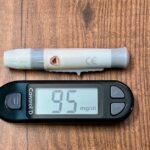
Home meters are useful for tracking trends but are not as precise as lab tests. The FDA requires home glucose meters to be accurate within 15% of the lab value for most readings, and within 20% for readings below 75 mg/dL.
That means a meter reading of 95 mg/dL could actually be anywhere from about 81 to 109 mg/dL. For someone monitoring diabetes, that margin is acceptable. For someone trying to determine whether they have prediabetes, it can be misleading.
If you use a home meter, keep a few things in mind:
- Wash and dry your hands before testing — food residue can skew results
- Use unexpired test strips stored properly
- Test at roughly the same time each morning for consistency
- Bring your meter to a doctor’s visit to compare it against a lab result
A diagnosis of prediabetes or diabetes should never be made from a home meter alone. Lab testing is the standard for diagnosis.
What Should You Do If Your Fasting Blood Sugar Is Abnormal?
If your fasting glucose falls outside the normal range, the next step is a conversation with your doctor — not a drastic change based on one reading.
Bring your result and ask what it means in the context of your overall health. A single elevated reading may be repeated. Your doctor may also order an A1C or a glucose tolerance test to get a fuller picture.
If you are diagnosed with prediabetes, the evidence supports lifestyle changes as the first line of response. Losing 5% to 7% of body weight and getting at least 150 minutes of moderate physical activity per week have been shown in large trials to reduce the risk of progressing to type 2 diabetes. These are not guarantees — they are risk reductions. Some people do everything right and still develop diabetes. Genetics and other factors play a role that lifestyle cannot fully override.
If you are diagnosed with diabetes, treatment typically involves a combination of medication, monitoring, diet, and activity. The specifics depend on the type of diabetes, your other health conditions, and how your body responds.
What you should not do is ignore a consistently abnormal result. High blood sugar damages blood vessels and nerves over time. The earlier it is addressed, the more options you have.
Frequently Asked Questions
Is 100 mg/dL fasting blood sugar normal?
No. A fasting glucose of 100 mg/dL falls into the prediabetes range, which is 100 to 125 mg/dL. It does not mean you have diabetes, but it does warrant a follow-up conversation with your doctor.
Can I eat before a fasting blood sugar test?
No. You need to fast for at least 8 hours before the test, drinking only water. Eating or drinking anything else can raise your glucose and make the result unreliable.
What is a normal fasting blood sugar for a diabetic?
For people with diabetes, the target fasting glucose is often 80 to 130 mg/dL, though individual targets vary based on age, other health conditions, and treatment plan. Your doctor sets the target that is right for you.
Does stress affect fasting blood sugar?
Yes. Stress triggers the release of hormones like cortisol, which raise blood sugar. Even a stressful morning before your test can push your reading higher than usual.
