
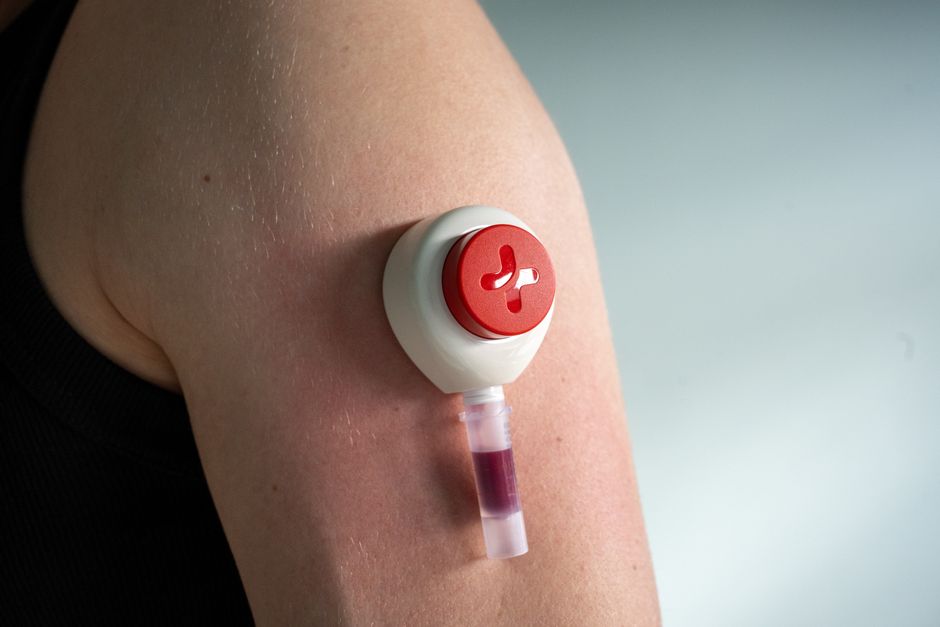
A “neut” blood test is shorthand for a neutrophil count — a measure of the most abundant type of white blood cell in your body. Neutrophils are your immune system’s first responders, and they make up roughly 50% to 70% of all white blood cells in a healthy adult. When a doctor orders a “neut count,” they are checking how many of these cells you have, usually as part of a complete blood count (CBC) with differential.
That number can tell a lot. Too few neutrophils raises the risk of infection. Too many can signal the body is fighting something — or reacting to stress, medication, or other conditions. This article explains what the test measures, what the results mean, and when the numbers actually matter.
What Is A Neut Blood Test and What Does It Measure?
A neutrophil count measures the number and, in some cases, the maturity of neutrophils circulating in your blood. It is not a separate test you schedule on its own. It comes from a CBC with differential, a standard blood draw that counts all major blood cell types.
There are two ways the result is usually reported:
- Absolute neutrophil count (ANC): The actual number of neutrophils per microliter of blood. This is the number that matters most clinically.
- Percentage: The share of your total white blood cells that are neutrophils. A normal range is generally around 50% to 70%, though this varies by lab.
The absolute count is the one doctors act on. A percentage can look abnormal while the absolute count is fine, or vice versa. If you are reading your own lab report, look for the ANC.
A normal ANC in adults is typically between 1,500 and 8,000 cells per microliter, though reference ranges differ slightly between laboratories. Your report will list the range your specific lab uses.
Why Would a Doctor Order a Neutrophil Count?
Doctors do not usually order a neutrophil count in isolation. It comes bundled into a CBC, which is one of the most common blood tests in medicine. A CBC with differential is ordered for many reasons:
- Investigating unexplained fever, fatigue, or repeated infections
- Monitoring during chemotherapy or radiation, both of which suppress neutrophil production
- Checking for infection after surgery or during a hospital stay
- Evaluating autoimmune conditions or bone marrow disorders
- Tracking the effects of certain medications that can lower white blood cells
Sometimes the count is checked simply because someone is already having blood drawn for another reason. An unexpected neutrophil result can be the first clue that something needs a closer look.
What Does a High Neutrophil Count Mean?
A high neutrophil count is called neutrophilia. The most common cause is a bacterial infection — the immune system ramps up neutrophil production to fight it. But infection is not the only reason.
Other causes of a high count include:
- Physical stress on the body, including surgery, trauma, burns, or intense exercise
- Inflammation from conditions like rheumatoid arthritis or inflammatory bowel disease
- Corticosteroid medications, which can push neutrophil numbers up
- Smoking
- Emotional or physical stress, which can cause a temporary rise
- Certain blood cancers, though this is far less common than infection
A single high reading is not usually cause for alarm on its own. Neutrophil counts can rise and fall throughout the day and in response to short-term stress. Doctors look at the pattern over time and the full clinical picture.
One thing worth knowing: a high neutrophil count does not tell you where an infection is or what is causing it. It is a signal, not a diagnosis. Further testing is usually needed to find the source.



What Does a Low Neutrophil Count Mean?
A low neutrophil count is called neutropenia. It matters more urgently than a high count because neutrophils are your main defense against bacterial and fungal infections. When they drop too low, your body struggles to fight off organisms it would normally handle easily.
Neutropenia is generally classified by severity:
- Mild: ANC between 1,000 and 1,500 cells per microliter
- Moderate: ANC between 500 and 1,000
- Severe: ANC below 500
Severe neutropenia is considered a medical concern that needs prompt attention. Below 500, and especially below 100, the risk of serious infection rises significantly.
Common causes of neutropenia include:
- Chemotherapy and radiation therapy, which suppress bone marrow production
- Certain medications, including some antibiotics, antipsychotics, and thyroid drugs
- Viral infections such as influenza or hepatitis
- Vitamin B12 or folate deficiency
- Autoimmune conditions where the body attacks its own neutrophils
- Bone marrow disorders, including leukemia and aplastic anemia
- An enlarged spleen, which can trap and destroy neutrophils
Sometimes no clear cause is found. This is called chronic benign neutropenia, and in some people it does not lead to more infections. But that determination should come from a doctor, not from a single lab result.
What Symptoms Go With an Abnormal Neutrophil Count?
The count itself does not cause symptoms. What causes symptoms is whatever is driving the count up or down — or, in the case of neutropenia, the infections that result from having too few neutrophils.
With a low neutrophil count, signs to watch for include:
- Fever, often the first and sometimes only sign of infection
- Sore throat or mouth sores
- Recurrent or unusual infections
- Slow-healing wounds
- Chills or general malaise
Fever in someone with known neutropenia is treated as a medical emergency. If you have a low neutrophil count and develop a fever, seek care right away rather than waiting to see if it passes.
With a high count, symptoms depend entirely on the underlying cause. A bacterial infection might bring fever, pain, or swelling. A stress response might bring no symptoms at all.
How Is an Abnormal Neutrophil Count Investigated?
An abnormal result usually triggers a repeat test first. Neutrophil counts fluctuate, and a single reading may not reflect a real trend. If the result is confirmed, the next steps depend on which direction it went and what else the CBC showed.
Doctors may look at:
- Other white blood cell types to see if the pattern suggests a specific cause
- Red blood cell and platelet counts, which can point to bone marrow issues
- A blood smear, where a pathologist examines the cells under a microscope
- Vitamin B12 and folate levels
- Tests for infection or autoimmune markers
- In some cases, a bone marrow biopsy
Not every abnormal count needs extensive workup. Mild changes that resolve on repeat testing often need no further investigation. The decision rests on the severity, the trend, and the person’s overall health.
What Should You Do If Your Neutrophil Count Is Abnormal?
Do not try to interpret a neutrophil count on your own. Reference ranges vary by lab, and what looks alarming in isolation may be normal in context. Share the result with your doctor and ask what it means for you specifically.
If your count is low, your doctor may advise steps to reduce infection risk while the cause is investigated. These can include hand hygiene, avoiding crowds during cold and flu season, and staying up to date on vaccines. Whether these steps are appropriate for your situation is a conversation to have with your clinician.
If your count is high, the focus is usually on finding the underlying cause rather than treating the number itself. A high count that stems from a bacterial infection will typically return to normal once the infection clears.
No diet, supplement, or lifestyle change has been shown in clinical trials to reliably raise or lower neutrophil counts in people with genuine abnormalities. Be cautious of any product marketed for that purpose.
Frequently Asked Questions
What is a normal neutrophil count?
A normal absolute neutrophil count in adults is generally between 1,500 and 8,000 cells per microliter, though reference ranges vary by laboratory. Check the range printed on your own lab report.
Is a high neutrophil count always a sign of infection?
No. Infection is a common cause, but stress, inflammation, steroid medications, and smoking can also raise the count. A single high reading often needs a repeat test before any conclusions are drawn.
When is a low neutrophil count dangerous?
An absolute neutrophil count below 500 cells per microliter is considered severe and raises infection risk significantly. Fever in someone with a low count is treated as a medical emergency.
Can I raise my neutrophil count naturally?
No clinical evidence confirms that any diet, supplement, or lifestyle change reliably raises neutrophil counts in people with true neutropenia. Treatment depends on the underlying cause and should come from a doctor.
