
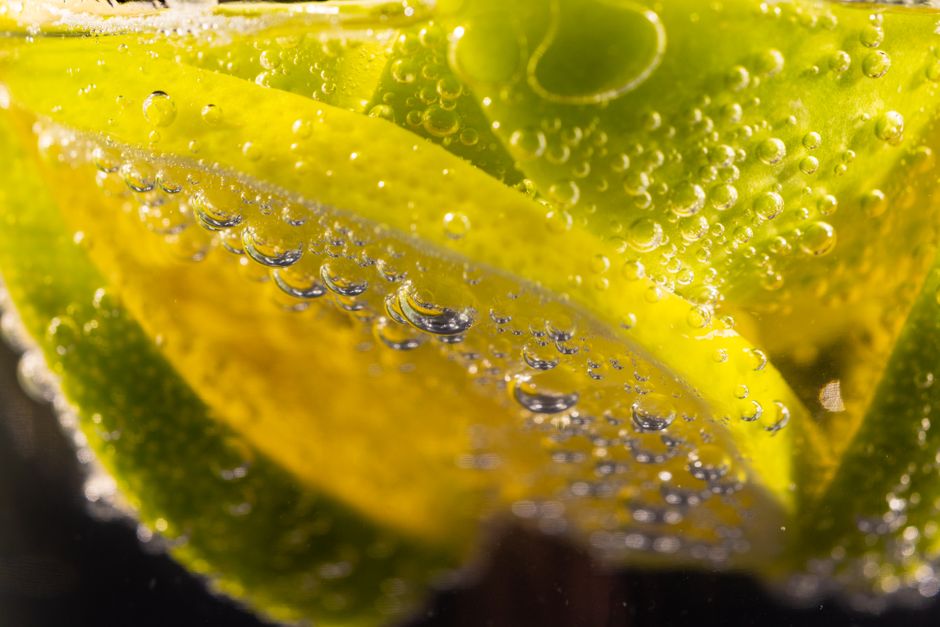
A low acid diet is an eating pattern that limits foods and drinks that are highly acidic or that cause your body to produce more acid. The goal is to reduce symptoms like heartburn, acid reflux, and indigestion. You focus on eating foods with a higher pH, like most vegetables, melons, and whole grains, while avoiding citrus fruits, tomatoes, spicy foods, and caffeinated drinks.
What Does Acid Reflux Have To Do With Your Diet?
Acid reflux happens when stomach acid flows backward into your esophagus. That is the tube that carries food from your mouth to your stomach. The esophagus does not have the same protective lining as the stomach, so the acid causes a burning sensation.
Certain foods can make this worse. Some foods relax the muscle that normally keeps stomach contents down. That muscle is called the lower esophageal sphincter, or LES. Other foods directly irritate an already inflamed esophagus.
A low acid diet is not a cure for reflux. It is a management tool. Many people find that changing what they eat reduces how often they get heartburn and how severe it feels.
How Acidic Is Your Food Really?
Foods are measured on the pH scale. The scale goes from 0 to 14. A pH of 7 is neutral. Anything below 7 is acidic. Anything above 7 is alkaline.
Stomach acid has a pH around 1.5 to 3.5. That is extremely acidic. Most foods are nowhere near that level. Even a lemon, which is one of the most acidic foods, has a pH around 2.
The pH of a food matters less than how your body reacts to it. For example, milk is close to neutral, but it can trigger reflux in some people because of its fat content. Fat slows digestion, which gives acid more time to back up.
Some clinicians recommend measuring your own response. Keep a food diary. Write down what you eat and how you feel afterward. This often reveals patterns that a generic list cannot capture.
What Can You Eat On A Low Acid Diet?
The safest foods on a low acid diet are generally low in acid and low in fat. They are also easy to digest.
- Vegetables: Broccoli, green beans, potatoes, cucumber, and leafy greens are all good choices.
- Fruits: Bananas, melons, apples, and pears are lower in acid than citrus fruits.
- Whole grains: Oatmeal, brown rice, whole wheat bread, and quinoa are gentle on the stomach.
- Lean proteins: Chicken and turkey without the skin, fish, and tofu are good options.
- Healthy fats: Avocado and olive oil in moderate amounts are usually fine.
- Beverages: Water, herbal tea, and non-citrus juices like apple or carrot juice are safe.
How you prepare food matters as much as what you eat. Grilling, baking, steaming, and boiling are better than frying. Fried foods are high in fat, and fat is a known trigger for reflux.
Eating smaller meals also helps. A full stomach puts pressure on the LES. That pressure makes it easier for acid to escape upward.


What Foods Should You Avoid?
Some foods are common triggers for most people with reflux. You may not react to all of them, but these are the ones to watch.
- Citrus fruits: Oranges, lemons, limes, and grapefruit are highly acidic.
- Tomatoes: Tomato sauce, tomato juice, and raw tomatoes are acidic.
- Spicy foods: Chili peppers, hot sauce, curry, and black pepper can irritate the esophagus.
- Fried and fatty foods: Fast food, fatty meats, and full-fat dairy slow digestion.
- Caffeine: Coffee, tea, and some sodas relax the LES.
- Carbonated drinks: The bubbles expand your stomach and increase pressure.
- Alcohol: Beer, wine, and liquor relax the LES and increase acid production.
- Chocolate: Contains caffeine and other compounds that relax the LES.
- Mint: Peppermint and spearmint can relax the LES.
- Onions and garlic: These are common triggers, especially when raw.
Dairy is a mixed category. Low-fat or fat-free milk may be fine for some people. Full-fat dairy is more likely to cause problems. Yogurt is often well tolerated, but it can be too acidic for some.
What Is A Low Acid Diet What To Eat And Avoid For Weight Management?
Weight plays a direct role in reflux. Excess weight around the abdomen increases pressure inside your stomach. That pressure pushes acid upward.
A low acid diet can support weight loss because it naturally cuts out many high-calorie, processed foods. Fried foods, sugary drinks, and fast food are all off the list. You replace them with vegetables, lean proteins, and whole grains.
Losing even a modest amount of weight can reduce reflux symptoms. Some studies suggest that weight loss is one of the most effective lifestyle changes for managing reflux. This is not a quick fix, but the dietary changes often work together.
If weight loss is your goal, focus on portion control first. The low acid food list is healthy, but you can still overeat healthy foods. A reasonable portion of protein is about the size of your palm. A serving of grains is about the size of your fist.
Does A Low Acid Diet Actually Work?
The evidence is mixed. Some studies show that dietary changes reduce reflux symptoms. Other studies find that food triggers vary so much between individuals that a generic diet is not reliably effective.
What the research does support is that certain foods relax the LES. Caffeine, alcohol, chocolate, and high-fat meals have all been shown to lower LES pressure. When that muscle is weak, acid moves up more easily.
For people with occasional heartburn, dietary changes often help. For people with more severe reflux, called GERD, diet alone may not be enough. GERD is a medical condition that often requires medication or other treatments.
No clinical evidence currently confirms that a low acid diet cures reflux. It is a symptom management strategy. If your symptoms are frequent or severe, talk to a doctor.
What About Alkaline Water And Other Trends?
Alkaline water has become popular as a supposed remedy for reflux. The idea is that water with a higher pH neutralizes stomach acid. Some small studies have suggested it may help, but the evidence is limited.
The reality is that your stomach is designed to be highly acidic. It needs to be that way to digest food and kill bacteria. Drinking alkaline water temporarily raises the pH in your stomach, but your body quickly corrects it.
Some research suggests that alkaline water with a pH around 8.8 may deactivate pepsin, an enzyme involved in reflux. This is an emerging area of study. No large human trials have confirmed that alkaline water is an effective treatment.
Other trends like apple cider vinegar for reflux are based on the opposite idea. The theory is that some people have too little stomach acid, and adding acid helps digestion. This is not supported by strong evidence. In fact, vinegar can irritate the esophagus and make symptoms worse.
When Should You See A Doctor?
A low acid diet is a reasonable first step for occasional heartburn. But some symptoms require medical attention.
See a doctor if you have:
- Heartburn more than twice a week
- Trouble swallowing
- Pain that wakes you from sleep
- Unexplained weight loss
- Chest pain that feels like pressure or squeezing
- Vomiting blood or black stools
Chest pain can be a sign of a heart attack, not just reflux. If you have chest pain with shortness of breath, sweating, or pain spreading to your arm or jaw, seek emergency care immediately.
For chronic reflux, doctors may recommend medications called proton pump inhibitors, or PPIs. These reduce acid production. They are effective for many people, but they are not meant for long-term use without medical supervision.
Frequently Asked Questions
Can I drink coffee on a low acid diet?
Coffee is a common reflux trigger because caffeine relaxes the lower esophageal sphincter. If you react to coffee, decaf or cold brew may be gentler options, but they can still cause symptoms.
How long does it take for a low acid diet to work?
Most people notice a difference within one to two weeks of consistent dietary changes. The esophagus needs time to heal, so longer-term changes often produce the best results.
Is a low acid diet safe for everyone?
The diet is generally safe because it emphasizes whole, unprocessed foods. However, it is not a substitute for medical treatment, and people with kidney disease or other conditions should talk to a doctor before making major dietary changes.
Can I ever eat acidic foods again?
Many people can reintroduce acidic foods once their symptoms are under control. Start with small amounts and track your response to identify your personal triggers.
