
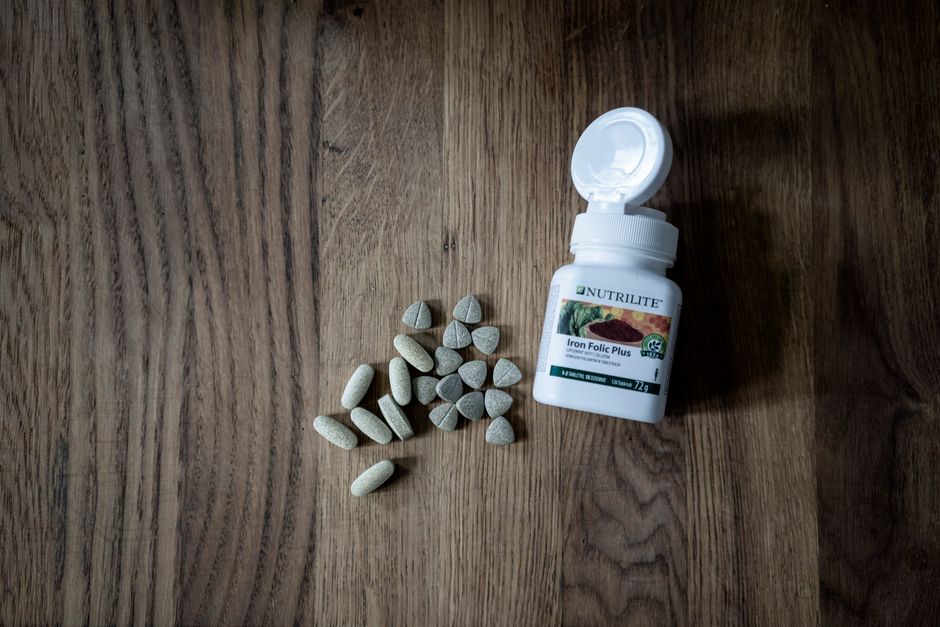
Yes, you can take folic acid and vitamin D together. They are both essential vitamins that your body needs, and they do not interfere with each other. In fact, many daily multivitamins and prenatal vitamins contain both nutrients in a single pill. Taking them at the same time is safe and common practice.
What Do Folic Acid and Vitamin D Each Do?
Folic acid is the synthetic form of folate, a B vitamin. Your body uses it to make red blood cells and to support cell division. For pregnant women, folic acid is critical because it helps prevent neural tube defects in the developing brain and spine. The neural tube forms very early in pregnancy, often before a woman knows she is pregnant, which is why doctors recommend starting folic acid before conception.
Vitamin D is different. It is a fat-soluble vitamin that helps your body absorb calcium. That makes it essential for bone health. It also supports muscle function and helps the immune system fight off bacteria and viruses. Unlike folic acid, your body can make vitamin D when your skin is exposed to sunlight, but many people still do not get enough from sun exposure alone.
These two vitamins work on completely different systems in the body. There is no known interaction between them that would reduce their effectiveness or cause harm.
Can You Take Folic Acid and Vitamin D Together Safely?
Yes. Taking folic acid and vitamin D together is safe for most people. They do not compete for absorption in the digestive tract, and neither one changes how the other is processed by the body.
One difference matters here. Folic acid is water-soluble. If you take more than your body needs, the extra amount is excreted in your urine. Vitamin D is fat-soluble, which means your body stores excess amounts in fat tissue. This makes vitamin D different from folic acid in one important way — too much vitamin D can build up to toxic levels over time.
That does not mean you should avoid taking them together. It just means you should follow the recommended dosages for each vitamin rather than assuming more is always better. Most standard multivitamins contain safe amounts of both.
What Are the Recommended Daily Amounts?
For most adults, the recommended daily amount of folic acid is 400 micrograms. This is the amount found in most standard multivitamins. Women who are pregnant or planning to become pregnant are typically advised to take 400 to 800 micrograms daily. Some doctors recommend higher doses for women who have had a previous pregnancy affected by a neural tube defect, but that decision should be made with a healthcare provider.
The recommended daily amount of vitamin D for adults up to age 70 is 600 international units (IU). For adults over 70, the recommendation rises to 800 IU per day. Many supplements contain 1,000 IU or more, which is still within safe limits for most people.
The upper safe limit for vitamin D is generally considered to be 4,000 IU per day for adults. Taking more than that for extended periods can raise blood calcium levels to a dangerous point, which can cause kidney damage. Folic acid has an upper limit of 1,000 micrograms per day from supplements and fortified foods. This limit exists because very high folic acid intake can mask a vitamin B12 deficiency, which is a separate health concern.





Why Are Both Vitamins Often Combined in Prenatal Vitamins?
Prenatal vitamins routinely combine folic acid and vitamin D, and this combination is well established. Folic acid is included because of its proven role in preventing neural tube defects. Vitamin D is included because it supports the mother’s bone health during pregnancy and helps the baby’s skeleton develop.
Some research suggests that vitamin D deficiency during pregnancy may be linked to complications like gestational diabetes or low birth weight. However, the evidence here is not as strong as the evidence for folic acid. The clearest benefit of vitamin D during pregnancy is bone health for both mother and baby.
Taking a prenatal vitamin that contains both nutrients is the standard approach recommended by obstetricians. The amounts in these products are carefully chosen to be safe for pregnancy.
Should You Take Them at the Same Time or Separately?
You can take folic acid and vitamin D at the same time. There is no evidence that taking them together reduces absorption of either one.
One practical note about vitamin D: because it is fat-soluble, it is absorbed better when taken with a meal that contains some fat. This does not affect folic acid, which absorbs fine on an empty stomach. If you take both vitamins with breakfast, and your breakfast includes eggs or dairy, that is a good approach. If you take them with a glass of water and nothing else, the folic acid will absorb normally, but the vitamin D may not be absorbed as well.
Timing is a convenience issue, not a safety issue. The important thing is consistency. Taking your vitamins at the same time each day helps you remember them, which matters more than the exact timing.
Are There Any Groups Who Should Be Cautious?
Most people can safely take folic acid and vitamin D together. A few groups need to be more careful.
People with kidney disease should talk to their doctor before taking vitamin D supplements. Damaged kidneys cannot properly activate vitamin D, and taking supplements may not help — or in some cases, may cause calcium to build up in the blood. The same caution applies to people with sarcoidosis or other granulomatous diseases, because these conditions can cause the body to overproduce active vitamin D.
People taking certain medications should also check with a healthcare provider. Some seizure medications, certain cholesterol drugs, and some tuberculosis treatments can interfere with vitamin D metabolism. Folic acid can interact with methotrexate, a medication used for autoimmune conditions and cancer. These interactions are manageable, but they require medical supervision.
If you have had kidney stones, talk to your doctor before taking vitamin D. Because vitamin D increases calcium absorption, it may raise the risk of stone formation in susceptible people.
Can You Get Both From Food Instead of Supplements?
Food sources of folate include leafy green vegetables, beans, lentils, and citrus fruits. Many grain products in the United States are also fortified with folic acid, which is why bread, cereal, and pasta can be significant sources. Vitamin D is harder to get from food. Fatty fish like salmon and mackerel contain it, and so do egg yolks and fortified milk. But for many people, food alone does not provide enough vitamin D.
Getting nutrients from food is generally preferred because food provides other beneficial compounds. However, meeting the recommended daily amount of vitamin D through diet alone is difficult for most people. That is why supplements are so common for vitamin D specifically.
Folic acid is easier to get from food, but women who are pregnant or planning pregnancy are still advised to take a supplement. The amount needed to prevent neural tube defects is higher than what most women get from diet alone.
What Happens If You Take Too Much?
Taking too much folic acid is rarely dangerous because the body excretes the excess. The main concern is that high levels of unmetabolized folic acid can hide a vitamin B12 deficiency. A B12 deficiency causes nerve damage that can become permanent if left untreated. This is why the upper limit for folic acid from supplements is 1,000 micrograms.
Taking too much vitamin D is more serious. Because the body stores it, excess amounts accumulate over weeks or months. Symptoms of vitamin D toxicity include nausea, vomiting, weakness, and frequent urination. In severe cases, it can cause kidney damage. This is rare and usually only happens with very high doses taken for a long time, not with standard supplement amounts.
The practical takeaway: follow the dosage on the label of a reputable supplement brand, and do not take extra doses without medical advice.
Frequently Asked Questions
Can I take folic acid and vitamin D at the same time every day?
Yes, taking them together daily is safe and common. Many multivitamins and prenatal vitamins already combine both in one pill.
Is it better to take vitamin D with food?
Yes, vitamin D absorbs better when taken with a meal that contains fat. Folic acid does not require food for absorption.
How much folic acid and vitamin D should I take daily?
Most adults need 400 micrograms of folic acid and 600 IU of vitamin D per day. Pregnant women may need higher amounts of folic acid, so check with your doctor.
Can too much folic acid or vitamin D be harmful?
Too much folic acid can mask a B12 deficiency, and too much vitamin D can cause calcium buildup in the blood. Stick to recommended doses to avoid these risks.
