
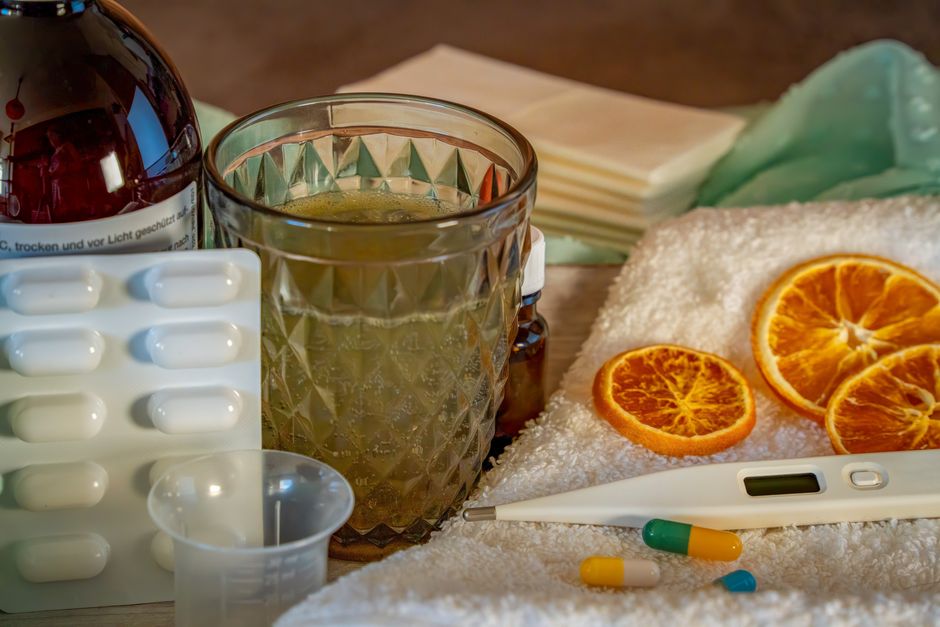
Acid reflux happens when stomach acid flows backward into the esophagus, causing heartburn and irritation. You can prevent it by changing what you eat and how you sleep. Avoid trigger foods like spicy meals, citrus, and fried dishes. Eat smaller meals and do not lie down within three hours of eating. Elevate the head of your bed six to eight inches so gravity keeps acid down. These diet and sleep changes work together to reduce reflux episodes for most people.
What Causes Acid Reflux in the First Place?
Acid reflux occurs when the lower esophageal sphincter — a ring of muscle at the bottom of the esophagus — fails to close properly. This muscle normally acts as a one-way valve. When it relaxes at the wrong time or weakens, stomach contents travel upward.
Several factors make this valve more likely to fail. Excess abdominal pressure from obesity or pregnancy pushes the stomach upward. Certain foods chemically relax the sphincter. Smoking and some medications do the same. Hiatal hernia, where part of the stomach pushes through the diaphragm, also increases risk.
Understanding the mechanism matters because prevention targets the sphincter directly. If you keep it closed, acid stays where it belongs.
Which Foods Trigger Acid Reflux and Which Ones Help?
Some foods directly relax the lower esophageal sphincter. Others increase stomach acid production or slow digestion, giving acid more time to irritate the esophagus.
Common trigger foods include:
- Spicy foods like chili and hot peppers
- Citrus fruits and juices — oranges, lemons, grapefruit
- Tomatoes and tomato-based products
- Fried and fatty foods
- Chocolate and peppermint
- Carbonated beverages
- Coffee and caffeinated drinks
- Alcohol, especially red wine
- Onions and garlic
These foods are not triggers for everyone. Many people find their own pattern through trial and error. Keeping a food diary for two weeks helps identify personal triggers. Write down everything you eat and note when heartburn occurs.
Foods that generally cause fewer problems include lean proteins like chicken and fish, whole grains, non-citrus fruits like bananas and melons, and green vegetables. Oatmeal, ginger, and aloe vera juice have anti-inflammatory properties that some people find soothing, though clinical evidence for aloe vera juice is limited.
One non-obvious point: meal size matters as much as food choice. A large meal stretches the stomach, which puts pressure on the lower esophageal sphincter. Eating five or six small meals spread through the day produces less reflux than three large ones.
How To Prevent Acid Reflux Diet Sleep More: The Complete Approach
The phrase “diet sleep more” captures the two main pillars of reflux prevention. Neither works fully without the other. Diet reduces the amount and acidity of stomach contents. Sleep positioning keeps those contents from rising.
For diet, the three most effective changes are smaller meals, earlier dinners, and trigger food elimination. Aim to finish your last meal at least three hours before bedtime. This gives the stomach time to empty partially before you lie down. A full stomach plus a horizontal position is the most reliable recipe for nighttime reflux.
For sleep, elevation is the key intervention. Raising the head of your bed six to eight inches uses gravity to keep acid in the stomach. Use blocks under the bed frame legs or a wedge pillow. Stacking regular pillows does not work well because it bends the torso at the waist, which increases abdominal pressure. A wedge pillow that raises your entire upper body from the hips is more effective.
Sleeping on your left side also reduces reflux. Research shows that left-side sleeping keeps the junction between the esophagus and stomach above the level of stomach contents. Right-side sleeping makes reflux worse. Back sleeping is neutral but does not provide the benefit of elevation unless the bed itself is raised.




What Lifestyle Changes Reduce Reflux Beyond Diet and Sleep?
Weight loss is one of the most effective long-term strategies. Excess abdominal fat increases pressure inside the abdomen, which pushes stomach contents upward. Studies consistently show that losing even a modest amount of weight reduces reflux symptoms. This is especially true for people with a body mass index in the overweight or obese range.
Quitting smoking improves sphincter function. Nicotine relaxes the lower esophageal sphincter, making reflux more likely. The effect appears within days of stopping.
Alcohol has a double effect. It relaxes the sphincter and increases stomach acid production. Reducing or eliminating alcohol — particularly before bed — helps most people with reflux.
Tight clothing matters more than people expect. Belts, waistbands, and shapewear that compress the abdomen increase intra-abdominal pressure. Loose-fitting clothing around the waist reduces this pressure.
Stress does not directly cause acid reflux, but it can make symptoms feel worse. Stress alters digestion and can increase acid sensitivity. Breathing exercises and other relaxation techniques do not cure reflux but may reduce symptom perception.
When Should You See a Doctor About Acid Reflux?
Occasional heartburn after a large or spicy meal is normal. Frequent reflux — two or more times per week — warrants medical evaluation. This pattern suggests gastroesophageal reflux disease, or GERD, which can damage the esophagus over time.
See a doctor promptly if you experience any of these warning signs:
- Difficulty or pain when swallowing
- Unexplained weight loss
- Chest pain that feels like pressure or squeezing
- Vomiting blood or material that looks like coffee grounds
- Black or tarry stools
- Hoarseness or cough that will not go away
Chest pain should always be evaluated to rule out heart problems before assuming it is reflux. Do not assume chest pain is heartburn without a medical assessment.
Long-term untreated GERD can lead to esophagitis, strictures, and Barrett’s esophagus, a condition that increases esophageal cancer risk. These complications are uncommon but serious. Persistent reflux is not something to manage silently for years without medical oversight.
Do Over-the-Counter and Prescription Medications Help?
Antacids like Tums and Rolaids neutralize existing stomach acid. They work quickly but only for a short time. They are appropriate for occasional, mild heartburn.
H2 blockers like famotidine (Pepcid) reduce acid production. They take effect within about 30 minutes and last several hours. They work well for meal-related reflux when taken before eating.
Proton pump inhibitors like omeprazole (Prilosec), esomeprazole (Nexium), and lansoprazole (Prevacid) block acid production more completely. They are the most effective medications for GERD. They take one to three days to reach full effect and are meant for short-term use unless a doctor directs otherwise.
Long-term PPI use carries some risks, including reduced absorption of certain nutrients and a small increased risk of bone fractures. These risks are modest but real. Do not take PPIs indefinitely without discussing it with your doctor.
Medications treat symptoms but do not address the underlying mechanical problem. Diet and sleep changes remain the foundation of long-term management.
Are There Natural Remedies That Actually Work?
Some natural approaches have reasonable evidence. Ginger has anti-inflammatory properties and some studies suggest it speeds gastric emptying. Chewing sugar-free gum after meals increases saliva production, which neutralizes acid and clears it from the esophagus. These are low-risk additions but not replacements for the core strategies.
Baking soda in water neutralizes acid temporarily and works like an antacid. It is high in sodium and should not be used regularly. Apple cider vinegar is popular on social media but has no clinical evidence supporting it for reflux. In some people it makes symptoms worse by irritating an already inflamed esophagus.
Aloe vera juice and deglycyrrhizinated licorice (DGL) appear in natural health circles. Some small studies suggest benefit, but larger trials have not confirmed it. Neither is harmful in normal amounts, but neither should be considered proven treatment.
Be cautious with any supplement claiming to “cure” reflux. No supplement has demonstrated this in clinical trials. The evidence base for natural reflux remedies is thin compared to diet, sleep positioning, and established medications.
Frequently Asked Questions
How long should I wait after eating before lying down?
Wait at least three hours after your last meal before lying down. This gives your stomach time to empty most of its contents.
Does drinking water help acid reflux?
Water can help wash acid back into the stomach and dilute it temporarily. Drinking a glass of water during a reflux episode provides brief relief but does not prevent future episodes.
Is it better to sleep on your left side or right side for acid reflux?
Left-side sleeping is better because it keeps the stomach below the esophagus, making reflux less likely. Right-side sleeping increases reflux frequency.
Can losing weight stop acid reflux completely?
Weight loss can eliminate reflux symptoms in many people, especially those with excess abdominal weight. It does not guarantee a cure, but it is one of the most effective long-term strategies.
