
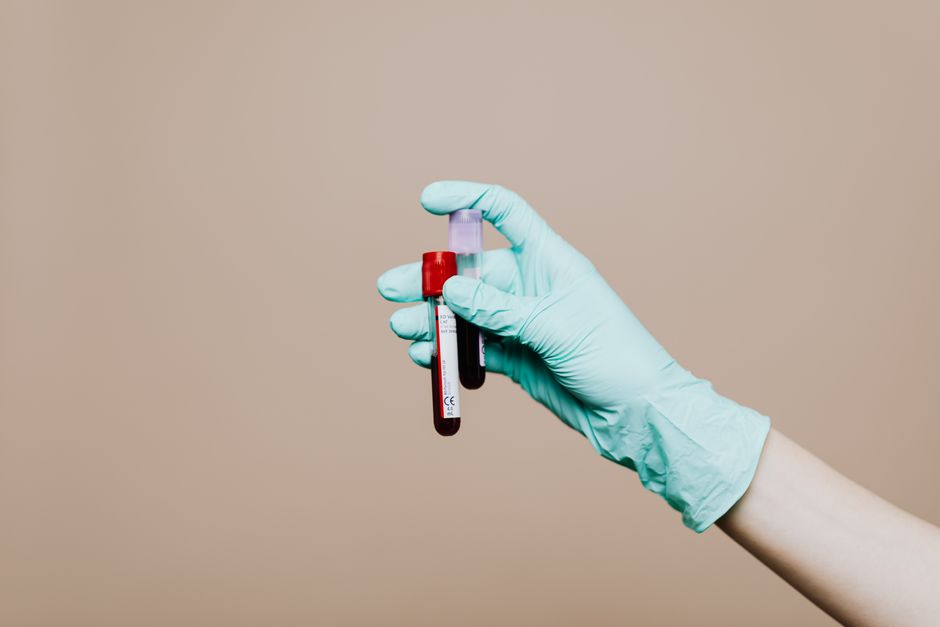
A liver blood test called LFTs stands for liver function tests. It is a group of blood tests that check how well your liver is working. Doctors order these tests to screen for liver damage, monitor liver disease, or check for side effects from medications. The test measures specific enzymes and proteins in your blood that tell a story about your liver’s health.
What Is A Liver Blood Test Called Lfts Explained
Liver function tests are a panel of blood tests, not a single test. The panel usually includes measurements of enzymes like ALT, AST, ALP, and GGT, plus proteins like albumin and bilirubin. Each measurement gives different information about liver health.
When liver cells are damaged, they leak enzymes into your bloodstream. When the liver is not making enough proteins, your blood levels of those proteins drop. When bilirubin builds up because the liver cannot process it, your skin and eyes may turn yellow. The pattern of these results helps your doctor identify what type of liver problem you might have.
What Do The Individual Tests Measure?
Each part of the liver panel looks at a different function. ALT and AST are enzymes found inside liver cells. High levels suggest liver cell injury. ALT is more specific to the liver. AST can come from muscle, heart, or other organs too.
ALP is an enzyme found in the bile ducts. High ALP levels can suggest bile flow problems. GGT is another enzyme linked to bile ducts. GGT also rises with alcohol use. Albumin is a protein made by the liver. Low albumin levels can mean the liver is not making enough proteins. Bilirubin is a waste product the liver processes. High bilirubin causes jaundice.
The ratio of AST to ALT can give clues. In alcoholic liver disease, AST is often higher than ALT. In viral hepatitis, ALT is usually higher than AST. Your doctor looks at the whole pattern, not just one number.
Why Would A Doctor Order An LFT?
Doctors order liver function tests for many reasons. You might have symptoms like fatigue, nausea, abdominal pain, or yellowing of the skin. You might have a condition that puts you at risk for liver disease, such as diabetes or obesity. You might take a medication known to affect the liver, like certain cholesterol drugs or pain relievers.
LFTs are also part of routine physical exams. Many doctors include them in standard blood work. They are also ordered before starting certain medications to establish a baseline. If you have hepatitis B or C, your doctor will monitor your LFTs regularly to track the disease.
Heavy alcohol use is another common reason. If your doctor suspects alcohol-related liver damage, LFTs help confirm the extent of the problem. The tests also help monitor people who have cirrhosis or other chronic liver conditions.




What Do Abnormal Results Mean?
Abnormal LFT results do not automatically mean you have liver disease. Many things can cause temporary elevations. Strenuous exercise can raise AST levels. Some medications can cause mild enzyme elevations that return to normal when you stop the drug. Fatty liver disease is now the most common cause of mildly elevated liver enzymes in the United States.
Your doctor will look at how high the levels are and which tests are abnormal. A mild elevation of one enzyme might just mean you need to repeat the test. Large elevations of multiple enzymes suggest more significant liver injury. The pattern helps narrow down the cause.
If your results are abnormal, your doctor may order additional tests. These can include imaging like an ultrasound or a liver biopsy. Sometimes the test needs to be repeated after a period of avoiding alcohol or certain medications. Do not panic if your results are slightly abnormal. Many people have mild elevations with no serious underlying disease.
How Should You Prepare For An LFT?
Preparation for liver function tests is usually simple. Some doctors ask you to fast for 8 to 12 hours before the blood draw. This is because food can affect some of the measurements, particularly triglycerides if they are tested at the same time. Water is usually fine to drink.
Tell your doctor about all medications you take, including over-the-counter drugs and supplements. Some substances affect liver enzyme levels. Acetaminophen, certain antibiotics, and herbal supplements can all influence results. Your doctor may ask you to stop certain medications before the test, but never stop a prescription medication without discussing it with your doctor first.
Avoid alcohol for at least 24 hours before the test. Alcohol can raise GGT and other enzyme levels. The blood draw itself takes only a few minutes. A technician draws blood from a vein in your arm. You can resume normal activities immediately after.
How Are LFT Results Interpreted?
Normal ranges vary slightly between laboratories. The reference range printed on your lab report is specific to that lab. Your doctor interprets your results based on your age, sex, and medical history. A result slightly outside the normal range does not always mean something is wrong.
Here is a general guide to what the main tests measure:
- ALT — an enzyme found mainly in liver cells. High levels suggest liver cell damage.
- AST — an enzyme found in liver, muscle, and heart. High levels can indicate liver damage or other tissue injury.
- ALP — an enzyme found in bile ducts. High levels suggest bile flow obstruction.
- GGT — an enzyme linked to bile ducts and alcohol use. High levels can indicate bile duct problems or alcohol-related liver disease.
- Albumin — a protein made by the liver. Low levels suggest the liver is not making enough protein.
- Bilirubin — a waste product processed by the liver. High levels cause jaundice.
Your doctor looks at the pattern of these results together. A single abnormal value is less concerning than multiple abnormal values. The trend over time also matters. Stable mild elevations are different from rapidly rising levels.
What Conditions Can LFTs Detect?
Liver function tests can help identify several conditions. Fatty liver disease is common and often shows up as mildly elevated ALT and AST. Hepatitis B and C cause elevated liver enzymes, sometimes dramatically. Cirrhosis shows up as low albumin and elevated bilirubin. Bile duct obstruction raises ALP and GGT. Liver cancer can cause abnormal LFTs, though imaging is needed for diagnosis.
The tests also monitor disease progression. Someone with chronic hepatitis gets regular LFTs to see if the disease is getting worse. Someone taking a medication that affects the liver gets periodic LFTs to catch problems early. Someone with cirrhosis has LFTs to track how well the liver is functioning over time.
LFTs are screening tools, not diagnostic tests. An abnormal result tells your doctor that something needs further investigation. The next step might be imaging, a biopsy, or more specific blood tests to identify the exact cause.
What Are The Limitations Of LFTs?
Liver function tests have important limitations. They can be normal even when liver damage is present. Early liver disease may not show up on LFTs. Conversely, abnormal results can occur without significant liver disease. The tests are sensitive but not always specific.
Some people have chronically elevated enzymes with no identifiable cause. This is called nonspecific elevation. Others have normal enzymes despite having cirrhosis. This is why doctors do not rely on LFTs alone. They combine blood test results with imaging, physical exam findings, and your medical history.
The term “liver function tests” is somewhat misleading. The tests measure enzymes and proteins, not actual liver function in real time. A more complete assessment of liver function might include tests for clotting factors or ammonia levels, but these are not always part of the standard panel.
Frequently Asked Questions
How long does it take to get LFT results?
Most LFT results come back within 24 to 48 hours. Some labs provide results the same day.
Can I drink water before a liver function test?
Yes, water is usually allowed before LFTs. Your doctor will tell you if fasting is required.
Do I need to fast before an LFT blood test?
Some doctors recommend fasting for 8 to 12 hours before the test. Follow your doctor’s specific instructions.
Can medications affect liver function test results?
Yes, many medications can affect LFT results. Tell your doctor about all medications and supplements you take.
