
INR stands for International Normalized Ratio. It is a blood test result that measures how long it takes your blood to clot. In nursing, the INR is a critical tool used to monitor patients who take blood-thinning medications, especially warfarin. It tells healthcare providers if a patient’s blood is clotting too quickly, too slowly, or at a safe, therapeutic level.
What Does the INR Test Actually Measure?
The INR is a standardized version of a test called the prothrombin time, or PT test. The PT test measures the seconds it takes for blood plasma to clot after certain substances are added. The problem is that different labs use different reagents, so a PT of 20 seconds in one lab might be 18 seconds in another.
The INR was created to solve this problem. It takes the PT result and adjusts it using a standard formula. This makes the result comparable no matter which lab runs the test. For nursing, this standardization means a nurse in a small clinic can interpret an INR the same way as a nurse in a large hospital.
For a healthy person not taking blood thinners, a normal INR is typically between 0.9 and 1.1. This range represents normal clotting function. The body can form clots appropriately without bleeding excessively.
Why Do Nurses Monitor INR for Patients on Warfarin?
Warfarin is a medication that prevents blood clots from forming. It works by blocking vitamin K, which the liver needs to make certain clotting factors. Without these factors, the blood takes longer to clot. This is desirable for patients at risk of strokes, deep vein thrombosis, or pulmonary embolisms.
But warfarin requires precise dosing. Too little warfarin means the blood still clots too easily, leaving the patient at risk for dangerous clots. Too much warfarin means the blood cannot clot well enough, putting the patient at risk for serious bleeding. The INR is the only reliable way to know where a patient falls on that spectrum.
Nurses use the INR to guide daily warfarin dosing. Most patients on warfarin for conditions like atrial fibrillation or a previous blood clot have a target INR between 2.0 and 3.0. Some patients with mechanical heart valves have a higher target, usually between 2.5 and 3.5. These targets are established by clinical guidelines and are considered standard care.
When a patient’s INR is below the target range, the nurse may notify the provider to increase the warfarin dose. When the INR is above the target range, the dose may be held or decreased. This is a continuous balancing act that requires regular blood draws and careful documentation.
What Is a Dangerous INR Level?
An INR above 4.0 is considered dangerous and carries a significant risk of bleeding. At this level, even minor injuries can cause serious blood loss. Patients may experience nosebleeds, bleeding gums, blood in the urine or stool, or unexplained bruising.
An INR above 5.0 is considered a medical emergency. The risk of major bleeding, including intracranial hemorrhage, rises sharply at this level. Nurses are trained to recognize this as a critical lab value that requires immediate action. The provider may order vitamin K to reverse the effects of warfarin, or in severe cases, fresh frozen plasma.
It is important to understand that the “safe” INR range depends entirely on why the patient is taking warfarin. An INR of 2.5 is therapeutic for most patients, but it would be dangerously high for someone not on blood thinners. The clinical context always matters.




How Often Should INR Be Checked?
The frequency of INR testing depends on how stable the patient’s levels are. When a patient first starts warfarin, the INR may be checked every few days until it reaches the target range. Once stable, testing may drop to once a month.
Patients who have fluctuating INRs or who are taking medications that interact with warfarin may need more frequent testing. Many medications, including common antibiotics and over-the-counter pain relievers, can affect how warfarin works. Dietary changes, especially in vitamin K intake, can also shift the INR.
Nurses often educate patients about the importance of keeping a consistent diet while on warfarin. Vitamin K is found in leafy green vegetables like spinach, kale, and broccoli. Eating a sudden large amount of these foods can lower the INR, while suddenly cutting them out can raise it. The goal is not to avoid these foods entirely but to keep the intake consistent from week to week.
What Factors Can Cause an Abnormal INR?
Many things can push the INR out of the target range. Understanding these factors is a core part of nursing care for patients on warfarin.
- Medication interactions: Antibiotics, antifungals, and some heart medications can increase the INR. Other drugs, like certain seizure medications, can decrease it.
- Dietary changes: Large shifts in vitamin K intake alter the INR. Alcohol use, especially binge drinking, can also affect it.
- Liver function: The liver produces clotting factors. Liver disease can impair this production and raise the INR.
- Illness: Fever, diarrhea, and vomiting can change how the body absorbs and processes warfarin.
- Missed doses: Skipping a dose of warfarin will lower the INR over time, increasing clot risk.
Nurses ask about all of these factors when reviewing an abnormal INR. The lab value alone does not explain why the level changed. The nurse must gather information about the patient’s recent medications, diet, and health status to help the provider make the right dosing decision.
How Do Nurses Draw and Handle INR Blood Samples?
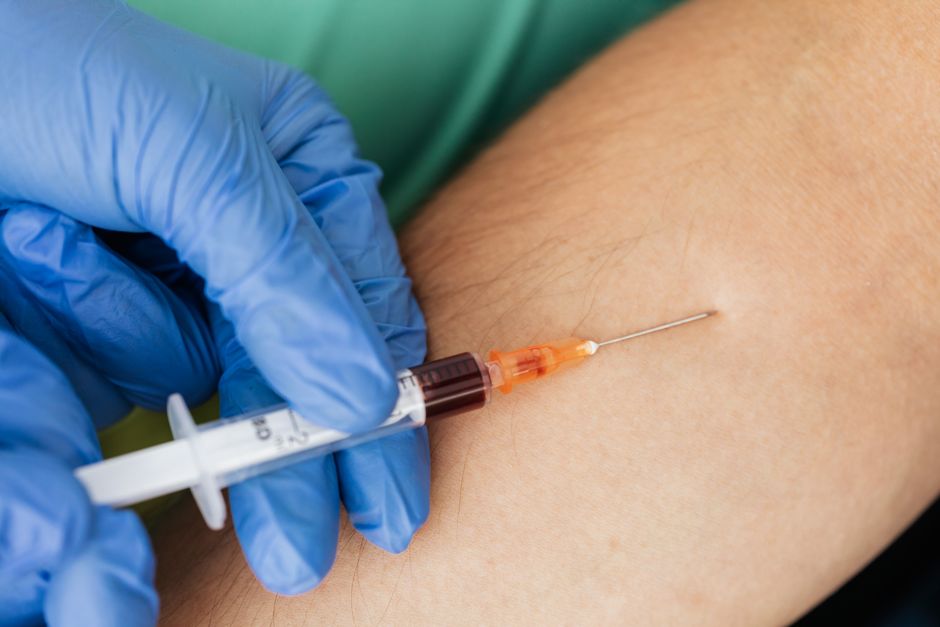
INR testing requires a blood sample, typically drawn from a vein in the arm. The blood is collected in a tube containing a chemical called sodium citrate, which prevents the blood from clotting before it reaches the lab. The tube must be filled to the exact line marked on it. An underfilled or overfilled tube can produce inaccurate results.
Some clinics and hospitals use point-of-care INR monitors. These devices test a small drop of blood from a fingerstick and provide results in about one minute. This technology allows nurses to adjust warfarin doses during a single clinic visit instead of waiting for lab results.
Point-of-care INR testing is widely used but it is not identical to lab testing. Slight differences can exist between devices and standard laboratory methods. Most clinical guidelines accept these small differences as clinically insignificant, but nurses are trained to use the same method consistently for each patient to track trends accurately.
What Should Patients Know About Their INR?
Patients on warfarin should know their target INR range and understand what their current number means. Nurses play a key role in teaching this. A patient who understands that an INR of 2.5 is therapeutic, while an INR of 4.5 is dangerous, is better equipped to report symptoms and follow instructions.
Patients should also know the warning signs of bleeding. These include unusual bruising, bleeding that does not stop quickly, dark or tarry stools, blood in urine, coughing up blood, and severe headaches. Any of these symptoms should be reported to a healthcare provider immediately.
Patients should not double a warfarin dose if they miss one. Taking extra warfarin can spike the INR and cause bleeding. The best approach is to contact the healthcare provider or anticoagulation clinic for specific instructions.
It is also worth noting that some patients now take newer blood thinners like apixaban or rivaroxaban. These medications do not require routine INR monitoring. The INR remains essential specifically for warfarin management, and warfarin is still widely used due to its low cost and long track record.
Frequently Asked Questions
What is a normal INR for a person not on blood thinners?
A normal INR for someone not taking anticoagulant medication is between 0.9 and 1.1. This represents normal blood clotting function.
What INR level requires immediate medical attention?
An INR above 4.0 carries a high bleeding risk, and an INR above 5.0 is considered a medical emergency. Seek immediate care if your INR is this high or if you have any signs of bleeding.
Can food affect my INR level?
Yes. Foods high in vitamin K, like spinach and kale, can lower your INR. The key is to keep your vitamin K intake consistent from day to day rather than avoiding these foods completely.
How often do I need my INR checked?
It depends on how stable your levels are. When starting warfarin, testing may occur every few days. Once your INR is consistently in range, testing is often done monthly.
