
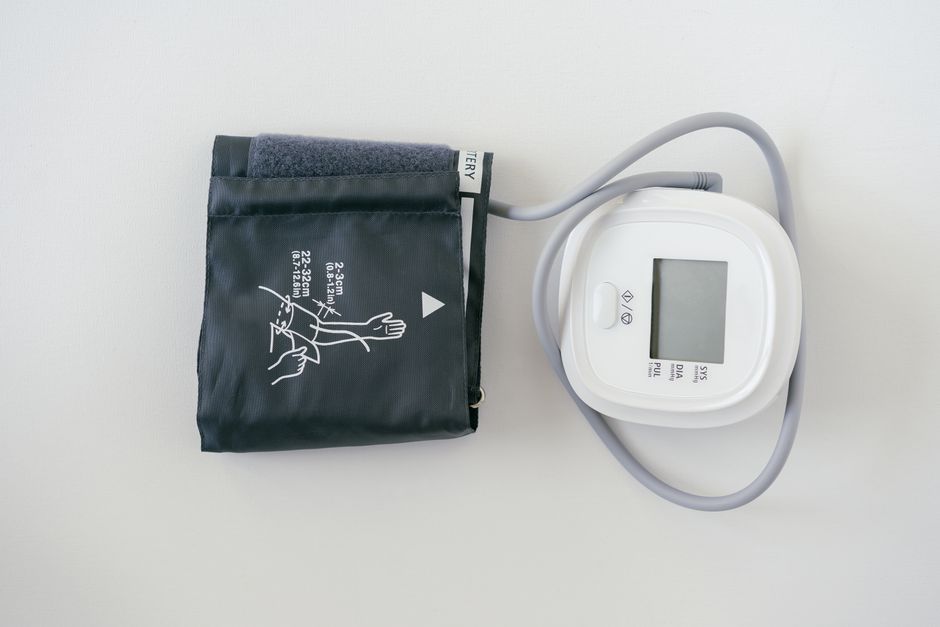
Lithium is a medication best known for treating bipolar disorder, not blood pressure. However, some research has looked at whether lithium could affect blood pressure, and the answer is more complicated than a simple yes or no. The short answer is that lithium is not used to treat high blood pressure, and its effects on blood pressure can vary from person to person. In some cases, lithium may even cause blood pressure to rise, which is why it requires careful monitoring.
What Is Lithium and How Does It Work in the Body?
Lithium is a naturally occurring element that has been used in medicine for decades. It is primarily prescribed as a mood stabilizer for people with bipolar disorder. It helps reduce the severity and frequency of manic episodes, and it can also help prevent depressive episodes.
Lithium works by affecting certain chemicals in the brain called neurotransmitters. It also influences how nerve cells communicate with each other. These effects are complex and not fully understood, even by researchers who study lithium closely.
What matters for blood pressure is that lithium affects the kidneys. The kidneys help regulate blood pressure by controlling how much fluid and salt stay in the body. Lithium changes how the kidneys handle sodium and water, which can indirectly influence blood pressure.
Can Lithium Lower Blood Pressure Risks Explained
There is no strong clinical evidence that lithium lowers blood pressure in people with hypertension. Some older studies suggested lithium might have a mild blood pressure-lowering effect in certain individuals, but these findings were not consistent. Modern clinical practice does not use lithium as a treatment for high blood pressure.
In fact, lithium can raise blood pressure in some people. This happens because lithium can affect kidney function and hormone levels that control blood pressure. When lithium levels in the blood become too high, it can cause a condition called lithium toxicity, which can lead to dangerous increases in blood pressure.
For people already taking lithium for bipolar disorder, blood pressure changes are possible but not predictable. Some people see no change at all. Others may see a slight increase. A small number may see a decrease. This variability is why doctors do not consider lithium a reliable tool for managing blood pressure.
How Lithium Affects the Kidneys and Blood Pressure
The kidneys play a central role in long-term blood pressure control. They filter the blood, remove waste, and balance sodium and water. When the kidneys hold onto too much sodium and water, blood volume increases, and blood pressure goes up.
Lithium competes with sodium in the kidneys. The kidney tubules treat lithium similarly to sodium, which means lithium can interfere with normal sodium handling. This interference can lead to changes in fluid balance that might affect blood pressure.
Over time, lithium can also reduce the kidneys’ ability to concentrate urine. This means the body loses more water than it should. In some people, this leads to dehydration, which can trigger a drop in blood pressure. In others, the body compensates in ways that raise blood pressure.
These effects are dose-dependent. Higher lithium levels in the blood cause more pronounced kidney effects. This is why doctors monitor lithium blood levels regularly. The therapeutic range is narrow, and staying within that range is essential for both safety and effectiveness.


Lithium Toxicity and Blood Pressure
Lithium toxicity is a medical emergency. It occurs when lithium levels in the blood become too high. This can happen from taking too much lithium, from dehydration, or from interactions with other medications.
One of the signs of lithium toxicity is high blood pressure. Other symptoms include confusion, slurred speech, tremors, vomiting, and muscle weakness. In severe cases, lithium toxicity can cause seizures, coma, or death.
Anyone taking lithium should know the signs of toxicity. If these symptoms appear, medical help is needed immediately. Blood pressure changes alone are not enough to diagnose lithium toxicity, but they can be part of the picture.
Dehydration is a common trigger for lithium toxicity. When the body loses too much water, lithium levels in the blood rise because there is less fluid to dilute it. This is why people on lithium are advised to drink plenty of fluids, especially in hot weather or during illness.
What the Research Says About Lithium and Blood Pressure
Research on lithium and blood pressure is limited. Most studies involving lithium focus on its psychiatric effects, not its cardiovascular effects. Blood pressure changes are often reported as side effects rather than studied as primary outcomes.
Some research suggests that lithium may have a slight blood pressure-lowering effect in people with normal blood pressure. However, these findings come from small studies and are not strong enough to support any clinical use. Other studies have found the opposite, with some patients experiencing elevated blood pressure while on lithium.
The evidence is mixed, and the overall picture is unclear. What is clear is that lithium is not a blood pressure medication. It does not have the reliable, predictable blood pressure-lowering effects that established antihypertensive drugs have.
No clinical guidelines recommend lithium for blood pressure management. If you have high blood pressure and are considering lithium, that decision should be made with your doctor for reasons related to mood disorders, not blood pressure.
Blood Pressure Medications That Are Proven to Work
If you are looking to lower your blood pressure, there are medications with strong evidence behind them. These are the drugs your doctor is likely to prescribe, and they work through well-understood mechanisms.
Common classes of blood pressure medications include:
- ACE inhibitors — relax blood vessels by blocking the formation of a hormone that narrows them
- ARBs — block the same hormone from binding to blood vessel receptors
- Calcium channel blockers — prevent calcium from entering heart and blood vessel muscle cells, which relaxes vessels
- Diuretics — help the kidneys remove excess sodium and water, reducing blood volume
- Beta blockers — slow the heart rate and reduce the force of heart contractions
These medications have been studied in large clinical trials involving thousands of patients. They have been shown to reduce blood pressure and, importantly, reduce the risk of heart attack, stroke, and kidney damage. Lithium has no comparable evidence for blood pressure outcomes.
Lifestyle Changes That Lower Blood Pressure
Medication is not the only way to manage blood pressure. Lifestyle changes can be just as important, and for some people, they may be enough to avoid medication entirely.
The DASH diet, which stands for Dietary Approaches to Stop Hypertension, is one of the most studied dietary patterns for blood pressure. It emphasizes fruits, vegetables, whole grains, lean protein, and low-fat dairy. It also limits sodium, saturated fat, and added sugar.
Reducing sodium intake is one of the most effective dietary changes for blood pressure. Most adults should aim for less than 2,300 milligrams of sodium per day, and ideally around 1,500 milligrams for people with high blood pressure. This is easier said than done, since most sodium in the American diet comes from processed and restaurant foods.
Regular physical activity also lowers blood pressure. Aerobic exercise, such as brisk walking, swimming, or cycling, is particularly effective. The general recommendation is at least 150 minutes of moderate-intensity exercise per week.
Limiting alcohol, quitting smoking, and managing stress are additional strategies. These changes work together, and their combined effect can be significant.
When to Talk to Your Doctor
If you are taking lithium and have concerns about your blood pressure, talk to your doctor. Do not stop taking lithium on your own. Stopping lithium suddenly can trigger a relapse of mood symptoms, and it can be dangerous.
Your doctor can check your blood pressure and your lithium levels. They can also review your other medications, since some drugs interact with lithium and affect blood pressure. These interactions are common and manageable, but they require medical oversight.
If you have high blood pressure and are not currently on lithium, this medication is not a treatment option for you. There are many proven medications and lifestyle strategies that work. Lithium is not one of them.
Frequently Asked Questions
Can lithium cause high blood pressure?
Yes, lithium can raise blood pressure in some people, especially at higher doses or when blood levels become toxic. This is not a universal effect, but it is a known possibility that doctors monitor.
Is lithium ever prescribed for high blood pressure?
No, lithium is not prescribed for high blood pressure in any clinical setting. Its blood pressure effects are inconsistent and not strong enough to be useful as a treatment.
How does lithium affect blood pressure medication?
Lithium can interact with some blood pressure medications, particularly diuretics and ACE inhibitors. These interactions can raise lithium levels in the blood, increasing the risk of toxicity.
Should people on lithium monitor their blood pressure?
Yes, regular blood pressure monitoring is reasonable for anyone taking lithium. This is especially important if you have other risk factors for high blood pressure or are taking other medications that affect blood pressure.
