

Blood pressure is the force of blood pushing against the walls of your arteries, and a reading below 120/80 mm Hg is generally considered normal for most adults. The top number, called systolic pressure, measures the force when your heart beats. The bottom number, called diastolic pressure, measures the force between beats when your heart rests.
Those two numbers tell a doctor a lot about your cardiovascular health. But what counts as “good” can shift depending on your age, other health conditions, and whether you are taking blood pressure medication. Understanding the full range — not just one target number — helps you and your doctor make better decisions.
What Do the Numbers in a Blood Pressure Reading Mean?
The systolic number comes first and the diastolic number comes second. A reading of 118/76 means a systolic pressure of 118 and a diastolic pressure of 76.
Systolic pressure reflects the peak force your heart generates when it contracts and pushes blood out. Diastolic pressure reflects the resting pressure in your arteries between beats. Both matter, but for adults over 50, systolic pressure tends to be the stronger predictor of cardiovascular problems. That is because arteries stiffen with age, which raises systolic pressure more than diastolic pressure.
Blood pressure is measured in millimeters of mercury, written as mm Hg. This unit is a holdover from the original mercury-based measuring devices, but it is still the standard today.
A single reading does not define your blood pressure status. It fluctuates throughout the day — rising with stress, exercise, caffeine, and even the act of talking. Doctors typically diagnose high blood pressure based on the average of multiple readings taken on separate occasions.
What Blood Pressure Is Good? Ranges Explained
The American Heart Association and the American College of Cardiology define blood pressure categories for adults. These categories apply to adults who are not taking blood pressure medication and who do not have an acute illness.
| Category | Systolic (mm Hg) | Diastolic (mm Hg) | |
|---|---|---|---|
| Normal | Less than 120 | and | Less than 80 |
| Elevated | 120–129 | and | Less than 80 |
| Stage 1 hypertension | 130–139 | or | 80–89 |
| Stage 2 hypertension | 140 or higher | or | 90 or higher |
| Hypertensive crisis | Higher than 180 | and/or | Higher than 120 |
Notice the word “or” in the hypertension rows. If either number falls into a higher category, you are classified in that category. For example, a reading of 118/85 is Stage 1 hypertension because the diastolic number is 85, even though the systolic number is normal.
The “elevated” category is worth paying attention to. It is not hypertension yet, but it signals that blood pressure is trending in the wrong direction. Without changes, elevated blood pressure often progresses to hypertension over time.
A hypertensive crisis reading — above 180/120 — is a medical emergency if it is confirmed by a second reading after a few minutes of rest. Call 911 or go to an emergency room. Do not wait to see if it comes down on its own.
Does the “Good” Range Change With Age?
For most adults, the same categories apply regardless of age. But the clinical approach to treatment can differ.
Systolic pressure naturally rises with age as arteries lose elasticity. Diastolic pressure tends to rise until about age 50, then may level off or even decline as the arteries stiffen further. This means older adults often develop what is called isolated systolic hypertension — a high systolic number with a normal or even low diastolic number.
For adults 65 and older, some clinical guidelines suggest a systolic target of less than 130 mm Hg if it can be reached without causing dizziness, falls, or other side effects. This is a change from older guidance that used a threshold of 140 or 150 for this age group. The shift came after research showed that tighter control reduced cardiovascular events in older adults, though the benefit must be weighed against the risk of low blood pressure symptoms.
For adults under 65, a target of less than 130/80 mm Hg is commonly recommended for those being treated for hypertension.
In people over 80 or those who are frail, the balance shifts. Aggressive lowering can cause problems, and some clinicians accept slightly higher targets. This is a conversation to have with a doctor who knows your full health picture.


What About Blood Pressure in Pregnancy?
Normal blood pressure ranges during pregnancy are generally the same as for non-pregnant adults — below 120/80 mm Hg. However, what counts as concerning during pregnancy follows different clinical guidelines.
A reading of 140/90 mm Hg or higher during pregnancy is considered high and needs prompt medical evaluation. It can be a sign of gestational hypertension or preeclampsia, a serious condition that affects both the mother and the baby.
Blood pressure normally drops slightly during the second trimester and returns to pre-pregnancy levels by the third. If you are pregnant and your readings are consistently at or above 140/90, contact your doctor. Do not wait for your next scheduled appointment.
What Causes Blood Pressure to Move Out of the Good Range?
For most people with high blood pressure, there is no single cause. It develops gradually from a combination of genetics, age, and lifestyle factors.
Factors that raise blood pressure include:
- Excess body weight, particularly around the waist
- A diet high in sodium and low in potassium
- Physical inactivity
- Chronic stress
- Smoking and excessive alcohol consumption
- Certain medications, including some decongestants, NSAIDs, and oral contraceptives
- Conditions such as sleep apnea, kidney disease, and thyroid disorders
In a minority of cases — perhaps 5 to 10 percent of adults with hypertension — there is a specific underlying cause such as a hormone disorder or narrowing of the arteries leading to the kidneys. This is called secondary hypertension. It is more likely to be suspected when blood pressure is very high, appears suddenly, or does not respond to standard treatment.
How Is Blood Pressure Measured Accurately?
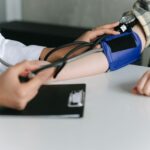
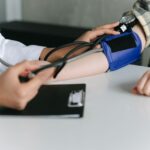
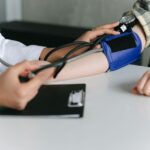
Getting an accurate reading matters as much as knowing the numbers. A few common mistakes can push a reading up by 10 to 20 mm Hg.
To get a reliable measurement:
- Sit quietly for five minutes before the reading
- Keep your back supported and feet flat on the floor
- Rest your arm on a flat surface at heart level
- Do not talk during the measurement
- Use a cuff that fits your arm — a cuff that is too small can falsely raise the reading
- Avoid caffeine, exercise, and smoking for at least 30 minutes beforehand
- Empty your bladder first
At-home monitors can be useful, but only if they are validated and the cuff fits correctly. Bring your home monitor to a doctor’s visit and compare it against the office reading. If the two differ by more than a few points, the home device may need to be replaced or recalibrated.
Some people have what is called white coat hypertension — blood pressure that reads high in a medical setting but is normal at home. Others have masked hypertension, where the opposite happens: normal in the office, high at home. Both patterns are common enough that home monitoring or a 24-hour ambulatory monitor may be recommended.
When Should You Be Concerned About a Reading?
A single high reading is not a diagnosis. Blood pressure varies throughout the day, and one elevated measurement can happen for many reasons.
But certain patterns warrant attention:
- Readings consistently at or above 130/80 mm Hg on multiple occasions
- A sudden jump in readings that were previously normal
- Readings above 180/120 mm Hg — seek emergency care immediately
- High readings accompanied by chest pain, shortness of breath, severe headache, vision changes, or difficulty speaking
High blood pressure is often called the “silent killer” because it typically produces no symptoms until damage has already occurred. That is why regular monitoring matters — you cannot feel whether your blood pressure is in a good range.
The damage from uncontrolled high blood pressure accumulates over years. It affects the heart, brain, kidneys, eyes, and blood vessels throughout the body. Stroke, heart attack, heart failure, kidney disease, and vision loss are all linked to sustained high blood pressure.
Frequently Asked Questions
What is a good blood pressure reading?
A good blood pressure reading for most adults is below 120/80 mm Hg. Readings between 120–129 systolic with diastolic below 80 are considered elevated and worth monitoring.
Is 140/90 considered high blood pressure?
Yes. A reading of 140/90 mm Hg or higher falls into Stage 2 hypertension under current guidelines. If either number reaches that level on repeated readings, see a doctor.
Can blood pressure be too low?
Yes. Blood pressure below 90/60 mm Hg is generally considered low, though some healthy people naturally run in that range without problems. It becomes a concern when it causes dizziness, fainting, or fatigue.
How often should I check my blood pressure?
If your readings are normal, checking at least once a year at a medical visit is reasonable. If you have elevated or high readings, your doctor may recommend checking at home more often.
