
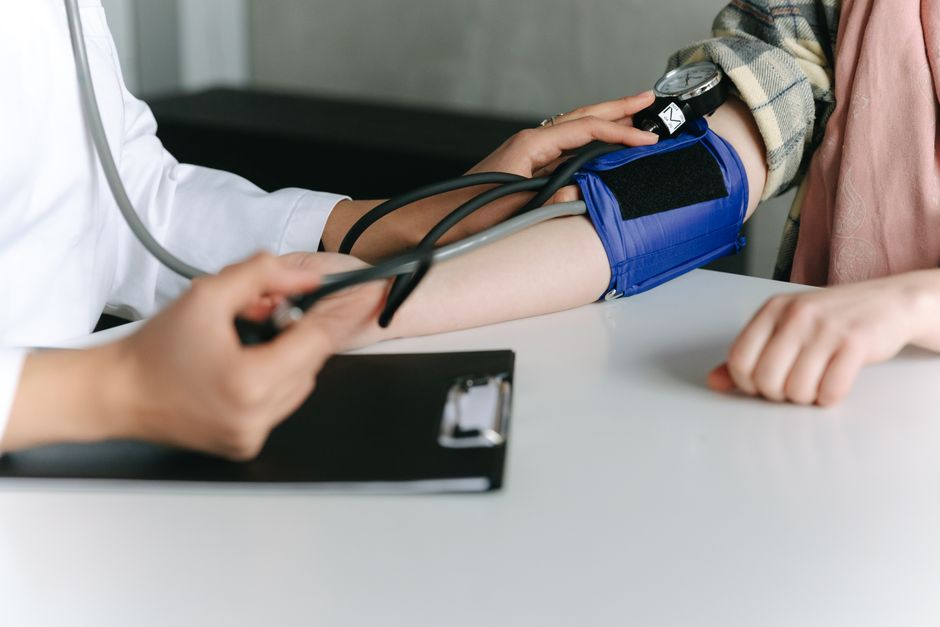
A healthy blood pressure for a woman is below 120/80 mm Hg. This is the same target used for men. Readings of 120 to 129 systolic with diastolic below 80 are considered elevated. A diagnosis of high blood pressure, or hypertension, starts at 130/80 mm Hg or higher. These numbers come from the American College of Cardiology and American Heart Association guidelines, which apply to all adults regardless of sex.
What Is a Healthy Blood Pressure for a Woman?
A healthy blood pressure for a woman is less than 120 mm Hg systolic and less than 80 mm Hg diastolic. This is often written as “120/80” and called normal blood pressure. Systolic is the pressure when the heart beats. Diastolic is the pressure when the heart rests between beats.
Blood pressure categories are the same for women and men in the United States. The table below shows the standard ranges based on the ACC/AHA 2017 guidelines.
| Category | Systolic (mm Hg) | Diastolic (mm Hg) |
|---|---|---|
| Normal | Less than 120 | Less than 80 |
| Elevated | 120 – 129 | Less than 80 |
| Stage 1 Hypertension | 130 – 139 | 80 – 89 |
| Stage 2 Hypertension | 140 or higher | 90 or higher |
| Hypertensive Crisis | 180 or higher | 120 or higher |
If either number is in a higher category, the person is classified in that higher category. For example, a reading of 125/85 is stage 1 hypertension because the diastolic is 85.
Does Blood Pressure Differ Between Men and Women?
The target numbers are the same, but blood pressure patterns differ by sex. Before menopause, women tend to have lower blood pressure on average than men of the same age. After menopause, women’s blood pressure often rises and can surpass men’s.
Estrogen helps blood vessels relax and stay flexible. When estrogen levels drop during menopause, blood vessels can become stiffer. This contributes to higher systolic pressure. Some research suggests that women may develop hypertension at an older age than men, but once they do, it may be harder to control.
Despite these differences, the same diagnostic thresholds apply. A woman with a blood pressure of 135/85 has stage 1 hypertension, regardless of age or menstrual status.
How Does Blood Pressure Change Throughout a Woman’s Life?
Blood pressure naturally increases with age. For women, certain life stages bring additional changes.
Young adulthood. Women in their 20s and 30s typically have lower blood pressure than men. Oral contraceptives can raise blood pressure in some women. Women with a history of high blood pressure or who smoke should discuss options with their doctor.
Pregnancy. Blood pressure normally drops in the first trimester and rises again in the third. If blood pressure stays high during pregnancy, it may be chronic hypertension or gestational hypertension. Preeclampsia is a serious condition that includes high blood pressure and protein in the urine after 20 weeks. It requires immediate medical care.
Perimenopause and menopause. Blood pressure often rises during the transition to menopause. Some women who had normal readings before may develop elevated or high blood pressure for the first time.
Older age. After age 65, women are more likely than men to have hypertension. Isolated systolic hypertension—where only the top number is high—is common in older women.

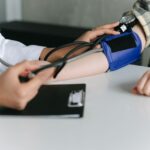
How Is Blood Pressure Measured Accurately?
Getting a correct reading matters more than most people realize. Small mistakes can change the number by 5 to 10 points.
- Sit quietly for at least 5 minutes before the measurement. Do not talk.
- Rest your feet flat on the floor. Do not cross your legs.
- Support your arm at heart level on a table or armrest.
- Use a proper cuff size. A cuff that is too small gives a falsely high reading.
- Empty your bladder first. A full bladder can raise systolic pressure by 10 points.
- Avoid caffeine, exercise, and smoking for 30 minutes before the test.
If a reading is high, it should be repeated after a few minutes of quiet rest. For diagnosis, doctors often use an average of two or more readings from separate visits. Some people have white coat hypertension—high readings in the doctor’s office but normal readings at home. Home monitoring can help clarify this.
When Should a Woman Be Concerned About Her Blood Pressure?
High blood pressure rarely causes symptoms until it is dangerously high. That is why it is called the silent killer. Many women have hypertension for years without knowing it.
A reading of 180/120 or higher is a hypertensive crisis. This requires immediate medical attention. Symptoms that may occur include severe headache, chest pain, shortness of breath, vision changes, or nosebleeds. But many people have no symptoms even at these levels.
The American Heart Association recommends that all adults have their blood pressure checked at least once every two years if it is normal. If it is elevated or high, more frequent checks are needed. Women with risk factors such as obesity, a family history of hypertension, or a personal history of preeclampsia should monitor more often.
Uncontrolled high blood pressure damages arteries over time. It increases the risk of heart attack, stroke, kidney disease, and cognitive decline. Keeping blood pressure in the normal range reduces these risks.
Can Lifestyle Changes Help Maintain Healthy Blood Pressure?
Yes, lifestyle changes are effective for both preventing and treating high blood pressure. They can sometimes delay or reduce the need for medication.
Reduce sodium. The American Heart Association recommends no more than 2,300 mg of sodium per day, with an ideal limit of 1,500 mg for most adults, especially those with high blood pressure. Processed foods are the largest source of sodium, not the salt shaker.
Follow the DASH diet. The Dietary Approaches to Stop Hypertension (DASH) diet is rich in fruits, vegetables, whole grains, and low-fat dairy. It is low in saturated fat and cholesterol. Clinical trials show it can lower systolic blood pressure by 8 to 14 points.
Maintain a healthy weight. Losing even 5 to 10 pounds can lower blood pressure in people who are overweight. Waist circumference matters: excess belly fat raises risk.
Exercise regularly. The American Heart Association recommends at least 150 minutes of moderate-intensity aerobic activity per week, such as brisk walking. This can lower systolic pressure by 5 to 8 mm Hg.
Limit alcohol. Drinking more than one drink per day for women increases blood pressure. Moderate means no more than one drink per day. One drink is 12 ounces of beer, 5 ounces of wine, or 1.5 ounces of distilled spirits.
Manage stress. Chronic stress may contribute to high blood pressure, though the evidence is less clear than for diet and exercise. Relaxation techniques like deep breathing may help, but they should not replace proven treatments.
If lifestyle changes are not enough, medication is often necessary. Many women need two or more drugs to reach their blood pressure goal. The choice of medication depends on age, race, and other health conditions. It is important to take medication exactly as prescribed and not stop without a doctor’s guidance.
Frequently Asked Questions
Is 110/70 a good blood pressure for a woman?
Yes, 110/70 is a normal and healthy blood pressure reading for a woman. Both numbers are well below the 120/80 cutoff.
What is a normal blood pressure for a 60-year-old woman?
The same target of below 120/80 applies, but many older women have higher readings. Isolated systolic hypertension (systolic 130 or higher with diastolic below 80) becomes more common after age 60 and requires treatment to reduce stroke risk.
Can stress cause high blood pressure in women?
Stress can cause temporary spikes in blood pressure, but it is not proven to cause sustained hypertension on its own. Chronic stress may contribute to unhealthy habits that raise blood pressure, such as poor diet and lack of exercise.
Does menopause affect blood pressure?
Yes. Blood pressure often rises during the menopausal transition due to hormonal changes that affect blood vessel flexibility. Regular monitoring is especially important during perimenopause and after menopause.
