
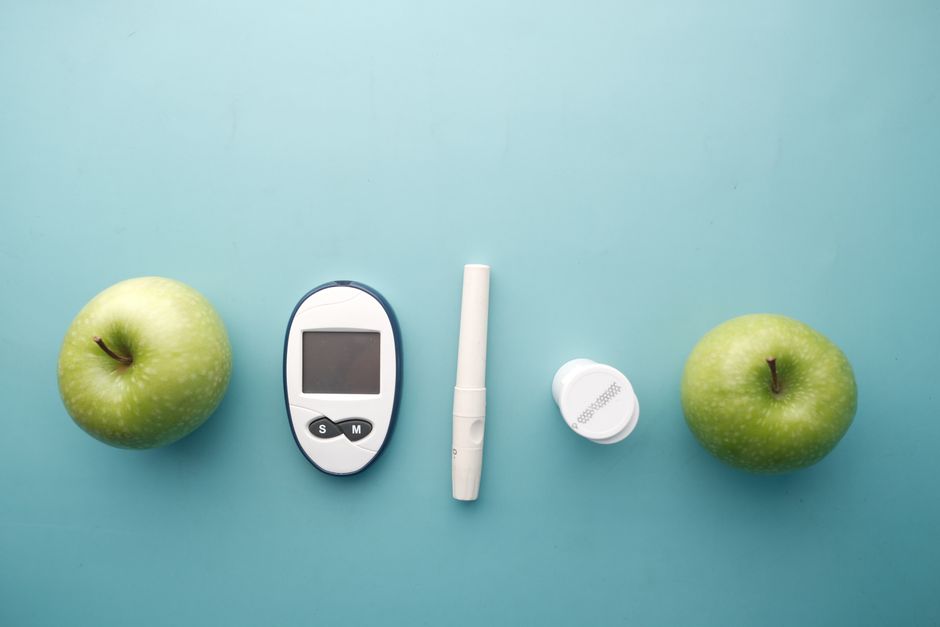
A good average glucose level for most adults without diabetes is roughly 70 to 99 mg/dL when fasting, and under 140 mg/dL two hours after a meal. For people with diabetes, many clinicians use an A1C target of under 7% as a general goal, which corresponds to an average glucose of about 154 mg/dL. The right number depends on whether you have diabetes, your age, and other health conditions.
Average glucose is not one fixed number. It is a range that shifts based on when you eat, what you eat, how your body handles insulin, and whether you have any underlying conditions. Understanding what the numbers mean — and where they come from — helps you have a more useful conversation with your doctor.
What Is A Good Average Glucose Level To Aim For?
For adults without diabetes, the standard reference ranges are well established. A fasting glucose between 70 and 99 mg/dL is considered normal. A reading of 100 to 125 mg/dL falls into the prediabetes range. A fasting glucose of 126 mg/dL or higher on two separate occasions is one criterion used to diagnose diabetes.
After eating, glucose naturally rises. A two-hour post-meal reading under 140 mg/dL is considered normal for people without diabetes. Between 140 and 199 mg/dL at the two-hour mark suggests impaired glucose tolerance. At 200 mg/dL or above, that is another diagnostic threshold for diabetes when confirmed.
These numbers come from widely used clinical criteria. They are not arbitrary. They reflect large population studies linking sustained glucose above these levels to higher rates of complications over time.
For people with diabetes, the picture changes. The American Diabetes Association has historically recommended an A1C goal of under 7% for many non-pregnant adults. An A1C of 7% corresponds to an estimated average glucose of about 154 mg/dL. But this is a general target, not a universal one. Older adults, people with significant heart or kidney disease, or those at high risk of low blood sugar may have higher targets. Younger people with recent diagnoses and no complications may aim lower.
The key point: there is no single “good” average glucose that applies to everyone. Context matters enormously.
What Do Fasting, Post-Meal, and A1C Numbers Actually Measure?
These three measurements tell you different things, and confusing them is common.
Fasting glucose measures your blood sugar after at least eight hours without eating. It reflects how well your body manages glucose at baseline — without food coming in. This is often the first number that starts drifting upward in people developing insulin resistance.
Post-meal glucose (sometimes called postprandial) shows how your body handles a glucose load. It captures the spike and the speed of return to baseline. Some people have normal fasting glucose but elevated post-meal readings. This pattern can appear before fasting numbers change.
A1C reflects average glucose over roughly the past two to three months. It forms when glucose attaches to hemoglobin in red blood cells. Since red blood cells live about three months, the A1C gives a longer view. It does not show day-to-day swings. Someone can have a “good” A1C but experience significant highs and lows that average out.
That last point matters. A person with an A1C of 7% could be steady at 154 mg/dL all day, or could swing between 60 and 250 mg/dL. The average looks the same. The experience — and the risks — do not.
How Does A1C Translate to Average Glucose?
The relationship between A1C and average glucose is well established. The formula used clinically comes from a study that measured glucose continuously in people with and without diabetes and compared those readings to their A1C levels.
Here is a reference table showing the general correspondence:
| A1C (%) | Estimated Average Glucose (mg/dL) |
|---|---|
| 5% | 97 |
| 6% | 126 |
| 7% | 154 |
| 8% | 183 |
| 9% | 212 |
| 10% | 240 |
These are estimates. Individual results vary based on red blood cell lifespan, hemoglobin variants, and other factors. A person with anemia, for example, may have an A1C that does not accurately reflect their true average glucose. The same is true for people with certain hemoglobin traits or kidney disease.
This is why some clinicians now use continuous glucose monitors (CGMs) to get a more direct picture. CGMs measure glucose in the fluid between cells every few minutes. They show patterns, not just averages. For people whose A1C may be unreliable, this can be more informative.


Does the Target Change Based on Age or Health Conditions?
Yes. This is one of the most important things to understand about glucose targets.
For healthy older adults with diabetes who have a reasonable life expectancy and no major complications, a target A1C under 7% to 7.5% is often reasonable. For frail older adults, those with dementia, or those at high risk of severe low blood sugar, a higher target — sometimes up to 8% or above — may be safer. The risk of hypoglycemia (dangerously low blood sugar) increases with age and with certain medications.
For younger adults newly diagnosed with type 2 diabetes and no heart disease, some guidelines suggest aiming for an A1C below 6.5% if it can be achieved without causing low blood sugar. The reasoning is that earlier, tighter control may reduce long-term complication risk.
Pregnancy is a separate case entirely. Glucose targets are tighter during pregnancy because elevated maternal glucose affects the baby. The exact targets used in gestational diabetes management are specific and should come from your obstetric provider. No general range applies here.
People with kidney disease, liver disease, or certain blood disorders may also need individualized targets. Their A1C may not reflect true glucose control, and their risk profile differs.
What About People Without Diabetes — Should They Track Average Glucose?
For most people without diabetes, routine glucose monitoring is not recommended. There is no strong evidence that tracking glucose in healthy people without risk factors improves outcomes.
However, some situations warrant attention. If you have a family history of type 2 diabetes, are overweight, have high blood pressure, or have had gestational diabetes, your doctor may recommend periodic screening. The U.S. Preventive Services Task Force recommends screening for prediabetes and type 2 diabetes in adults aged 35 to 70 who are overweight or obese.
Some people without diabetes are now using CGMs purchased directly, often driven by wellness marketing. The evidence here is limited. Some small studies suggest that seeing glucose responses to food can change eating behavior in the short term. But no large trials have shown that this translates into meaningful health improvements in people without diabetes. It is an area of active research, not established practice.
If you are curious about your glucose patterns, the more reliable first step is a standard fasting glucose or A1C test ordered by your doctor. These are inexpensive, well-validated, and interpretable against established ranges.
What Causes Average Glucose to Drift Out of Range?
Glucose rises when the body cannot move it out of the bloodstream efficiently. This happens through several mechanisms.
Insulin resistance is the most common driver of rising glucose in adults. Muscle, fat, and liver cells stop responding well to insulin. The pancreas compensates by producing more insulin. Over time, it may not keep up. Fasting glucose starts to rise. This process can begin years before diabetes is diagnosed.
Beta-cell dysfunction means the pancreas is not producing enough insulin. This is the primary problem in type 1 diabetes and becomes a factor in type 2 diabetes as it progresses.
Medications can raise glucose. Corticosteroids, some antipsychotics, and certain blood pressure medications are known to affect glucose levels.
Illness, stress, and poor sleep can all raise glucose temporarily. Cortisol and other stress hormones increase glucose release from the liver. This is normal physiology, not necessarily a sign of disease.
Diet and activity patterns influence glucose over time. Diets high in refined carbohydrates and low in fiber tend to produce larger glucose spikes. Physical activity improves insulin sensitivity, sometimes within a single session.
Understanding which factor is driving your numbers helps determine what to do about it. A fasting glucose of 105 mg/dL in someone who slept four hours and has a cold means something different than the same reading in someone well-rested with a strong family history of diabetes.
How Accurate Are Home Glucose Readings?
Home glucose meters are not perfectly precise. The FDA requires them to be within 15% of a lab value 95% of the time, and within 20% for some older standards. That means a reading of 100 mg/dL could reflect a true value anywhere from roughly 85 to 115 mg/dL.
This matters when interpreting single readings. A fasting glucose of 101 mg/dL on a home meter does not necessarily mean you have prediabetes. It means you should confirm with a lab test.
CGMs have different accuracy standards. They measure glucose in interstitial fluid, not blood, so there is a slight lag — especially when glucose is changing rapidly. Most CGMs require calibration or come factory-calibrated, and their accuracy varies by device and by individual.
Lab tests remain the reference standard for diagnosis. Home monitoring is best used for tracking trends and adjusting daily management, not for making a diagnosis on its own.
Frequently Asked Questions
What is a normal average blood sugar level?
For adults without diabetes, a normal fasting glucose is 70 to 99 mg/dL, and a normal two-hour post-meal reading is under 140 mg/dL. An A1C below 5.7% is considered normal.
What is a good A1C for someone with diabetes?
Many clinicians recommend an A1C under 7% for most non-pregnant adults with diabetes, which corresponds to an average glucose of about 154 mg/dL. Individual targets vary based on age, other health conditions, and risk of low blood sugar.
Can I have a normal fasting glucose but still have diabetes?
Yes. Some people have normal fasting glucose but elevated post-meal readings, and an A1C or oral glucose tolerance test may reveal diabetes or prediabetes. Fasting glucose alone does not rule it out.
How often should I check my average glucose?
If you have diabetes, how often you check depends on your treatment plan and your doctor’s guidance. If you do not have diabetes, routine glucose monitoring is not generally recommended unless you have risk factors.
