
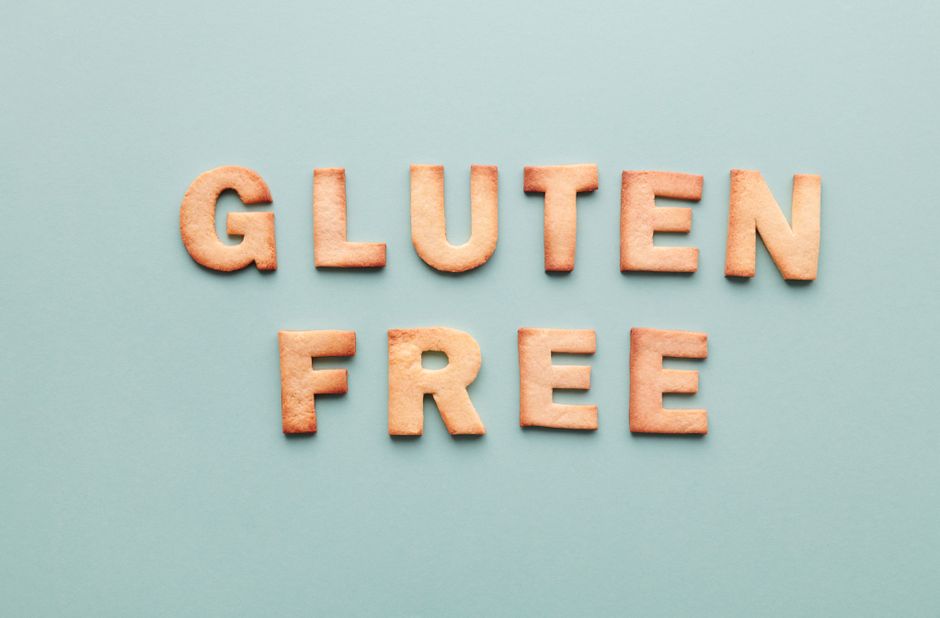
A gluten-free diet means removing all foods that contain gluten, a protein found in wheat, barley, and rye. For most people, it is a medical necessity, not a lifestyle trend. It is the only effective treatment for celiac disease, and it also helps people with a diagnosed wheat allergy or non-celiac gluten sensitivity. For everyone else, the diet is restrictive and offers no proven health benefits, so it is likely not the right choice unless a doctor has identified a specific medical reason.
What Is Gluten and Where Is It Found?
Gluten is a family of storage proteins naturally present in certain cereal grains. It acts like a glue that holds food together and gives bread its chewy texture. The three main grains that contain gluten are wheat, barley, and rye.
Gluten appears in obvious places like bread, pasta, and baked goods. It also hides in less obvious products such as soy sauce, certain salad dressings, soups, beer, and even some medications and lip balms. Because of this, following a strict gluten-free diet requires reading every ingredient label carefully.
Oats are naturally gluten-free. However, many commercial oats are contaminated with wheat during farming or processing. People who need to avoid gluten should only choose oats that are specifically labeled gluten-free.
Who Actually Needs a Gluten-Free Diet?
Three main medical conditions require gluten removal. Each one is different in how it affects the body and how it is diagnosed.
Celiac disease is an autoimmune disorder. When someone with this condition eats gluten, their immune system attacks the small intestine. This damages the villi, which are tiny finger-like projections that absorb nutrients from food. Over time, this damage leads to malnutrition and a range of symptoms including diarrhea, bloating, fatigue, anemia, and weight loss. Celiac disease affects roughly one percent of the population worldwide.
Wheat allergy is an immune reaction to proteins in wheat. It is different from celiac disease because it involves a different part of the immune system and usually causes symptoms within minutes to hours. Reactions can include hives, swelling, difficulty breathing, or digestive upset. In severe cases, wheat allergy can cause anaphylaxis, a life-threatening reaction.
Non-celiac gluten sensitivity is the least understood condition. People with this diagnosis experience symptoms like bloating, brain fog, headaches, or fatigue after eating gluten. Yet they test negative for celiac disease and wheat allergy. Some research suggests that gluten is not always the actual trigger, and other components in wheat such as fermentable carbohydrates may be responsible. The diagnosis is made only after celiac disease and wheat allergy have been ruled out.
How Is a Gluten-Free Diet Different for Each Condition?
The strictness of the diet depends on the diagnosis. For celiac disease, even tiny amounts of gluten are harmful. A crumb from a shared toaster can trigger intestinal damage. People with celiac disease must avoid all cross-contamination completely.
For wheat allergy, the focus is on avoiding wheat proteins specifically. Some people with this allergy can tolerate barley and rye because those grains contain different proteins. However, many choose to avoid all gluten-containing grains for simplicity and safety.
For non-celiac gluten sensitivity, the threshold varies from person to person. Some people tolerate small amounts of gluten without symptoms. Others react to trace amounts. Since there is no test to measure intestinal damage, the diet is guided entirely by symptom relief.





What Can You Eat on a Gluten-Free Diet?
A gluten-free diet includes all foods that do not contain wheat, barley, or rye. Many naturally gluten-free foods are healthy and nutrient-dense.
- Fruits and vegetables in all forms
- Meat, poultry, and fish that are not breaded or marinated in gluten-containing sauces
- Eggs and dairy products
- Beans, legumes, and nuts
- Rice, corn, quinoa, millet, buckwheat, and amaranth
- Potatoes and sweet potatoes
Gluten-free versions of bread, pasta, crackers, and baked goods are widely available. These products are made with alternative flours like rice flour, almond flour, or tapioca starch. They are convenient but not automatically healthier than their gluten-containing counterparts.
Is a Gluten-Free Diet Healthier for People Without a Medical Condition?
No clinical evidence supports the idea that a gluten-free diet improves health in people without a diagnosed condition. This is a common misconception driven by marketing and anecdotal reports.
Research consistently shows that gluten-free packaged foods often contain more sugar, fat, and sodium than their regular equivalents. Manufacturers add these ingredients to improve taste and texture after removing gluten. Some studies also indicate that gluten-free diets can be lower in fiber, iron, folate, and B vitamins because whole wheat is a major source of these nutrients.
Following the diet unnecessarily also costs more. Gluten-free products typically cost two to three times more than standard products. For people without a medical reason, the diet offers no proven benefit while adding cost, restriction, and potential nutrient gaps.
What Are the Risks of a Gluten-Free Diet?
Starting a gluten-free diet without medical supervision carries real risks. The most immediate risk is masking an undiagnosed condition. If a person has celiac disease and stops eating gluten before testing, the test results can be inaccurate. Doctors need to see intestinal damage to make a diagnosis, and that damage only appears when gluten is present in the diet.
Nutrient deficiencies are another concern. Whole wheat products are a primary source of fiber for most Americans. Removing them without replacing that fiber can lead to constipation and poor gut health. B vitamins, iron, and calcium are also at risk if the diet is not planned carefully.
Weight gain is possible too. Many people assume gluten-free foods are low-calorie. In reality, gluten-free breads and snacks often have similar or higher calorie counts than regular ones. People sometimes eat more of these foods believing they are making a healthier choice.
How Do You Get Tested Before Starting the Diet?
If you suspect gluten is causing your symptoms, do not eliminate it from your diet before seeing a doctor. The diagnostic process requires gluten to be present in your system.
Testing begins with a blood test that looks for specific antibodies. For celiac disease, doctors typically check for tissue transglutaminase antibodies, often abbreviated as tTG-IgA. If this test is positive, an upper endoscopy with biopsy is usually performed to confirm intestinal damage.
Wheat allergy is diagnosed through skin prick tests or blood tests that measure immunoglobulin E antibodies. Non-celiac gluten sensitivity has no specific test. It is diagnosed by exclusion after celiac disease and wheat allergy are ruled out, and symptoms improve on a gluten-free diet.
If you have already stopped eating gluten, tell your doctor. They may recommend a gluten challenge, which involves eating gluten again for a period of time before testing. This is done under medical supervision because symptoms can return quickly.
What Is A Gluten Free Diet And Is It Right For You?
A gluten-free diet is a medical treatment, not a general wellness plan. It is right for you if you have celiac disease, a confirmed wheat allergy, or a diagnosed non-celiac gluten sensitivity. For these conditions, the diet is essential and effective.
It is not right for you if you have no diagnosis and no symptoms linked to gluten. The diet does not promote weight loss, boost energy, or improve digestion on its own. If you feel unwell after eating bread or pasta, see a doctor for proper testing rather than self-diagnosing.
If you do need the diet, work with a registered dietitian who specializes in celiac disease and gluten-related disorders. They can help you build a balanced meal plan, identify hidden sources of gluten, and prevent nutrient deficiencies. The diet takes effort, but for those who need it, it transforms health and quality of life.
Frequently Asked Questions
Can a gluten-free diet help you lose weight?
No evidence shows that a gluten-free diet causes weight loss on its own. Gluten-free packaged foods often contain as many calories as regular versions, and some contain more sugar and fat.
How long after eating gluten do symptoms start?
Symptoms from wheat allergy can begin within minutes to a few hours. Digestive symptoms from celiac disease or gluten sensitivity typically start within hours to a few days after eating gluten.
Can you cheat on a gluten-free diet if you have celiac disease?
No. Even small amounts of gluten trigger intestinal damage in people with celiac disease, even if you feel no symptoms. The damage occurs silently and accumulates over time.
Is gluten bad for everyone?
No. Gluten is harmless for the vast majority of people. Only those with celiac disease, wheat allergy, or non-celiac gluten sensitivity need to avoid it.
