
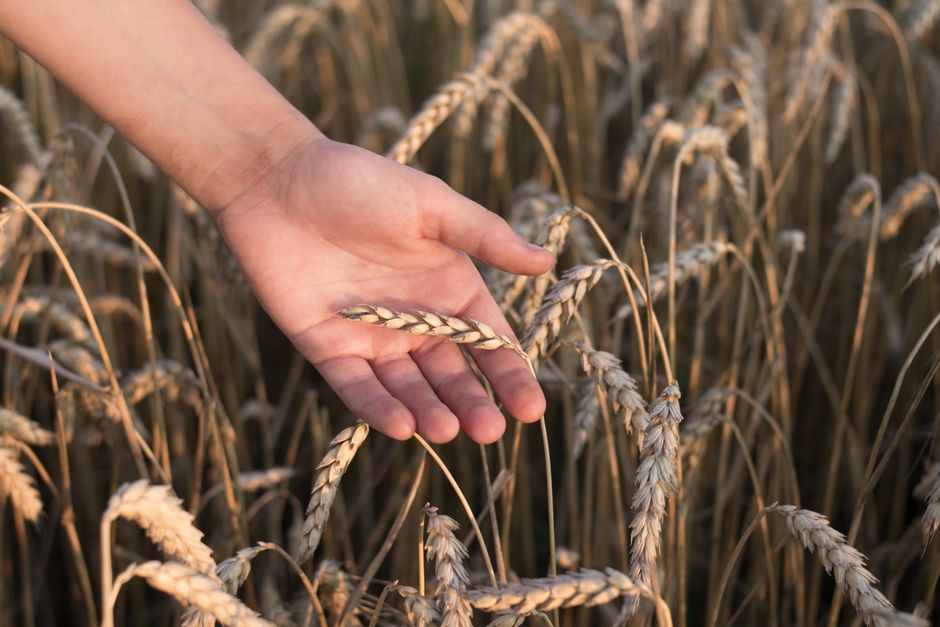
Vodka can be made from wheat, rye, barley, corn, potatoes, grapes, or sugarcane — so yes, some vodka starts as wheat. But most distilled vodka, including wheat-based vodka, contains no detectable gluten. The distillation process separates alcohol from the proteins that cause gluten reactions. That is why the U.S. government allows vodka to be labeled “gluten-free” even when it is made from wheat.
Is There Wheat In Vodka and Does That Mean It Has Gluten?
Many vodka brands are made from wheat. Others use rye, barley, corn, potatoes, or grapes. The base ingredient varies by brand and by country.
Here is the part that matters for anyone avoiding gluten: distillation removes proteins. Gluten is a protein. During distillation, the fermented mash is heated, and alcohol vapor rises and is collected. Proteins, including gluten, do not vaporize at those temperatures. They stay behind in the still.
The result is a distilled spirit that is typically more than 99 percent pure ethanol and water. Any gluten protein left in the final bottle would be at levels far below what current testing can reliably detect.
This is not a marketing claim. It is basic chemistry and it is well established in food science.
How Does Distillation Remove Gluten From Wheat Vodka?
Distillation works because different substances boil at different temperatures. Ethanol boils at about 173°F (78°C). Water boils at 212°F (100°C). Proteins do not boil at all — they break down or remain in the liquid.
When the fermented mash is heated in a still, the alcohol turns to vapor first. That vapor is collected and condensed back into liquid. The proteins, starches, and other heavy compounds stay in the boiler.
Some vodkas are distilled only once. Others are distilled three, five, or even more times. More distillation generally means a cleaner spirit, but even a single distillation separates alcohol from protein.
After distillation, some producers add back flavorings, botanical infusions, or other ingredients. This is where gluten could theoretically be reintroduced — but plain, unflavored vodka does not go through that step.
What Does the FDA Say About Gluten in Distilled Spirits?
The U.S. Food and Drug Administration regulates gluten-free labeling on food and beverages, including distilled spirits. Under FDA rules, a product can be labeled “gluten-free” if it does not contain any gluten-containing grain, or if it has been processed to remove gluten and contains less than 20 parts per million (ppm) of gluten.
That 20 ppm threshold is the same standard used for gluten-free certification in the United States. It is also the level that the FDA has determined is safe for most people with celiac disease.
Because distillation removes gluten proteins, the FDA allows distilled spirits made from wheat, rye, or barley to carry a gluten-free label. This is not a loophole. It reflects the reality that the finished product does not contain detectable gluten.
Some brands choose to label their products as gluten-free. Others do not, even when the vodka is distilled from wheat. The absence of a gluten-free label does not mean the product contains gluten — it may simply mean the company has not pursued certification.





Is Wheat Vodka Safe for People With Celiac Disease?
This is where the conversation gets more nuanced. The science says distilled spirits are gluten-free. But some people with celiac disease report symptoms after drinking wheat-based vodka.
There are a few possible explanations for this. One is that the reaction is not actually to gluten. Alcohol itself can cause digestive symptoms, especially in people with sensitive stomachs or conditions like irritable bowel syndrome. Another possibility is that the person reacted to another ingredient in a mixed drink or flavored vodka.
It is also possible that a small number of people are unusually sensitive to trace proteins that survive distillation. Research on this is limited. Some studies have found no detectable gluten in distilled spirits, while a few case reports describe symptoms in people with celiac disease after consuming them.
The evidence here is mixed. Most clinical guidance says distilled spirits are safe for people with celiac disease. But if you have celiac disease and notice symptoms after drinking wheat vodka, that is worth paying attention to. Talk to your doctor about it.
What About Flavored Vodkas and Other Additives?
Plain distilled vodka is one thing. Flavored vodka is another.
Flavored vodkas may have ingredients added after distillation. These can include natural flavors, sweeteners, fruit extracts, or other components. Some of these additives could contain gluten or be processed in facilities that handle gluten-containing ingredients.
The FDA requires that any gluten-containing ingredient be listed on the label if it is an intentional additive. But cross-contamination during manufacturing is harder to track.
If you are strictly avoiding gluten, plain unflavored vodka is the safer choice. If you want a flavored vodka, check with the manufacturer directly. Do not assume a flavored product is gluten-free just because the base spirit is.
Does Gluten-Free Labeling on Vodka Mean Anything?
Yes, it does. A gluten-free label on vodka means the manufacturer has either verified that the product contains less than 20 ppm of gluten or that it contains no gluten-containing grains at all.
For distilled spirits, the FDA allows the gluten-free label even when the base grain is wheat, rye, or barley. This is because the distillation process removes the gluten protein.
Some brands go further and get third-party gluten-free certification. This involves independent testing and auditing. It is not required by law, but it provides an extra layer of confidence for consumers.
If a vodka does not carry a gluten-free label, it does not automatically contain gluten. Many producers simply choose not to pursue the label. If you are unsure, contact the company and ask about their distillation process and testing protocols.
What Should You Do If You Are Avoiding Gluten?
If you have celiac disease or non-celiac gluten sensitivity, here is a practical approach:
- Plain, unflavored vodka — whether made from wheat, corn, or potatoes — is generally considered gluten-free because of distillation.
- Flavored vodkas may contain added ingredients that could introduce gluten. Check with the manufacturer.
- Mixed drinks can contain gluten from other ingredients like certain mixers, garnishes, or pre-made cocktail mixes.
- If you notice symptoms after drinking a specific vodka, avoid that brand and talk to your doctor.
Some people with celiac disease choose to avoid all grain-based spirits as a precaution. That is a personal decision. The clinical evidence does not support avoiding distilled spirits, but individual experiences vary.
It is also worth noting that alcohol itself can damage the lining of the small intestine and worsen symptoms in people with celiac disease, even if the alcohol is gluten-free. This is not a gluten issue — it is an alcohol issue. Moderate consumption is the general recommendation for anyone with digestive conditions.
Frequently Asked Questions
Does wheat vodka contain gluten?
No, wheat vodka does not contain detectable gluten after distillation. The distillation process separates gluten proteins from the alcohol, leaving a product that is gluten-free by FDA standards.
Can I drink wheat vodka if I have celiac disease?
Most clinical guidance says distilled spirits, including wheat vodka, are safe for people with celiac disease. However, some individuals report symptoms, and the evidence on this is mixed — talk to your doctor if you have concerns.
Why is wheat vodka labeled gluten-free?
The FDA allows distilled spirits made from wheat, rye, or barley to be labeled gluten-free because distillation removes gluten proteins. The final product contains less than 20 ppm of gluten, which is the FDA threshold for gluten-free labeling.
Is flavored vodka gluten-free?
Not always. Flavored vodkas may have additives introduced after distillation that could contain gluten. Check with the manufacturer if you are strictly avoiding gluten.
