
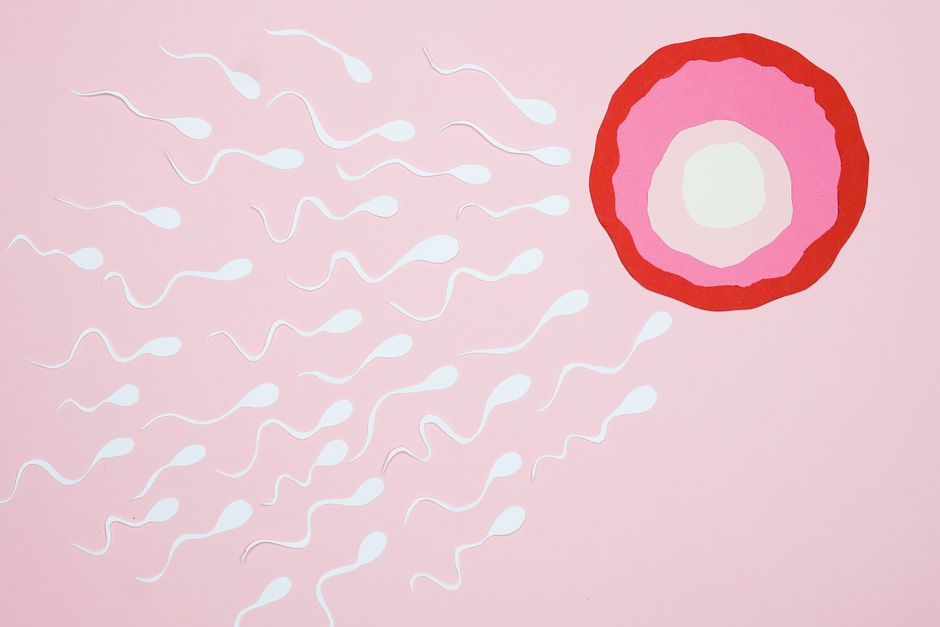
Sperm production is a continuous process, and the body builds sperm from the nutrients you eat, the hormones you make while you sleep, and the overall state of your health. No single food, bedtime, or pill “replenishes” sperm on its own. The strongest evidence points to a handful of nutrients, adequate sleep, and avoiding heat, tobacco, and heavy alcohol. Everything else is either supportive or unproven.
What Replenishes Sperm Diet Sleep And Supplements?
Three inputs matter most, and they work together rather than separately.
- Diet: Provides the raw material for sperm — zinc, selenium, folate, vitamin C, vitamin D, and omega-3 fats. A pattern of vegetables, fruit, whole grains, fish, and lean protein is consistently linked to better semen quality than a Western pattern high in processed meat, refined grains, and sugar.
- Sleep: Most testosterone release happens during sleep. Short or disrupted sleep lowers testosterone, which in turn can affect sperm production.
- Supplements: A few — notably zinc and selenium in deficient men, and antioxidants in specific cases — have measurable effects. Most products sold for “male fertility” have no human trial evidence behind them.
One point worth stating plainly: the male body does not “run out” of sperm. Production is ongoing. What declines is the quality and quantity per ejaculation, and that is what diet, sleep, and other factors influence.
How Does Diet Affect Sperm Quality?
Diet influences sperm through two routes: supplying nutrients sperm need to form, and limiting oxidative stress that damages sperm DNA.
Sperm are unusually vulnerable to oxidative damage. Their membranes are packed with polyunsaturated fats, and they carry little internal antioxidant capacity of their own. They depend on antioxidants delivered through semen — much of it from the prostate and seminal vesicles. When antioxidant intake is low or oxidative stress is high, sperm DNA fragmentation rises.
Observational studies have repeatedly linked diets rich in vegetables, fruit, fish, and whole grains to higher sperm concentration, better motility, and less DNA fragmentation. Diets high in processed meat, trans fats, and sugar-sweetened drinks show the opposite pattern. These are associations — they do not prove causation — but the direction is consistent across many populations.
Specific nutrients with reasonable evidence:
- Folate and zinc: Both are required for DNA synthesis and sperm formation. Deficiency impairs sperm production.
- Selenium: Part of the enzyme that protects sperm from oxidative damage.
- Vitamin C and E: Antioxidants that appear to reduce sperm DNA damage, particularly in men with high oxidative stress such as smokers.
- Vitamin D: Receptors for vitamin D are present on sperm. Low levels are associated with poorer semen parameters, though whether supplementing improves them is not fully settled.
- Omega-3 fats: Incorporated into sperm membranes. Some studies show better motility with higher intake.
A whole-diet approach outperforms single-nutrient chasing in most studies. That is unsurprising — nutrients interact, and food delivers them together.
Does Sleep Really Affect Sperm?
Yes, and the mechanism is hormonal rather than direct.
The majority of daily testosterone release occurs during sleep, particularly during REM stages in the second half of the night. Cutting sleep short cuts that window. Healthy young men restricted to about five hours of sleep per night for one week showed a measurable drop in daytime testosterone in controlled research — roughly 10 to 15 percent in the study that is most often cited. That is a real change, not a minor blip.
Testosterone is not the only hormone involved. Sleep loss also raises cortisol, disrupts the normal pulsatile release of GnRH from the brain, and increases oxidative stress. All of these can feed back on the testes.
What the evidence does not show is a precise sleep duration that optimizes sperm. Seven to nine hours is the general adult range for health, and it is a reasonable target here too. What matters more than hitting an exact number is avoiding chronic short sleep and treating conditions that fragment sleep, such as obstructive sleep apnea. Men with untreated sleep apnea tend to have lower testosterone, and treatment often improves it.


Do Supplements Actually Replenish Sperm?
For men with a genuine deficiency, yes. For well-nourished men taking a random “fertility blend,” the evidence is thin or absent.
Here is where the honest line sits:
- Zinc: Deficiency clearly impairs sperm production. Supplementation helps men who are deficient. In men with normal zinc status, benefit is not established.
- Selenium: Same pattern — corrects deficiency, unclear benefit if levels are normal.
- Folate: Some trials in men with low intake show improvement in sperm count and DNA quality. Findings are not consistent across all studies.
- Coenzyme Q10: Several small trials report improved motility and reduced DNA fragmentation. Sample sizes are small and results have not been uniformly replicated.
- Carnitine and acetyl-L-carnitine: Some trials show improved motility. Effects on pregnancy rates are not established.
- Vitamin D: Correcting severe deficiency appears reasonable. Whether repletion in men with normal levels improves sperm is not established.
A caution worth stating: high-dose antioxidants are not automatically harmless. Very high doses of some antioxidants have, in a few studies, paradoxically worsened sperm parameters. More is not better.
Anyone considering a supplement should talk to a clinician, particularly if they take medications or have a chronic condition. No supplement is a substitute for evaluating the actual cause of poor semen quality.
What Else Affects Sperm Production?
Diet and sleep are two levers. Several others matter just as much and are easy to overlook.
- Heat: The testes sit outside the body because sperm production requires a temperature roughly 2 to 4°C below core body temperature. Frequent hot tubs, saunas, and prolonged laptop use directly on the lap can raise scrotal temperature. Effects are usually temporary but real.
- Tobacco: Smoking is linked to lower sperm count, worse motility, and higher DNA fragmentation. This is one of the best-established findings in the field.
- Alcohol: Heavy or chronic use suppresses testosterone and impairs sperm production. Occasional moderate drinking has less clear effects.
- Weight: Obesity is associated with lower testosterone and altered semen parameters. Fat tissue converts testosterone to estrogen, which feeds back on the brain’s hormone signaling.
- Medications: Some prescription drugs — certain antidepressants, testosterone replacement, some blood pressure medications, and others — can suppress sperm production. Anyone on testosterone therapy for low T should know that it typically reduces sperm production, sometimes to zero.
- Stress and intense exercise: Extreme endurance training and severe psychological stress can each disrupt reproductive hormones.
Timing matters. Sperm take roughly 60 to 90 days to mature from start to finish. That means any change — diet, sleep, quitting smoking, stopping a medication — needs about three months before it shows up in a semen analysis. Judging a change at two weeks tells you nothing.
How Long Before Changes Show Up?
About three months is the standard window. The full sperm production cycle — from spermatogonia to mature sperm in the ejaculate — takes approximately 74 days, with additional transit time through the epididymis.
This has practical implications. If you make a lifestyle change today, a semen analysis next month will not reflect it. A test at 90 days will. This is also why fertility specialists often ask men to repeat abnormal semen analyses after an interval rather than acting on a single result.
Semen analysis itself is variable. Counts and motility can swing substantially between samples in the same man, which is why a single abnormal result is usually repeated before conclusions are drawn.
What About Supplements Marketed for Male Fertility?
Most “male fertility” supplements on the market have no human trial evidence behind their specific formulations.
Common ingredients like maca, ashwagandha, tribulus terrestris, and various herbal blends have some small studies, often of low quality, sometimes industry-funded, and rarely replicated. Some show no effect at all in better-designed trials. That does not mean they are harmful — it means the evidence does not support the claims being made for them.
A reasonable approach: if a supplement is being sold with a promise of “boosting sperm count” or “improving fertility,” ask what human trials support that specific product. In most cases, there are none.
Frequently Asked Questions
How quickly can diet changes improve sperm?
Sperm take about 74 days to mature, so meaningful changes typically show up in a semen analysis after roughly three months. Changes made this week will not appear on a test next month.
Does lack of sleep lower sperm count?
Chronic short sleep lowers testosterone, which can in turn affect sperm production. The precise effect on sperm count varies between men, but the hormonal link is well established.
What supplements actually help sperm?
Zinc and selenium help men who are deficient, and some trials show benefit from folate, coenzyme Q10, and carnitine. For well-nourished men, most fertility supplements have no proven benefit.
Can sperm be replenished after zero count?
Sometimes, depending on the cause. If the zero count is from testosterone therapy or a blockage, production or delivery may recover after the cause is addressed. Azoospermia should always be evaluated by a fertility specialist.
