
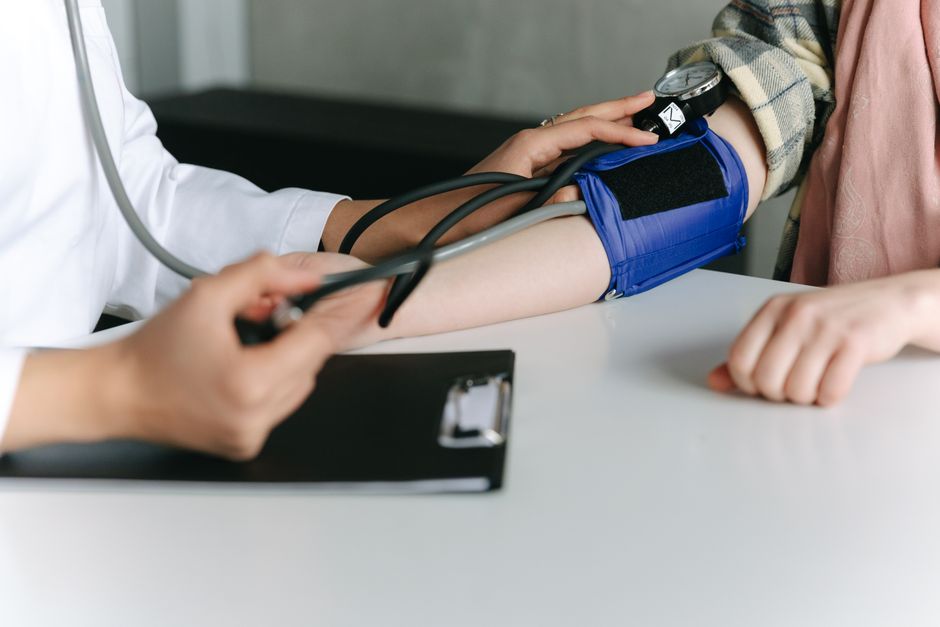
A throbbing headache can be a frightening symptom when you have high blood pressure. The most direct answer is that you cannot safely treat the headache alone—you must lower the blood pressure itself. If your blood pressure is dangerously high, this requires immediate medical attention, not just pain relief. For a headache caused by a hypertensive crisis, the only safe solution is emergency care where clinicians can lower your pressure with intravenous medication.
What Does a High Blood Pressure Headache Feel Like?
A headache from high blood pressure is different from a tension headache or a migraine. People often describe it as a throbbing or pulsing sensation, frequently felt on both sides of the head. It tends to be worse with physical activity.
This type of headache usually only appears when blood pressure reaches severely elevated levels. Most people with mild or moderate hypertension do not get headaches from their blood pressure at all.
The key distinction is the severity of the blood pressure reading. A headache linked to hypertension typically occurs when systolic pressure is over 180 mmHg or diastolic pressure is over 120 mmHg. This is a medical emergency known as a hypertensive crisis.
How To Get Rid Of High Blood Pressure Headache Instantly
There is no safe home remedy that instantly cures a headache caused by high blood pressure. Over-the-counter pain relievers like ibuprofen or acetaminophen will not lower your blood pressure, and some may even interfere with blood pressure medications.
If your blood pressure is above 180/120 mmHg and you have a headache, call 911 or go to an emergency room immediately. In the hospital, doctors can safely lower your blood pressure with IV medications while monitoring your heart and brain function.
Trying to lower severely elevated blood pressure too quickly at home can be dangerous. Rapid drops in pressure can reduce blood flow to the brain, heart, or kidneys. This is why emergency treatment is essential—clinicians control the speed and amount of medication.
Do not wait to see if the headache goes away on its own. A hypertensive crisis can lead to stroke, heart attack, or organ damage without prompt treatment.
Why Does High Blood Pressure Cause Headaches?
Blood pressure is the force of blood pushing against the walls of your arteries. When that force becomes extreme, it can affect the brain’s blood vessels.
At very high pressures, the brain’s ability to regulate blood flow becomes overwhelmed. The blood-brain barrier, which normally protects brain tissue, can begin to leak. Fluid can accumulate in the brain, a condition called cerebral edema. This swelling and pressure inside the skull produce the characteristic throbbing headache.
This mechanism is why the headache is a warning sign, not the problem itself. The headache indicates that your blood pressure has reached a level that threatens your brain. Treating only the pain ignores the underlying danger.
Research consistently shows that most people with chronic high blood pressure do not experience headaches. When headaches do occur alongside hypertension, it usually signals that blood pressure has spiked to dangerous levels.


When Is a Headache a Hypertensive Emergency?
You need to know the numbers and the symptoms. A blood pressure reading of 180/120 mmHg or higher is a hypertensive crisis regardless of how you feel. When a headache accompanies this reading, it is considered a hypertensive emergency until proven otherwise.
Seek emergency care immediately if you have a headache and any of these additional symptoms:
- Chest pain or shortness of breath
- Vision changes, including blurred vision or seeing spots
- Numbness or weakness on one side of the body
- Difficulty speaking or understanding speech
- Confusion or changes in mental status
- Nausea or vomiting
- Seizures
These symptoms suggest that elevated blood pressure is already damaging organs. Time matters. Every minute of untreated hypertensive emergency increases the risk of permanent injury.
If your blood pressure is above 180/120 mmHg but you have no symptoms, wait five minutes and recheck. If the reading remains high, contact your doctor or seek medical care. Do not simply go to sleep or assume it will pass.
What Medications Are Used in the Emergency Room?
Emergency physicians use intravenous medications to control hypertensive crisis. These drugs work quickly and can be adjusted minute by minute based on your response.
Common IV medications include nicardipine, labetalol, esmolol, and clevidipine. The choice depends on your specific situation, including whether you have heart disease, kidney problems, or pregnancy-related hypertension.
The goal is to lower blood pressure gradually, not instantly. Clinicians typically aim to reduce mean arterial pressure by about 20 to 25 percent within the first hour. They avoid bringing pressure to normal levels too quickly because that can starve organs of blood flow.
Once your blood pressure is stabilized, you may be transitioned to oral medications. You will likely need observation for 24 hours or more to ensure your pressure remains controlled.
Can You Prevent High Blood Pressure Headaches?
Prevention focuses on keeping blood pressure within a healthy range. A headache from hypertension is a sign that blood pressure control has failed, so the priority is preventing that failure.
If you have been prescribed blood pressure medication, take it exactly as directed. Do not skip doses. Many people stop taking medication because they feel fine, but hypertension rarely causes symptoms until it reaches dangerous levels.
Monitor your blood pressure at home if your doctor recommends it. Home monitoring helps you notice trends before they become emergencies. A typical home blood pressure monitor is an automated cuff that goes around your upper arm. Wrist monitors are less reliable.
Lifestyle measures that support healthy blood pressure include reducing sodium intake, limiting alcohol, maintaining a healthy weight, and getting regular physical activity. These measures help, but they are not a substitute for medication when your doctor has prescribed it.
What About Headaches That Are Not From High Blood Pressure?
Most headaches, even in people with hypertension, are not caused by high blood pressure. Tension headaches and migraines are far more common causes of head pain.
This creates a clinical challenge. If you have high blood pressure and a headache, the headache might be unrelated. But the only way to know is to measure your blood pressure during the headache.
If your blood pressure is normal during a headache, you can treat the headache as you normally would. Over-the-counter pain relievers, rest, hydration, and a cool compress are reasonable options for tension-type headaches.
However, if your blood pressure is elevated during a headache, do not assume it is a coincidence. Treat the headache as a potential sign of hypertensive crisis until your pressure is under control.
Some people worry that taking pain relievers will mask the warning sign of a hypertensive crisis. This is a valid concern. If you have a headache and suspect your blood pressure is high, always check your blood pressure before taking pain medication.
Home Blood Pressure Monitoring: Getting an Accurate Reading
An inaccurate reading can cause unnecessary panic or dangerous complacency. To get a reliable measurement, sit quietly for five minutes before checking. Place the cuff on bare skin, not over clothing.
Sit with your back supported, feet flat on the floor, and your arm supported at heart level. Do not talk during the measurement. Avoid caffeine, exercise, and smoking for 30 minutes before checking.
Take two readings one minute apart and record both. If the readings differ significantly, take a third. Use the average as your blood pressure for that session.
If you get a single high reading, do not panic. Recheck after five minutes of quiet rest. A single reading does not diagnose a hypertensive crisis—persistent elevation does.
Frequently Asked Questions
Can I take pain relievers for a high blood pressure headache?
No—pain relievers will not lower your blood pressure and may be unsafe during a hypertensive crisis. If your blood pressure is above 180/120 mmHg with a headache, seek emergency care instead of taking medication.
How long does it take for blood pressure medication to relieve a headache?
IV medications given in the emergency room can lower blood pressure within minutes, and the headache typically improves as pressure decreases. Oral medications take longer, usually 30 minutes to several hours, and are not appropriate for emergency situations.
What blood pressure reading causes a headache?
Headaches from high blood pressure usually occur when systolic pressure is above 180 mmHg or diastolic pressure is above 120 mmHg. Most people with mild or moderate hypertension do not get headaches from their blood pressure.
Is it safe to sleep off a high blood pressure headache?
No—sleeping with a blood pressure above 180/120 mmHg and a headache is dangerous because you cannot monitor your condition. A hypertensive crisis can cause stroke or organ damage while you sleep, so seek emergency care immediately.
