
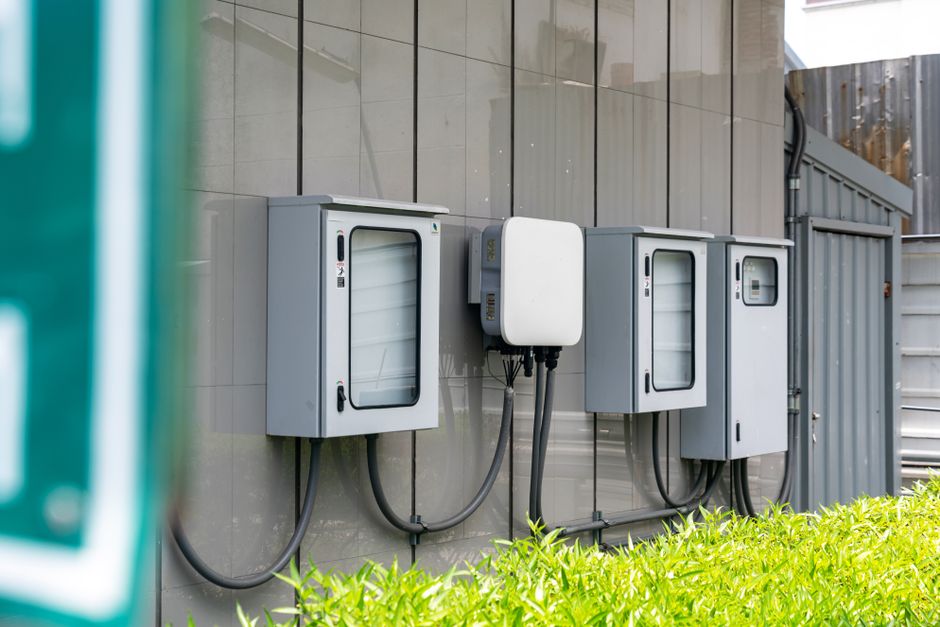
A current transformer (CT) can is a metal enclosure that houses current transformers used in electrical systems to measure high-voltage alternating current (AC) safely. It steps down high current levels to a lower, standardized value that meters and protective relays can handle. Think of it as a protective housing that keeps the sensitive measurement equipment safe from the high-voltage environment while also protecting anyone working nearby.
What Exactly Is a CT Can and How Does It Work?
A CT can is essentially a metal box, usually made of steel or aluminum, that contains one or more current transformers. The “can” part refers to the enclosure itself. Inside, the current transformer uses electromagnetic induction to measure the flow of electricity in a power line.
The core principle is simple. A primary conductor carrying high current passes through the center of the CT. The CT’s secondary winding produces a proportional lower current. For a 1000:5 CT, 1000 amps flowing through the primary produces 5 amps in the secondary. This lower current is safe for meters, relays, and other monitoring equipment.
The can provides several critical functions. It shields the CT from physical damage and weather. It contains any electrical faults that might occur inside. And it provides a grounded barrier between the high-voltage primary and the low-voltage secondary circuits.
Why Do Electrical Systems Need CT Cans?
Electrical systems need CT cans for three main reasons: safety, accuracy, and organization.
Safety comes first. High-voltage current measurement is dangerous without proper isolation. A CT can provides a grounded metal barrier. If something fails inside, the can contains the fault and directs it safely to ground. This prevents arc flashes and protects workers.
Accuracy matters for billing and system protection. Utility companies bill customers based on CT measurements. Protective relays use CT readings to detect faults and trip breakers. A properly housed CT maintains its calibration and accuracy over years of service.
Organization is practical but important. Large electrical installations have many CTs. Without cans, you would have exposed transformers mounted on walls or structures. Cans keep everything neat, labeled, and accessible for testing and maintenance.
What Are the Different Types of CT Cans?
CT cans come in several configurations depending on the application. Here is a comparison of the most common types:
| Type | Typical Use | Key Feature |
|---|---|---|
| Indoor CT Can | Commercial buildings, industrial plants | NEMA 1 enclosure, ventilated, lighter construction |
| Outdoor CT Can | Utility substations, pad-mounted transformers | NEMA 3R or 4 enclosure, weatherproof, gasketed doors |
| Switchgear CT Can | Metal-clad switchgear, motor control centers | Integral to switchgear assembly, draw-out construction |
| Metering CT Can | Revenue metering, demand monitoring | Separate compartments for CT and meter, sealable |
Each type has specific requirements for insulation, grounding, and accessibility. Indoor cans are lighter and may have ventilation louvers. Outdoor cans must prevent moisture entry and withstand temperature extremes. Switchgear cans are designed to be withdrawn for testing without de-energizing the primary circuit.





How Do You Properly Install a CT Can?
Proper installation of a CT can is not optional. It is essential for safety and accuracy.
First, the can must be mounted on a rigid surface. Vibration can loosen connections and affect CT accuracy. Use the mounting holes provided. Do not drill additional holes that could compromise the enclosure rating.
Second, grounding is critical. The CT can must be bonded to the system ground with a conductor sized per the National Electrical Code. This ensures that any fault current flows to ground rather than through a person touching the can.
Third, the primary conductor must pass through the CT window correctly. The conductor should be centered in the window. It should not touch the CT core. For bus bar installations, the bar must be aligned straight through the window.
Fourth, secondary wiring must be short and twisted. Long secondary leads can pick up noise. Twisted pairs reduce electromagnetic interference. The secondary circuit must never be opened while current is flowing. An open CT secondary can produce dangerously high voltage.
What Are Common Mistakes People Make With CT Cans?
The most common mistake is leaving CT secondary terminals open. When the primary is energized and the secondary is open, the CT acts like a step-up transformer. Voltage can rise to thousands of volts. This destroys the CT and creates an electrocution hazard.
Another mistake is undersizing the CT can. A tight fit prevents proper airflow. Overheating reduces CT accuracy and lifespan. Always check the manufacturer’s minimum clearance requirements inside the can.
A third mistake is mixing CT ratios in the same can without proper labeling. A 200:5 CT and a 600:5 CT look identical from the outside. If a technician assumes the wrong ratio, the meter readings will be wrong. Label every CT clearly with its ratio, accuracy class, and burden rating.
Improper grounding is also common. A loose ground connection may work for years but fail during a fault. Use listed grounding hardware. Torque connections to the manufacturer’s specifications.
How Do You Test and Maintain a CT Can?
Testing a CT can involves several checks that should be performed at regular intervals.
Visual inspection comes first. Look for rust, corrosion, or physical damage. Check that the door closes properly and the gasket is intact. For outdoor cans, verify that drain holes are not blocked.
Insulation resistance testing checks the integrity of the CT windings. A megohmmeter measures resistance between windings and ground. Values below one megohm indicate moisture damage or insulation breakdown.
Ratio testing confirms the CT is still accurate. A primary current injection test set applies a known current and measures the secondary output. The measured ratio should match the nameplate within the accuracy class tolerance.
Polarity testing ensures the CT is wired correctly. Improper polarity causes meters to run backwards or protective relays to operate incorrectly. A simple polarity test using a battery and voltmeter confirms correct connections.
As of 2026, many utilities are moving to online monitoring for critical CT cans. Sensors continuously measure temperature, partial discharge, and secondary voltage. This allows early detection of problems before they cause failures.
What Are the Safety Precautions for Working With CT Cans?
Working with CT cans requires strict adherence to safety procedures. The primary circuit is often at thousands of volts. The secondary circuit can produce lethal voltages if open.
Always de-energize and verify zero voltage before opening a CT can. Use a properly rated voltage detector. Test the detector on a known live source first.
Short the CT secondary terminals before disconnecting any wiring. Use a shorting block or a temporary jumper rated for the CT’s maximum secondary current. This prevents open-circuit voltage from developing.
Wear appropriate personal protective equipment. This includes voltage-rated gloves, safety glasses, and arc-rated clothing. The specific PPE depends on the available fault current at the location.
Never rely on a single ground path. Verify that the can is bonded to ground. Check that all secondary circuit grounds are intact. A single ground failure can leave the entire system ungrounded and dangerous.
Frequently Asked Questions
Can a CT can be installed outdoors without weather protection?
No, outdoor installations require a CT can with a NEMA 3R or higher rating to resist rain, snow, and ice. Standard indoor cans will corrode and fail quickly in outdoor environments.
How often should CT cans be inspected?
Most standards recommend annual visual inspection and testing every three to five years. Critical installations like utility metering may require more frequent testing.
What happens if a CT secondary circuit is opened while energized?
Opening the secondary circuit while current flows can produce dangerously high voltage, potentially damaging the CT and creating a lethal shock hazard. Always short the secondary before disconnecting.
Do all CT cans require grounding?
Yes, every CT can must be grounded according to the National Electrical Code. The enclosure provides a grounded barrier that protects personnel and equipment from electrical faults.
