
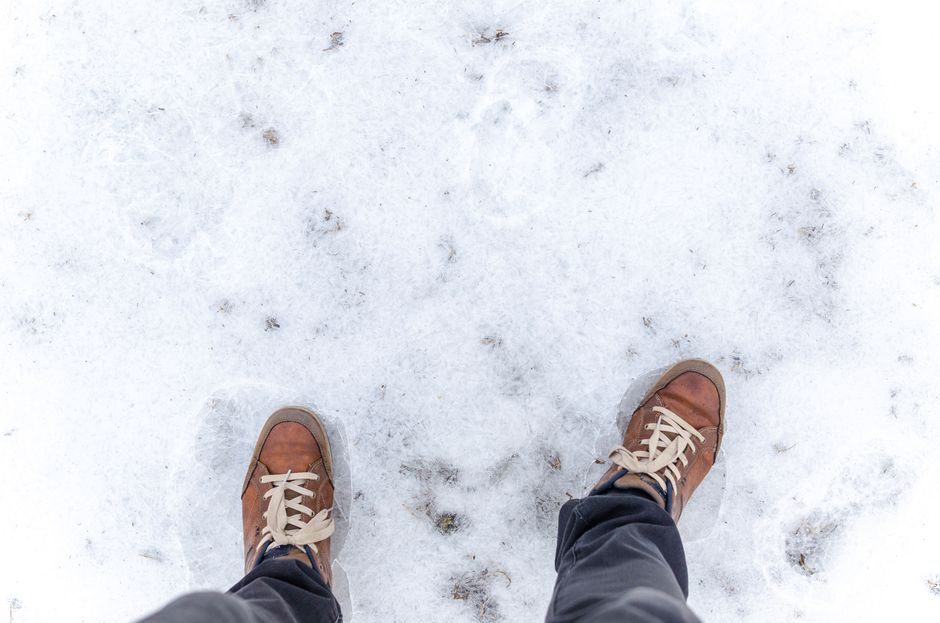
Freezing your shoes does not kill most bacteria. It puts them into a dormant state where they stop growing, but they are still alive. When the shoes warm back up, so do the bacteria. This is a common misunderstanding, and it matters if you are trying to keep your feet healthy or get rid of a smell that won’t go away.
What Happens to Bacteria at Freezing Temperatures?
Bacteria are living organisms. Like most living things, they have a temperature range where they thrive. For the bacteria that live on your feet and inside your shoes, that range is usually between 40°F and 140°F. This is often called the “danger zone” for food, and it applies to bacterial growth in general.
When you put shoes in a freezer, the temperature drops well below that range. The bacteria stop dividing. Their metabolism slows down to almost nothing. They go into a state that researchers call “suspended animation.” They are not dead. They are just paused.
The CDC states that freezing is not a method for killing bacteria. It is a method for preserving things. This is why you freeze food to keep it from spoiling. The cold stops the bacteria from spoiling the food, but the bacteria are still there. When the food thaws, the bacteria wake up and start growing again. The same thing happens with your shoes.
Does Freezing Shoes Kill Bacteria Or Just Pause It?
The direct answer is that freezing only pauses bacteria. Research published in journals like Applied and Environmental Microbiology has shown that many common bacterial strains, including Staphylococcus and Escherichia coli, can survive freezing temperatures for extended periods. Some can even survive being frozen for years.
Freezing can kill some bacteria, but not the ones you usually find in shoes. The bacteria that cause foot odor and infections are hardy. They form protective structures or simply tolerate cold well. A standard home freezer, which runs at about 0°F (-18°C), is not cold enough to reliably kill them.
To kill bacteria with cold, you need temperatures far below what a home freezer can reach. Laboratories use liquid nitrogen or ultra-low temperature freezers that go to -80°F or colder. Even then, some bacteria survive. For the bacteria in your shoes, a home freezer is just a pause button.
| Method | Effect on Bacteria | Effect on Odor |
|---|---|---|
| Home Freezer (0°F) | Pauses growth. Most survive. | No change. Odor returns when warm. |
| Deep Freeze (-80°F) | Kills some. Many survive. | Minimal. Not practical for shoes. |
| Heat (140°F+ for 30 min) | Kills most bacteria. | Effective. Can damage shoes. |
| UV Light | Kills surface bacteria. | Moderate. Needs direct exposure. |
| Washing with soap | Removes bacteria mechanically. | Effective. Best for washable shoes. |
Why Do People Think Freezing Shoes Works?
The idea that freezing kills bacteria is widespread. It comes from a mix of old wisdom and misunderstanding. People have been freezing things to preserve them for centuries. Over time, “preserve” got confused with “sanitize.” If freezing keeps food from going bad, people assumed it must kill the bad stuff.
There is also a specific myth about freezing shoes to kill the fungus that causes athlete’s foot. Some sources still repeat this advice. The American Academy of Dermatology does not recommend freezing as a treatment for fungal infections. They recommend antifungal medications and keeping feet dry. Freezing does not reliably kill the fungus either. It just pauses it.
Another reason the myth persists is that freezing can temporarily reduce odor. When bacteria are frozen, they stop producing the waste products that cause smell. The shoe may smell better when you take it out of the freezer. But as soon as the shoe warms up and the bacteria become active again, the odor returns. It is a temporary fix, not a solution.



What Actually Kills Bacteria in Shoes?
Heat is one of the most reliable methods. Most bacteria die when exposed to temperatures above 140°F for at least 30 minutes. You can use a clothes dryer on high heat for shoes that can handle it. Check the care label first. Some materials like leather or plastic can warp or crack.
Washing is another effective method. Machine washing with hot water and detergent physically removes bacteria from the fabric. Detergent also breaks down the cell walls of many bacteria. For shoes that cannot be machine washed, hand washing with soap and warm water works well. Let them dry completely before wearing them again.
UV-C light devices are also effective. These are portable wands or boxes that emit ultraviolet light at a specific wavelength that damages bacterial DNA. Research from the Journal of Hospital Infection has shown that UV-C light can kill 99.9% of surface bacteria within seconds. The downside is that UV light only works on surfaces it can reach directly. Shadows and crevices can be missed.
Sprays containing alcohol or hydrogen peroxide can kill bacteria on contact. Look for sprays with at least 60% alcohol. These are effective for surface treatment but may not penetrate deep into padding or insoles. They also dry out some materials over time.
What About Smell? Is Freezing Worth It for That?
Freezing can help with smell, but only in a very specific way. The odor in shoes comes from bacteria breaking down sweat. The bacteria produce compounds like isovaleric acid, which smells like sweaty feet. When you freeze the shoes, the bacteria stop producing these compounds. The existing smell may also become less noticeable because cold air holds less odor.
Some people report that freezing their shoes for 24 hours reduces odor for a day or two. That is consistent with the science. The bacteria are paused, so no new odor is made. But once the shoes are warm and damp from your feet again, the bacteria resume their activity. The smell comes back.
If you are in a pinch and need a quick fix for a pair of shoes you have to wear tomorrow, freezing might help a little. But it is not a long-term strategy. For persistent odor, you need to remove the bacteria and the sweat residue they feed on. Freezing does not remove anything. It just pauses the problem.
A better approach for odor is to address the root cause. Wash your feet daily with soap and dry them thoroughly before putting on shoes. Wear moisture-wicking socks. Rotate your shoes so they have at least 24 hours to dry out between wears. Use a shoe dryer or stuff them with newspaper to absorb moisture. These steps starve the bacteria of what they need to grow.
Common Misconceptions About Freezing Shoes
One common claim is that freezing kills the “bacteria that cause odor.” This is not accurate. The bacteria that cause odor are the same bacteria that live on your skin. They are adapted to your body temperature. Freezing does not kill them. It only slows them down.
Another misconception is that freezing is a “natural” way to clean shoes. Freezing is a physical process, not a chemical one. But “natural” does not mean effective. Freezing does not remove dirt, sweat, or dead skin cells from your shoes. Those are the food source for bacteria. Without removing them, the bacteria will just wake up and start eating again.
Some people also believe that freezing kills mold spores. Mold is a fungus, not a bacterium. Freezing can kill some mold spores, but many are resistant. Aspergillus and Penicillium species can survive freezing. If you have mold in your shoes, freezing is not a reliable solution. You need to clean the shoes thoroughly and keep them dry.
Finally, there is a belief that the longer you freeze shoes, the more bacteria die. This is not true. Bacteria do not die from prolonged cold exposure. They just stay dormant. Some bacteria can survive for years in a freezer. Time does not help.
What to Avoid When Trying to Clean Shoes
Avoid using bleach on most shoes. Bleach is a strong disinfectant that kills bacteria, but it can damage fabric, fade colors, and weaken adhesives. It can also irritate your skin if it is not rinsed out completely. Stick to gentler disinfectants like diluted white vinegar or isopropyl alcohol.
Do not put shoes in the dishwasher. The high heat and water pressure can warp the shape of the shoe and damage the glue that holds them together. Dishwasher detergent is also too harsh for many materials. Your shoes will likely come out clean but misshapen and falling apart.
Avoid using heat that is too high. While heat kills bacteria, temperatures above 160°F can damage synthetic materials, melt glues, and shrink leather. If you use a dryer, use the low or medium setting. Check the shoe manufacturer’s recommendations first.
Do not rely on freezing alone and think your shoes are clean. If you freeze shoes and then wear them without cleaning them, you are just putting paused bacteria against your skin. As soon as your feet warm the shoes, the bacteria resume. You are not getting any benefit from the freezing step.
Frequently Asked Questions
Does freezing shoes kill the bacteria that cause athlete’s foot?
No. The fungus that causes athlete’s foot can survive freezing temperatures. It will become dormant but become active again when the shoes warm up.
How long should I freeze shoes to kill bacteria?
Freezing shoes for any length of time will not reliably kill bacteria. Even several days in a standard freezer only pauses bacterial growth.
Can I freeze shoes to remove odor permanently?
No. Freezing only temporarily stops bacteria from producing odor. Once the shoes warm up, the smell returns because the bacteria are still alive.
What temperature kills bacteria in shoes?
Temperatures above 140°F for at least 30 minutes will kill most bacteria. A home freezer at 0°F is not cold enough to kill them.
