
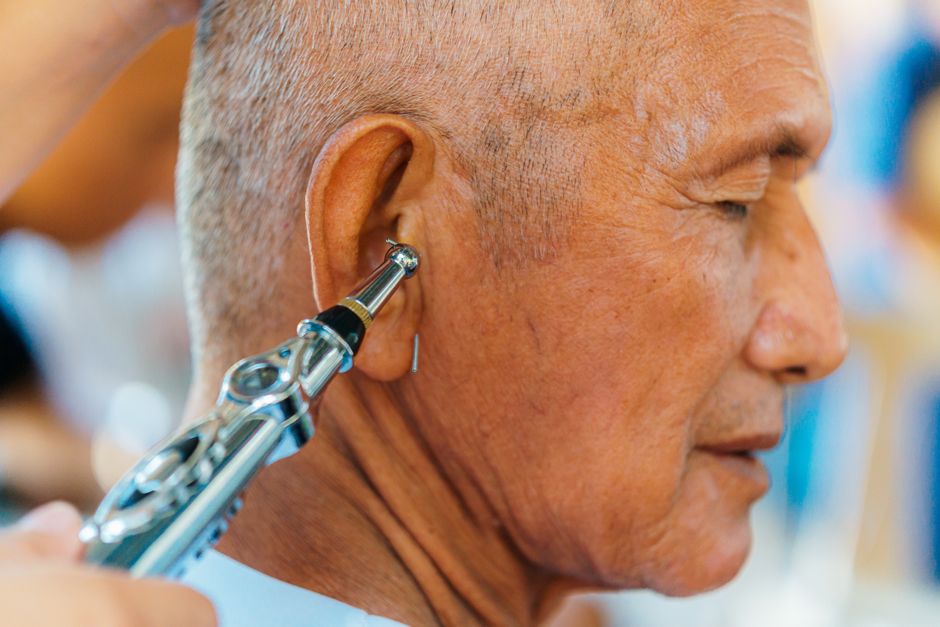
Ringing in the ears or tinnitus is the perception of sound when no external source is present. It affects about 15-20% of people and can be stopped or managed through sound therapy, treating underlying health conditions, avoiding loud noise exposure, and in some cases cognitive behavioral therapy. Most cases can be significantly improved though complete elimination is not always possible.
The ringing is not a disease itself but a symptom. The most common cause is damage to the hair cells in your inner ear from noise exposure or aging. Your brain tries to compensate for the missing signals from damaged areas and generates phantom sound. This is why silence often makes the ringing louder.
Treatment depends entirely on the cause. If medication is triggering it you stop the medication. If earwax is blocking your ear canal you remove the wax. If hearing loss is involved hearing aids often reduce or eliminate the perception. There is no universal cure because tinnitus has many different causes.
What Causes Ringing in Your Ears?
Noise exposure is the leading cause. Concerts, power tools, gunfire, or even years of moderately loud music through headphones can damage the delicate hair cells in your cochlea. Once damaged these cells do not regenerate. Your brain receives incomplete signals and creates sound to fill the gaps.
Age-related hearing loss causes the same type of damage over time. By age 65 about one in three people has hearing loss and many experience tinnitus as a result. The two conditions are closely linked.
Earwax buildup can cause temporary ringing by blocking the ear canal and creating pressure. Ear infections do the same. These cases resolve once the underlying issue is treated. Some medications are ototoxic meaning they damage the ear. High doses of aspirin, certain antibiotics, and some chemotherapy drugs can cause or worsen tinnitus. The ringing often stops when you discontinue the medication.
Less common causes include Meniere’s disease, TMJ disorders, head or neck injuries, and tumors on the auditory nerve. Blood vessel problems near the ear can create a pulsing sound that matches your heartbeat. This is called pulsatile tinnitus and requires different evaluation.
Does Sound Therapy Actually Work for Tinnitus?
Sound therapy works by masking the tinnitus or retraining how your brain processes the phantom sound. It does not fix the damaged hair cells but it can make the ringing far less noticeable.
White noise machines or apps provide constant background sound that competes with the tinnitus. Many people find the ringing less intrusive when they are not in a silent room. Studies show sound therapy reduces tinnitus severity in about 60% of users. The effect is strongest in people whose tinnitus worsens in quiet environments.
Hearing aids are a form of sound therapy for people with hearing loss. They amplify external sounds which reduces the brain’s tendency to generate internal noise. Research from 2024 found that hearing aids reduced tinnitus perception in 70% of participants with both hearing loss and tinnitus. The improvement was often dramatic within the first few weeks.
Notched sound therapy plays music or white noise with the tinnitus frequency removed. The theory is that this trains your brain to stop focusing on that specific frequency. Evidence is mixed. Some studies show modest benefit while others show no difference from standard white noise.
Can Treating Underlying Health Conditions Stop the Ringing?
If a specific medical issue is causing the tinnitus treating that issue often resolves the ringing. This is why identifying the cause matters more than chasing general remedies.
Earwax removal is the simplest fix. A doctor can irrigate your ear or manually extract impacted wax. The ringing stops within hours in most cases. Do not use cotton swabs or ear candles. Both push wax deeper and can damage your eardrum.
Treating ear infections with antibiotics clears the inflammation and fluid buildup. The ringing typically fades as the infection resolves. If medication is the cause switching to a different drug often helps. Over 200 medications list tinnitus as a side effect. Aspirin is one of the most common culprits. Reducing the dose or discontinuing it under medical supervision usually stops the ringing within days.
Blood pressure management can reduce pulsatile tinnitus. High blood pressure increases turbulence in blood vessels near the ear. Lowering blood pressure through medication or lifestyle changes often quiets the pulsing sound. TMJ treatment through dental splints or physical therapy can eliminate tinnitus caused by jaw misalignment. The connection is not fully understood but about 10-20% of tinnitus cases have a TMJ component.
-
 How to Fix an Enlarged Prostate: Causes, Treatments, and What Actually Works
 -
How To Deal With A Yeast Infection What Actually Works?
-
Pink Salt for Weight Loss. Does It Actually Work? Facts VS Myths
-
Joint Genesis Reviews 2026 – Does This Joint Supplement Actually Work?
-
Peptides for Weight Loss: What Science Actually Says in 2026





What Does Research Say About Cognitive Behavioral Therapy for Tinnitus?
Cognitive behavioral therapy or CBT does not reduce the volume of tinnitus. It changes how you react to it. The distress people feel from tinnitus often causes more impairment than the sound itself.
CBT teaches you to reframe negative thoughts about the ringing. Instead of catastrophizing about permanent damage you learn to view the sound as non-threatening background noise. Studies show CBT significantly reduces tinnitus-related distress and improves quality of life. A 2023 review of 12 trials found CBT cut distress scores by 40% on average.
The therapy usually lasts 8-12 sessions. You work with a psychologist trained in tinnitus management. The techniques include relaxation training, thought challenging, and gradual exposure to the sound without distress. Many people report the ringing becomes less intrusive even though the volume stays the same.
Online CBT programs show similar effectiveness to in-person therapy. This matters because few therapists specialize in tinnitus. Digital programs are more accessible and cost less. The dropout rate is higher but completion rates still hover around 60%.
Which Supplements and Medications Have Evidence Behind Them?
Most supplements marketed for tinnitus have no credible evidence. Ginkgo biloba is the most studied. Multiple trials have tested it and the results are consistently negative. A 2023 Cochrane review found no benefit over placebo. Despite this it remains a top seller.
Zinc supplements may help if you have a zinc deficiency. One study found zinc reduced tinnitus in people with low baseline levels but had no effect in people with normal levels. Unless you test deficient there is no reason to take it.
Magnesium shows weak evidence. One small trial suggested it might protect against noise-induced tinnitus if taken immediately after exposure. The effect was modest and has not been replicated in larger studies. Vitamin B12 deficiency is linked to tinnitus in some people. Supplementation helps if you are deficient but does nothing if your levels are normal. The pattern is consistent. Correcting a deficiency may help. Taking supplements when levels are adequate does not.
| Supplement | Evidence Quality | Likely Benefit |
|---|---|---|
| Ginkgo Biloba | Strong evidence of no effect | None |
| Zinc | Weak evidence | Only if deficient |
| Magnesium | Weak evidence | Possibly preventive after noise exposure |
| Vitamin B12 | Moderate evidence | Only if deficient |
No medication is FDA-approved specifically for tinnitus. Some doctors prescribe antidepressants or anti-anxiety medications to manage the distress. These do not reduce the ringing but they can make it easier to tolerate. Melatonin helps some people sleep better despite the noise. It does not quiet the tinnitus but better sleep improves coping.
What Practical Steps Can You Take Today to Reduce Tinnitus?
Protecting your ears from further damage is the most important step. Wear earplugs or noise-canceling headphones in loud environments. Concerts, sporting events, and power tools all warrant protection. Keeping the volume below 85 decibels prevents additional hair cell damage. Most smartphones can measure decibel levels through free apps.
Avoid silence especially at night. Background noise from a fan, white noise machine, or nature sounds app reduces the contrast between the tinnitus and your environment. Many people find the ringing less bothersome when it is not the only sound they hear.
Limit caffeine and alcohol. Both can temporarily worsen tinnitus in some people. The effect varies widely. Some people notice no change. Others find even one cup of coffee makes the ringing louder for hours. Track your symptoms to identify personal triggers.
Manage stress. Stress does not cause tinnitus but it amplifies your perception of it. The ringing often seems worse during anxious periods. Regular exercise, meditation, or simply taking breaks during a stressful day can reduce the intensity.
Key protective measures include:
- Wearing hearing protection in loud environments above 85 decibels
- Keeping headphone volume at 60% or lower
- Taking breaks from noise exposure every hour
- Using background sound to mask the ringing especially at night
- Avoiding long-term use of ototoxic medications when alternatives exist
When Should You See a Doctor About Tinnitus?
See a doctor if the ringing appears suddenly in one ear only. This can signal acoustic neuroma or a blood vessel problem that requires imaging. Pulsatile tinnitus that matches your heartbeat also warrants evaluation. It may indicate vascular issues near the ear.
If the ringing is accompanied by dizziness, hearing loss, or ear pain schedule an appointment. These symptoms suggest an underlying condition that needs treatment. Tinnitus that significantly impacts your sleep, concentration, or mood justifies a visit even if no other symptoms are present.
The doctor will check for earwax, infections, and medication side effects first. An audiologist can perform hearing tests to identify hearing loss patterns. An ENT specialist may order an MRI if physical examination and hearing tests do not explain the tinnitus. As of 2026 there is no cure for most tinnitus but evaluation identifies treatable causes in about 30% of cases.
Most people with tinnitus learn to manage it over time. The brain gradually habituates to the sound and it becomes less noticeable. This process happens naturally in many cases but sound therapy and CBT can accelerate it. Complete silence is rare even for people without tinnitus. Learning to coexist with the sound is more realistic than waiting for it to disappear entirely.
Frequently Asked Questions About How to Stop Ringing in Ears
Can tinnitus go away on its own?
Temporary tinnitus from loud noise exposure often fades within 16 to 48 hours. Chronic tinnitus lasting more than three months rarely disappears completely but many people experience significant reduction in perception over time through habituation.
Is there a cure for tinnitus?
There is no cure that works for all cases. Treatment focuses on managing symptoms and addressing underlying causes like earwax buildup, hearing loss, or medication side effects which can eliminate tinnitus in some people.
Does ear ringing mean hearing loss?
Tinnitus often accompanies hearing loss but not always. About 90% of tinnitus cases involve some degree of hearing damage but you can have tinnitus with normal hearing tests if damage is limited to specific frequencies.
Will stress make my tinnitus worse?
Stress does not damage your ears but it increases your awareness of tinnitus and makes the sound feel more intrusive. Reducing stress through relaxation techniques often makes the ringing less noticeable even though the volume stays the same.
