
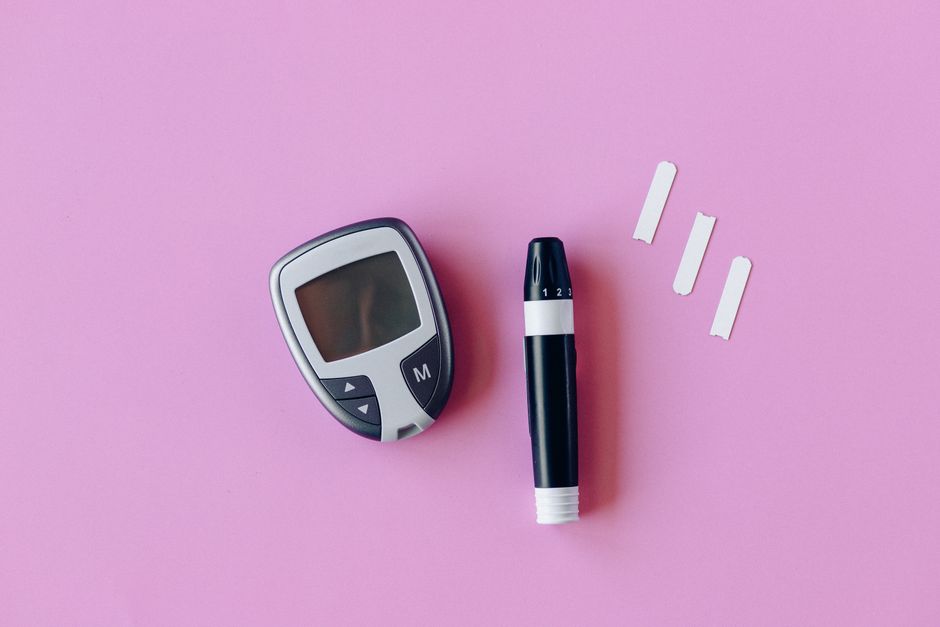
When your blood sugar drops too low, the fastest fix is 15 grams of fast-acting carbohydrate. That means four glucose tablets, half a cup of fruit juice, or a tablespoon of sugar or honey. Wait 15 minutes, then check your blood sugar again. If it is still below 70 mg/dL, repeat the process. Once your levels are stable, eat a small snack with protein or complex carbs to prevent another drop. This is the standard medical advice from organizations like the American Diabetes Association, and it works because simple sugars enter your bloodstream within minutes.
What Is Low Blood Sugar Exactly?
Low blood sugar, or hypoglycemia, happens when your glucose level falls below 70 mg/dL. Your brain runs on glucose, so when levels drop, you feel it fast. Common symptoms include shakiness, sweating, confusion, irritability, and hunger. In severe cases, you may pass out or have a seizure.
For people with diabetes, low blood sugar is usually a side effect of medication. Insulin and certain oral diabetes drugs can push glucose too low if you skip a meal, exercise more than usual, or take too high a dose. For people without diabetes, hypoglycemia is less common but can happen from prolonged fasting, heavy alcohol use, or rare medical conditions.
The key number to remember is 70 mg/dL. Below that, your body cannot function normally. Above that, you are in a safe range. This threshold comes from clinical guidelines used by hospitals and endocrinologists worldwide.
What Helps Low Blood Sugar Fast?
The 15-15 rule is the gold standard. Eat 15 grams of fast-acting carbs, wait 15 minutes, then retest. Fast-acting means simple sugars that do not need digestion. Glucose tablets are the most reliable because you know exactly how many grams you are getting. One tablet typically contains 4 grams of glucose. So four tablets give you 16 grams.
Other options that work just as well include:
- Half a cup (4 ounces) of orange juice or regular soda
- One tablespoon of sugar, honey, or maple syrup
- Hard candies — check the label for 15 grams of carbs total
- Raisins — a small box is about 15 grams
What does not work fast? Anything with fat, protein, or fiber. Chocolate bars, nuts, cheese, and whole-grain crackers slow down sugar absorption. Do not reach for these during a low. They are fine for the follow-up snack but not for the emergency fix.
What Does the Research on Treating Low Blood Sugar Show?
Research published in Diabetes Care confirms that glucose tablets raise blood sugar faster than any other food. The study compared glucose tablets, orange juice, and milk. Tablets raised levels the fastest and most predictably. Orange juice was close behind. Milk was slower because of its protein content.
The American Diabetes Association recommends glucose tablets as the first choice. They are portable, have a long shelf life, and do not spoil. But if you do not have tablets on hand, fruit juice or regular soda works nearly as fast. The key is that the sugar is liquid or dissolved, so it absorbs immediately in your mouth and stomach.
One common mistake is eating too much. People panic when they feel low and eat a full meal or a candy bar. That can spike blood sugar too high, then cause another crash later. Stick to 15 grams, wait, and retest. If you are still low, do another 15 grams. This prevents the roller coaster effect.


What to Do When Low Blood Sugar Is Severe
Severe hypoglycemia means you cannot treat yourself. You are confused, unconscious, or having a seizure. In this situation, do not give food or liquid by mouth. The person cannot swallow safely and could choke. Instead, you need glucagon.
Glucagon is a hormone that tells your liver to release stored glucose into your bloodstream. It comes as an injection or a nasal powder. The nasal powder, called Baqsimi, is easier for non-medical people to use. You just spray it into one nostril. It works within minutes.
If glucagon is not available, call 911 immediately. Paramedics can give intravenous glucose. Do not try to force sugar into an unconscious person’s mouth. That is dangerous and does not work.
For people with diabetes who have frequent severe lows, doctors may prescribe a continuous glucose monitor (CGM) with an alarm. These devices alert you when your blood sugar is dropping, often before you feel symptoms. Some CGMs can even share data with a family member’s phone. A 2020 study in The Lancet found that CGMs reduce severe hypoglycemia by about 50% in people with type 1 diabetes.
How to Prevent Low Blood Sugar Before It Starts
Prevention is better than treatment. The first step is knowing your patterns. Check your blood sugar regularly, especially before driving, exercising, or going to bed. If you see a downward trend, eat a small snack with protein and complex carbs. An apple with peanut butter or a few crackers with cheese works well.
If you take insulin, timing matters. Fast-acting insulin peaks about one to two hours after injection. Plan meals and snacks around those peaks. If you exercise, check your blood sugar before and after. Physical activity uses up glucose, so you may need a pre-workout snack or a lower insulin dose.
Alcohol is another common cause of delayed lows. Drinking can lower blood sugar hours later, especially if you drink on an empty stomach. The liver is busy processing alcohol and cannot release glucose as easily. If you drink, do it with food and check your blood sugar before bed. A bedtime snack with protein can help prevent an overnight low.
What to Avoid When Treating Low Blood Sugar
Some common advice is wrong. Do not use fruit juice labeled “no sugar added” or “light.” These have artificial sweeteners that do not raise blood sugar. You need real sugar. Check the label. If the juice has less than 15 grams of carbs per half cup, it will not work.
Do not use diet soda. It has no sugar at all. Regular soda works, diet soda does not. The same goes for sugar-free candies and gum. These products are designed for people who want to avoid sugar, which is the opposite of what you need during a low.
Do not rely on complex carbs like whole-wheat bread or oatmeal for the initial fix. They take too long to digest. Use them for the follow-up snack after your blood sugar is back above 70 mg/dL. That follow-up snack is important because fast-acting sugars wear off quickly. Without a longer-lasting snack, your blood sugar can drop again within an hour.
| Treatment | Carbs (grams) | Speed | Best For |
|---|---|---|---|
| Glucose tablets (4) | 16 | Fastest | Emergency, predictable dose |
| Orange juice (1/2 cup) | 15 | Very fast | When tablets not available |
| Regular soda (1/2 cup) | 15 | Very fast | On-the-go, no prep needed |
| Honey or sugar (1 tbsp) | 15 | Fast | At home, easily accessible |
| Hard candies (check label) | 15 | Moderate | If you chew them, not suck |
| Chocolate bar | Varies | Slow | Not for emergency treatment |
| Milk (1 cup) | 12 | Moderate | Better as follow-up snack |
Common Misconceptions About Low Blood Sugar
One widespread myth is that you can feel when your blood sugar is low. Many people do, but not everyone. Some people lose the ability to sense lows after years of diabetes. This is called hypoglycemia unawareness. It is dangerous because you do not get the early warning signs. If you have this condition, you need to check your blood sugar more often, especially before driving.
Another myth is that eating sugar causes diabetes. That is not true. Type 1 diabetes is an autoimmune condition. Type 2 diabetes is mostly about insulin resistance, which is influenced by genetics, weight, and activity level. Eating sugar does not directly cause diabetes. But if you already have diabetes, managing your sugar intake is important for blood sugar control.
Some people believe that low blood sugar only happens to people with diabetes. That is also false. Reactive hypoglycemia can occur in people without diabetes. It happens when blood sugar drops a few hours after a high-carb meal. The body releases too much insulin in response, causing glucose to crash. This is not common, but it is real. Treatment is the same — fast-acting carbs — but prevention involves eating smaller, more balanced meals with protein and fiber.
There is also a myth that you should eat a candy bar for a low. Candy bars have fat from chocolate or nuts, which slows down sugar absorption. They also have more sugar than you need. A full candy bar can spike your blood sugar too high. Stick to the 15-gram rule with pure sugar sources.
Frequently Asked Questions
What is the fastest way to raise low blood sugar?
Glucose tablets are the fastest because they are pure sugar and absorb directly into your bloodstream. Four tablets provide about 16 grams of glucose and work within 10 to 15 minutes.
Can I drink diet soda for low blood sugar?
No, diet soda has artificial sweeteners that do not raise blood sugar. You need real sugar from regular soda, juice, or glucose tablets.
How do I know if my blood sugar is low without testing?
Symptoms include shakiness, sweating, confusion, hunger, and irritability. But not everyone feels symptoms, so testing is the only reliable way to know.
What should I eat after treating low blood sugar?
Eat a small snack with protein and complex carbs, like an apple with peanut butter or a few crackers with cheese. This prevents your blood sugar from dropping again.
