
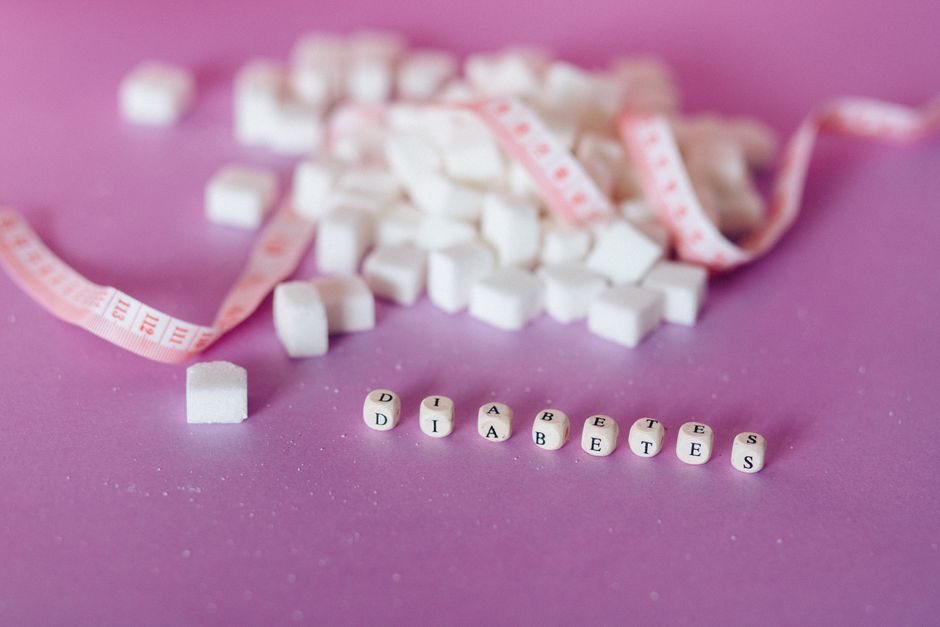
Cane sugar and regular white sugar are nearly identical in how they affect your body. Both are made of about half glucose and half fructose. For a person with diabetes, cane sugar is not a special danger and not a safe alternative — it is simply sugar, and it raises blood glucose just like any other type.
What Is Cane Sugar and How Is It Different From Regular Sugar?
Cane sugar comes from the sugarcane plant. White sugar in the United States is most often made from either sugarcane or sugar beets. After processing, the final product is almost pure sucrose. Sucrose is a molecule made of one glucose unit and one fructose unit joined together.
There is no meaningful nutritional difference between cane sugar and beet sugar. Both contain about 4 calories per gram and both are digested the same way. Brown sugar, turbinado sugar, and raw sugar also come from sugarcane but retain some molasses. That molasses adds a tiny amount of minerals, but not enough to matter for blood sugar control.
Honey, maple syrup, and agave nectar are often marketed as healthier options. They are not. All of them contain glucose and fructose in varying ratios, and all of them raise blood sugar. The differences in glycemic response between these sweeteners are small and rarely clinically significant.
How Does Cane Sugar Affect Blood Sugar in Diabetes?
When you eat cane sugar, your body breaks it down quickly. The glucose portion enters your bloodstream directly. The fructose portion goes to the liver first, where it is processed and much of it is eventually converted to glucose or fat.
For a person with diabetes, this means a rapid rise in blood glucose within 30 to 60 minutes after eating. The size of that rise depends on how much sugar you eat, what else is in the meal, and how well your diabetes is managed.
Eating sugar alone on an empty stomach produces a faster spike. Eating sugar with protein, fat, or fiber slows digestion and blunts the rise. That is why a candy bar affects blood sugar differently than the same amount of sugar in a bowl of oatmeal with nuts.
Your body’s ability to handle this glucose load depends on your insulin status. In type 2 diabetes, insulin resistance means your cells do not respond normally to insulin. In type 1 diabetes, your body makes no insulin at all. In both cases, a sudden glucose load can push blood sugar above target range.
Is Cane Sugar Worse for Diabetics Than Other Sugars?
No. The scientific evidence does not show that cane sugar is worse than any other sugar for blood sugar control. What matters is the total amount of sugar and total carbohydrates you consume.
Some sweeteners have a lower glycemic index than table sugar. Agave nectar has a lower glycemic index because it contains more fructose and less glucose. But this is not an advantage for diabetes. High fructose intake is linked to fatty liver, higher triglycerides, and increased insulin resistance over time.
A lower glycemic index does not mean a sweetener is safe to eat freely. It only means the blood sugar response is slower or smaller for the same amount of carbohydrate. The calories and carbohydrate content are still there.
Artificial sweeteners like aspartame, sucralose, and stevia do not raise blood sugar because they are not absorbed as glucose. For people with diabetes, these are reasonable substitutes when used in moderation. However, some research suggests regular consumption of certain artificial sweeteners may affect gut bacteria or insulin sensitivity. The evidence is mixed, and more research is needed.



How Much Sugar Can a Person With Diabetes Eat?
There is no single number that works for everyone with diabetes. The right amount depends on your medications, activity level, weight, and overall diet.
The American Diabetes Association does not recommend a specific daily sugar limit for all people with diabetes. Instead, they recommend that carbohydrate intake be individualized and that sugar be counted as part of total carbohydrate intake.
General dietary guidance for the public recommends keeping added sugar below 10 percent of daily calories. For a 2,000-calorie diet, that is about 50 grams of added sugar per day. This guidance applies to everyone, including people with diabetes, but individual needs vary.
Your diabetes care team can help you determine a target that fits your specific treatment plan. If you take insulin, you may need to match your insulin dose to the carbohydrates you eat, including sugar. If you take oral medications, your options for sugar intake may be more limited.
What Happens to Blood Sugar When You Eat Cane Sugar?
Blood sugar rises after eating any carbohydrate. Cane sugar is a simple carbohydrate, which means it is digested and absorbed faster than complex carbohydrates like whole grains or beans.
Within 15 to 30 minutes, glucose from cane sugar begins entering your bloodstream. Blood sugar typically peaks about 60 to 90 minutes after eating. For a person without diabetes, insulin is released quickly and brings blood sugar back to normal within two to three hours.
For a person with diabetes, this process is impaired. Blood sugar may stay elevated for longer. It may take four hours or more to return to baseline, depending on the meal and your medication regimen.
This is why pairing sugar with other foods matters. A spoonful of sugar in coffee may cause a modest rise. The same sugar in a pastry with refined flour will cause a larger and longer rise because the total carbohydrate load is higher.
Does Type of Diabetes Change How Cane Sugar Affects You?
Type 1 and type 2 diabetes both involve problems with blood sugar regulation, but the mechanisms differ. In type 1 diabetes, the body cannot produce insulin. Blood sugar control depends entirely on injected insulin matching carbohydrate intake.
In type 2 diabetes, the body produces insulin but cells resist its effects. Early in the disease, the pancreas often produces extra insulin to compensate. Over time, insulin production can decline.
For both types, cane sugar raises blood sugar. The management approach differs. A person with type 1 diabetes can often eat sugar if they take enough insulin to cover it. A person with type 2 diabetes may need to limit sugar more strictly, especially if they are not on insulin.
Gestational diabetes is a third category. It develops during pregnancy and usually resolves after birth. Blood sugar targets are stricter during pregnancy, so sugar intake is typically limited more aggressively.
Are Natural Sugars Healthier for Diabetics?
The word “natural” does not mean safe for blood sugar. Cane sugar is natural. So is honey. So is maple syrup. All of them raise blood sugar.
Coconut sugar is sometimes marketed as diabetic-friendly because it has a slightly lower glycemic index than table sugar. The difference is small, and coconut sugar is still mostly sucrose. It should be treated the same as regular sugar.
Date sugar, molasses, and fruit juice concentrates are also natural. They all contain significant amounts of glucose and fructose. None of them are metabolically different enough from cane sugar to matter clinically.
The only sweeteners that do not raise blood sugar are sugar alcohols like erythritol and xylitol, and artificial sweeteners. Sugar alcohols can cause digestive upset in large amounts. Xylitol is highly toxic to dogs, so it must be stored carefully if you have pets.
Practical Tips for Managing Sugar Cravings With Diabetes
If you have diabetes and want to eat something sweet, portion control is the most important factor. A small serving of real sugar is often better than a large serving of a sugar-free alternative that leaves you unsatisfied.
Check your blood sugar before and after trying a new food. This tells you how that specific food affects your body. Everyone responds somewhat differently, and your medication regimen changes the response.
Eat sweets with a meal rather than alone. Protein and fiber slow the absorption of sugar. A small piece of dark chocolate after lunch will cause a smaller blood sugar spike than the same chocolate eaten on an empty stomach.
Be honest with yourself about portion sizes. A teaspoon of sugar is about 4 grams of carbohydrate. A tablespoon is about 12 grams. A can of regular soda contains about 39 grams of sugar. These differences matter enormously for blood sugar control.
Frequently Asked Questions
Can diabetics eat cane sugar at all?
Yes, but only in limited amounts that fit within your total carbohydrate plan. Sugar is not toxic, but it must be counted and managed like any other carbohydrate.
Is brown sugar better than white sugar for diabetes?
No. Brown sugar is just white sugar with molasses added. It has the same calories and nearly the same effect on blood sugar.
Does cane sugar spike blood sugar more than honey?
No. Honey and cane sugar have similar effects on blood sugar. Both raise glucose quickly, and neither is meaningfully safer for diabetes.
What is the best sweetener for people with diabetes?
Non-caloric sweeteners like stevia, sucralose, and aspartame do not raise blood sugar. Sugar alcohols like erythritol are also low-impact but can cause digestive issues in large amounts.
Managing diabetes does not require eliminating sugar completely. It requires understanding what sugar does to your body and making informed choices. Cane sugar is not uniquely harmful, but it is still sugar. Treat it with the same caution you would treat any carbohydrate, and your blood sugar control will be better for it.
