
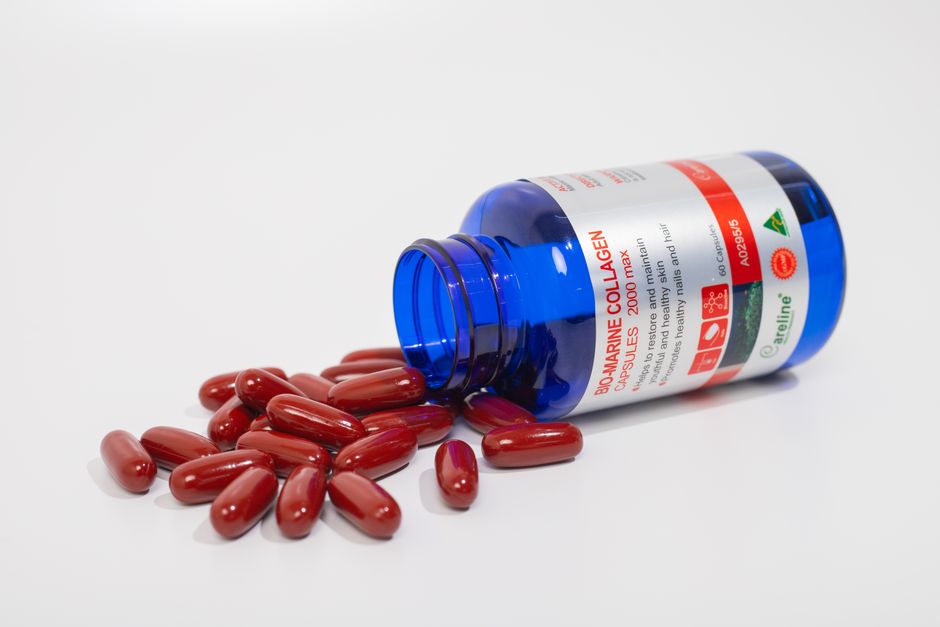
Your body makes collagen naturally, but that production slows down as you age. Taking collagen supplements can help, but only if your body actually absorbs what you take. Vitamin C is the single most important helper for collagen absorption. A high-sugar diet and smoking are two of the biggest blockers. You can eat all the collagen you want, but without the right cofactors and without avoiding the wrong habits, most of it passes through without doing much.
What Helps Collagen Absorption And What Blocks It?
Collagen is a protein made of amino acids. Your body has to break it down, absorb it, and then rebuild it into new collagen. This process does not happen automatically. Several nutrients act like keys that unlock the process.
Vitamin C is the most critical helper. It is a required cofactor for two enzymes that stabilize and cross-link collagen molecules. Without enough vitamin C, your body cannot form collagen properly at all. This is well established in biochemistry. The enzyme prolyl hydroxylase needs vitamin C to function. If that enzyme cannot work, the collagen your body tries to make is weak and unstable.
Copper is the second major helper. The enzyme lysyl oxidase requires copper to cross-link collagen and elastin fibers. This gives your skin and connective tissue their strength and structure. Many people take collagen without getting enough copper, and that limits how much of the supplement actually turns into functional tissue.
Zinc also plays a supporting role. It activates proteins involved in collagen synthesis and helps with wound healing. Most people get enough zinc from food, but if you are low, collagen supplements will not work as well.
What blocks absorption is just as important. High blood sugar is a major blocker. When sugar levels are high, sugar molecules attach to collagen fibers in a process called glycation. This makes collagen stiff and brittle. It also interferes with your body’s ability to build new collagen from supplements. Research published in the journal Dermatology has shown that glycation damages collagen structure and accelerates skin aging.
Smoking is another clear blocker. Tobacco smoke reduces blood flow to the skin and damages existing collagen. It also lowers vitamin C levels in the body. Smokers need more vitamin C just to maintain normal collagen function, and most do not get it.
Chronic sun exposure breaks down collagen directly. UV radiation activates enzymes called matrix metalloproteinases that chop up collagen fibers. If you take collagen supplements but spend hours in the sun without protection, you are fighting a losing battle.
Does the Type of Collagen You Take Matter for Absorption?
Collagen supplements come in different types. Type I is the most common in skin, bones, and tendons. Type II is mainly in cartilage. Type III is found alongside Type I in skin and blood vessels.
Most supplements contain hydrolyzed collagen, also called collagen peptides. This means the collagen has been broken down into smaller pieces. Your digestive system does not have to work as hard to absorb them. Studies have found that hydrolyzed collagen peptides are absorbed into the bloodstream within a few hours after ingestion. A 2019 study in Nutrients tracked collagen peptides in human blood and found they reached peak levels within one to two hours.
The type matters for what you are trying to support. If you want skin health, Type I is your best bet. If you have joint issues, look for Type II. Some products combine multiple types. There is no strong evidence that one type absorbs better than another overall. The difference is in where the amino acids end up being used.
Marine collagen comes from fish skin and scales. It is mostly Type I and has smaller peptide fragments than bovine collagen. Some research suggests marine collagen may absorb slightly better because the peptides are smaller. The difference is probably small for most people.
Bovine collagen comes from cow hides. It contains both Type I and Type III. It is well studied and effective. There is no reason to think it absorbs poorly compared to marine sources. Choose based on your dietary preferences and what you are targeting.
How Much Collagen Do You Actually Need to Take?
Dosage matters for absorption. Too little and you may not see results. Too much and you are just wasting money.
Most clinical studies use doses between 2.5 grams and 15 grams per day. A 2014 review in the Journal of Drugs in Dermatology found that 2.5 to 5 grams of hydrolyzed collagen per day improved skin elasticity and hydration after eight weeks. Higher doses may work faster, but the evidence is not clear.
For joint health, the typical dose is higher. Studies on osteoarthritis often use 10 grams per day. A 2017 study in Applied Physiology, Nutrition, and Metabolism found that 5 grams of collagen peptides daily improved knee joint comfort in athletes.
There is no evidence that taking more than 15 grams per day provides extra benefit. Your body can only process so much at once. The excess amino acids get converted to energy or stored as fat, not turned into collagen.
Timing may matter. Taking collagen on an empty stomach may improve absorption because there is less competition from other proteins. Some people take it with vitamin C at the same time. This makes sense because vitamin C is needed for collagen synthesis, and having both in your system at once may help.


What Foods Help Your Body Use Collagen Better?
Supplements are not the only way. Certain foods provide the building blocks and cofactors your body needs to make and absorb collagen.
Bone broth contains collagen that has been cooked out of animal bones and connective tissue. It is not as concentrated as a supplement, but it provides a natural source. The gelatin in bone broth is a cooked form of collagen. Your body can absorb it and use the amino acids.
Citrus fruits, bell peppers, and strawberries provide vitamin C. Eating these with a collagen source improves absorption. A squeeze of lemon on a bone broth soup is a practical combination.
Organ meats like liver are high in copper. If you do not eat liver, nuts, seeds, and dark chocolate also provide copper. Mushrooms and shellfish are good sources too.
Egg whites contain proline, one of the key amino acids in collagen. They also provide glycine. Your body needs both to build collagen. Eating eggs with a vitamin C source makes sense.
Garlic contains sulfur, which is needed for collagen production. Sulfur is part of the structure of collagen and helps give it strength. Most people get enough sulfur from protein foods, but garlic adds extra.
| Nutrient | What It Does for Collagen | Good Food Sources |
|---|---|---|
| Vitamin C | Required for collagen synthesis enzymes | Citrus, bell peppers, broccoli, strawberries |
| Copper | Needed for collagen cross-linking | Liver, nuts, seeds, dark chocolate |
| Zinc | Activates collagen synthesis proteins | Oysters, beef, pumpkin seeds, chickpeas |
| Proline | Amino acid building block of collagen | Egg whites, wheat germ, dairy, cabbage |
| Glycine | Amino acid building block of collagen | Bone broth, pork skin, chicken skin, gelatin |
What Common Mistakes Block Collagen Absorption?
People make several mistakes that reduce how much collagen their body can actually use.
Taking collagen without vitamin C is the most common mistake. Many collagen powders and pills do not contain vitamin C. If you take them without eating any vitamin C source, your body cannot use the collagen effectively. You are essentially drinking expensive protein powder.
Taking collagen with coffee may reduce absorption. Coffee contains compounds called polyphenols that can bind to proteins and reduce their digestibility. The effect is probably small, but if you want to maximize absorption, wait an hour between coffee and collagen.
Expecting results too fast is not a blocker of absorption, but it is a mistake in how people use supplements. Collagen turnover in the skin takes weeks to months. A 2014 study found visible improvements in skin elasticity after eight weeks of daily supplementation. If you stop after two weeks because you see no change, you never gave it time to work.
Relying only on supplements while ignoring diet and lifestyle is another mistake. If you eat a high-sugar diet, smoke, and never wear sunscreen, collagen supplements will not overcome those factors. The supplement can only add to what your body already has. It cannot repair damage faster than you create it.
Not staying hydrated matters for collagen function. Collagen fibers need water to maintain their structure. Dehydrated skin has less plumpness regardless of how much collagen you take. Drink enough water.
Does the Form of Collagen Matter for Absorption?
Collagen comes in powders, capsules, liquids, and gummies. The form affects how much you actually absorb.
Powders are the most common and best studied. You mix them into water or another liquid. They dissolve well and your body absorbs them efficiently. Most clinical trials use hydrolyzed collagen powder.
Capsules contain the same hydrolyzed collagen in a convenient form. The downside is that you need to take many capsules to reach an effective dose. A typical capsule contains 500 to 1000 milligrams. To get 5 grams, you would need five to ten capsules. That is a lot of pills.
Liquid collagen is pre-dissolved and ready to drink. It absorbs the same as powder. The concern with liquids is that they often contain added sugar or preservatives. Check the label.
Gummies are the least efficient form. They contain less collagen per serving and often have added sugar. You would need to eat many gummies to get a useful dose. They are more of a treat than a serious supplement.
The form does not change absorption much if you get the same amount of hydrolyzed collagen. The difference is in convenience and dose. Choose the form you will actually take consistently.
What About Vitamin C Timing with Collagen?
Some people take vitamin C at the same time as collagen. Others take it separately. The evidence is not perfectly clear on timing.
What is clear is that vitamin C must be present in your body for collagen synthesis to happen. It does not have to be in your stomach at the exact same moment as the collagen. If you eat vitamin C-rich foods throughout the day, your body has a steady supply.
That said, taking them together is a simple way to ensure both are available. Many collagen powders now include vitamin C for this reason. If yours does not, you can add a squeeze of lemon to your drink or take a vitamin C supplement at the same time.
One practical approach is to take your collagen in the morning with a glass of orange juice or a piece of fruit. This gives you both the building blocks and the cofactor your body needs.
Frequently Asked Questions
How long does it take for collagen supplements to work?
Most studies show visible improvements in skin elasticity and hydration after eight to twelve weeks of daily use. Joint improvements may take longer.
Can you take too much collagen?
There is no known toxicity from high collagen intake, but doses above 15 grams per day are unlikely to provide extra benefit and may cause digestive discomfort.
Does vitamin C help collagen absorption?
Yes, vitamin C is required for your body to synthesize new collagen from the amino acids you absorb. Without it, collagen production slows down significantly.
Is marine collagen better than bovine collagen?
Marine collagen has smaller peptide fragments that may absorb slightly faster, but both forms are effective. Choose based on your dietary preferences and target area.
