

Collagen is the most abundant protein in your body. It acts as a scaffold that gives structure and strength to your skin, bones, tendons, and connective tissues. The body makes collagen by combining specific amino acids — proline, glycine, and lysine — with vitamin C, copper, and other nutrients. Production begins to slow around your mid‑20s and continues to decline with age due to a mix of natural aging, sun damage, and lifestyle factors.
What Is Collagen?
Collagen is a family of proteins with at least 28 known types. The most common in the human body are types I, II, and III. Type I collagen makes up about 90% of your body’s collagen. It provides tensile strength to skin, bone, and tendons. Type II is found mainly in cartilage. Type III supports the structure of skin, blood vessels, and internal organs.
The collagen molecule is a triple helix — three polypeptide chains wound together like a braided rope. This structure gives it remarkable strength and stability. In healthy young skin, this network is dense, organized, and resilient. As collagen production drops, the network thins and becomes disorganized, leading to wrinkles, sagging skin, and weaker joints.
How Does The Body Make Collagen?
Collagen synthesis is a multi‑step process that requires several nutrients and enzymes. It begins inside cells called fibroblasts, which are found in connective tissues throughout the body.
Step 1: Building the amino acid chain. Fibroblasts assemble amino acids — proline, glycine, and lysine — into a long chain called procollagen. The order is repeated: glycine appears every third position. This repeat pattern is what allows the triple helix to form.
Step 2: Hydroxylation. Enzymes called prolyl hydroxylase and lysyl hydroxylase add oxygen and hydrogen atoms (hydroxyl groups) to proline and lysine. This step is critical for the collagen molecule to be stable and functional. The enzymes require vitamin C as a cofactor. Without enough vitamin C, the process stalls — which is why scurvy (severe vitamin C deficiency) causes fragile blood vessels and poor wound healing.
Step 3: Glycosylation. Sugar molecules attach to the hydroxylated lysine residues. This helps the procollagen chains fold correctly.
Step 4: Triple helix formation. Three procollagen chains zip together into a triple helix, creating procollagen. It is then secreted from the cell into the extracellular space.
Step 5: Cleavage and cross‑linking. Enzymes clip off the ends of the procollagen molecules, forming tropocollagen. Then another enzyme, lysyl oxidase — which requires copper — links adjacent tropocollagen molecules together to form strong collagen fibrils. These cross‑links give tissue its firmness and elasticity.
This entire process is ongoing throughout life. But the rate of production slows as the body ages, and the quality of the collagen produced also declines.
What Makes Collagen Production Slow With Age?
Several distinct mechanisms contribute to the age‑related decline in collagen synthesis. Some are intrinsic (programmed aging), while others are extrinsic (environmental damage).
Intrinsic aging. As you get older, fibroblasts become less active. They produce fewer procollagen molecules. The enzymes that hydroxylate and cross‑link collagen also become less efficient. There is also a shift in the balance between collagen production and breakdown. Matrix metalloproteinases (MMPs), the enzymes that break down old collagen, become more active with age, while their inhibitors decrease. This tilts the system toward net collagen loss.
Studies have shown that collagen production decreases roughly 1% per year starting in your mid‑20s. By age 80, the skin’s collagen content is significantly lower than in young adulthood. This is a natural, programmed part of aging that cannot be entirely stopped.
Hormonal changes. In women, estrogen plays a role in maintaining collagen levels. After menopause, estrogen levels drop sharply, and collagen loss accelerates. This is one reason women often notice more skin thinning and wrinkling after menopause. Men also experience a gradual decline in testosterone, which may contribute to slower collagen synthesis, though the effect is less dramatic.
Extrinsic aging – ultraviolet (UV) radiation. UV rays from the sun are the single biggest external cause of collagen breakdown. UV light penetrates the skin and triggers the production of free radicals — unstable molecules that damage collagen fibers directly and also activate MMPs that degrade collagen. Over years of sun exposure, this damage accumulates. Photoaging — the wrinkled, leathery appearance of sun‑damaged skin — is largely due to UV‑induced collagen loss.
Glycation. When you consume excess sugar, some of it can attach to collagen molecules in a process called glycation. This creates advanced glycation end‑products (AGEs). AGEs make collagen stiff and brittle. They also interfere with the normal repair and renewal of collagen. Glycation accelerates with age and is worsened by high blood sugar levels.
Smoking and pollution. Cigarette smoke contains thousands of chemicals that damage collagen. Smoking reduces blood flow to the skin, which starves fibroblasts of oxygen and nutrients. It also increases MMP activity and promotes glycation. Air pollution particles can penetrate the skin and trigger inflammatory responses that break down collagen.




What Factors Speed Up Collagen Loss?
Some influences on collagen are within your control. Avoiding or limiting these factors can help preserve collagen for longer.
- Unprotected sun exposure — UV is the leading preventable cause of collagen damage
- Smoking — both active and secondhand smoke harm collagen
- High sugar intake — promotes glycation and stiffens collagen fibers
- Excess alcohol — may interfere with vitamin C metabolism and reduce collagen synthesis
- Chronic stress — raises cortisol levels, which can suppress collagen production
- Poor sleep — sleep is when repair processes, including collagen synthesis, are most active
It is important to note that avoiding these triggers will not stop the natural age‑related decline in collagen. But it can slow the rate of additional damage and help your skin and connective tissues stay healthier longer.
Can You Boost Collagen Production?
You cannot completely reverse the age‑related decline in collagen, but you can support your body’s natural production. The evidence for specific interventions varies.
Dietary nutrients. The building blocks of collagen are amino acids. Eating enough protein — from meat, fish, eggs, dairy, legumes, or soy — provides the necessary amino acids. Vitamin C is essential. Good sources include citrus fruits, bell peppers, strawberries, and broccoli. Copper is also needed; you can get it from nuts, seeds, whole grains, and organ meats. Some research suggests that zinc and silicon may also play a supporting role, though the evidence is less clear.
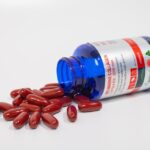
Collagen supplements. Many people take hydrolyzed collagen peptides (broken‑down collagen) with the hope of boosting their own collagen. The evidence is mixed. Some small studies show improvements in skin hydration, elasticity, and wrinkle depth after 8–12 weeks of supplementation. Other studies show no significant benefit compared to placebo. Collagen supplements contain specific amino acids, but your body may or may not use them preferentially for collagen synthesis. The quality of the research is limited, and results vary widely by product and study population. At best, the evidence suggests a modest effect, not a dramatic reversal of aging.
Topical ingredients. Retinoids (vitamin A derivatives) are some of the best‑studied topical agents for stimulating collagen production. Prescription tretinoin has strong evidence. Over‑the‑counter retinol may also help, though it is less potent. Vitamin C serum applied to the skin can protect against UV damage and support collagen synthesis locally. Sunscreen is the most effective topical defense — it prevents UV from breaking down the collagen you already have.
Procedures. Medical treatments such as microneedling, laser resurfacing, and radiofrequency can stimulate collagen production by creating controlled microscopic injuries. The body responds by laying down new collagen as part of the healing process. These treatments have evidence for modest, temporary improvements in skin firmness and wrinkle reduction. Results vary based on the device, the practitioner, and the individual’s baseline collagen status.
For joint health, some studies suggest collagen supplements may reduce pain in people with osteoarthritis. But the evidence is not strong enough for routine clinical recommendations. Many experts advise a balanced diet and regular exercise as a first step.
Is It Possible To Restore Lost Collagen?
No current treatment can fully restore collagen to youthful levels. The natural decline is a programmed part of aging. However, treatments can stimulate new collagen production that partially replenishes what has been lost. The effect is usually modest — a 10–30% increase in collagen density in the treated area, depending on the intervention.
Realistic expectations matter. A 45‑year‑old will not have the same collagen content as a 20‑year‑old. But using sun protection, avoiding smoking, eating a nutrient‑rich diet, and possibly using topical retinoids or undergoing professional treatments can slow the decline and maintain a healthier appearance for longer.
It is also worth noting that collagen is not just about appearance. It supports joint function, bone strength, and wound healing. Maintaining good overall health — balanced diet, exercise, adequate sleep, and limiting alcohol — helps preserve all connective tissues, not just skin.
Frequently Asked Questions
Does eating collagen really help your body make more collagen?
The evidence is mixed. Some small studies show modest improvements in skin hydration and elasticity after taking collagen supplements, but other studies show no benefit. Your body breaks down dietary collagen into amino acids and uses them wherever it needs protein — not specifically for collagen synthesis.
At what age does collagen production start to decline?
Production begins to decrease around the mid‑20s at roughly 1% per year. The decline accelerates around menopause for women and continues gradually for men.
Can you reverse collagen loss with creams or treatments?
No cream or treatment can fully reverse age‑related collagen loss. Prescription retinoids, vitamin C serums, and in‑office procedures like microneedling or laser can stimulate partial new collagen production, but the effect is modest and temporary.
Does sugar really damage collagen?
Yes. Excess sugar in the bloodstream can attach to collagen molecules through a process called glycation, forming advanced glycation end‑products (AGEs). These make collagen stiff and less functional, and they accumulate over time.
