
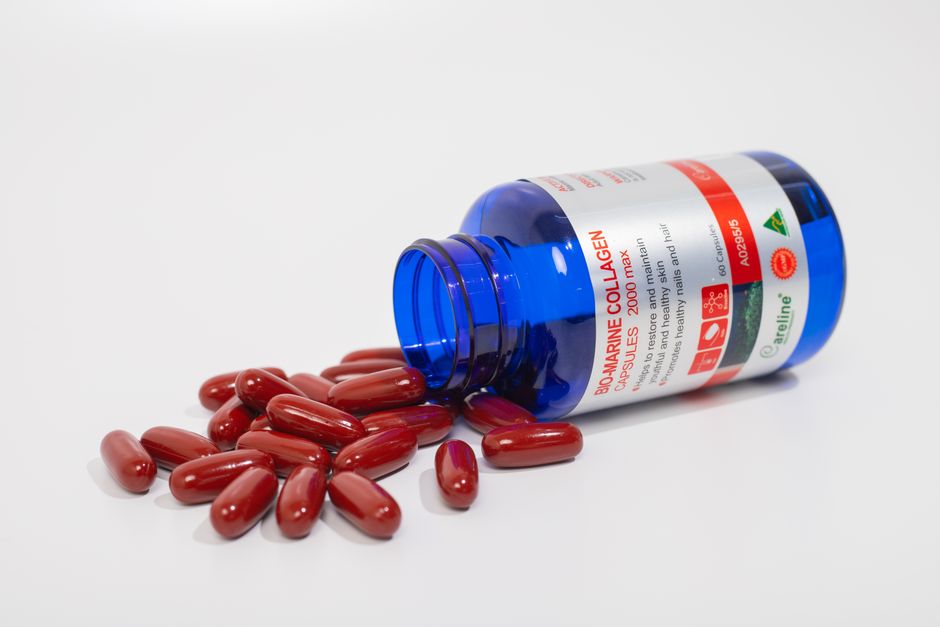
If you are trying to decide between collagen and glucosamine for joint pain, the short answer is that neither has overwhelming evidence that it works for everyone, but they work through completely different mechanisms. Collagen provides the raw protein building blocks for cartilage, while glucosamine is a compound that cartilage naturally contains. For most people, the choice depends on what type of joint issue they have, how long they have had symptoms, and how their body responds to each supplement over a trial period of several weeks.
What Is the Difference Between Collagen and Glucosamine?
Collagen is the most abundant protein in your body. It forms the structural framework for skin, tendons, ligaments, and cartilage. When you take a collagen supplement, usually in the form of hydrolyzed collagen or collagen peptides, your body breaks it down into amino acids. Those amino acids are then used wherever your body needs to build or repair connective tissue.
Glucosamine is an amino sugar that occurs naturally in your cartilage and joint fluid. It is a building block for glycosaminoglycans, which are large molecules that help cartilage hold water and stay resilient. Most commercial glucosamine comes from shellfish shells or is made synthetically in a lab.
The key difference is simple. Collagen is a protein that provides structure. Glucosamine is a sugar-based molecule that supports the cartilage matrix. They are not interchangeable, and they do not do the same job in the body.
How Does Collagen Affect Joint Health?
Cartilage is roughly 60 to 70 percent collagen, specifically type II collagen. When cartilage wears down from aging or repetitive stress, the body needs amino acids to rebuild it. Collagen supplements supply those amino acids directly.
Some research suggests that collagen peptides may stimulate the cells in cartilage, called chondrocytes, to produce new collagen. Studies on collagen supplementation for joint pain have shown modest benefits in some people, particularly those with osteoarthritis. A number of small clinical trials have reported reduced joint pain and improved function after 8 to 12 weeks of daily collagen use.
However, the quality of this research varies. Some trials are well-designed and show real benefits. Others are small, short, or funded by companies that sell collagen. The evidence is promising but not definitive. No study has shown that collagen regenerates damaged cartilage or reverses osteoarthritis.
One thing collagen does well is support overall connective tissue health. People who take it for joints often report that their skin and tendons feel better too. That is consistent with how the supplement works systemically, not just in one joint.
How Does Glucosamine Affect Joint Health?
Glucosamine has been studied far more extensively than collagen for joint issues. It is one of the most researched joint supplements in the world. The bulk of the evidence focuses on osteoarthritis, particularly of the knee.
Large clinical trials have produced mixed results. Some show that glucosamine reduces pain and slows joint space narrowing. Others show no difference compared to placebo. The largest and most rigorous trial, the GAIT study funded by the National Institutes of Health, found that glucosamine alone was no better than placebo for knee osteoarthritis pain over 24 weeks. Some participants did respond well, but so did many people in the placebo group.
Glucosamine may work better in certain subgroups of people. Some evidence suggests that people with moderate to severe osteoarthritis respond better than those with mild joint discomfort. The supplement may also be more effective when combined with chondroitin, another cartilage component.
One important detail: glucosamine is not a fast-acting pain reliever. It does not work like ibuprofen or acetaminophen. If it works at all, it takes several weeks or even months of consistent daily use before you notice a difference.





Which One Has Stronger Clinical Evidence?
Glucosamine has more published clinical trials and more long-term safety data. That does not mean it works better. It means we have a clearer picture of what it does and does not do.
The evidence for glucosamine is genuinely mixed. Some meta-analyses show a modest benefit for pain relief. Others show no meaningful effect. The most honest summary is that glucosamine helps some people with knee osteoarthritis but not everyone, and the effect size is generally small to moderate.
The evidence for collagen is less mature but more consistently positive in early trials. Several randomized controlled trials have reported reduced joint pain with collagen supplementation. The effect sizes in these trials are often comparable to those seen in positive glucosamine trials. However, these studies are fewer in number and often smaller.
For type II collagen specifically, some research suggests it may work through a different mechanism entirely. Rather than providing building blocks, it may modulate the immune system and reduce inflammation in the joint. This is an emerging area of research, and the clinical significance is not yet fully established.
What Does the Research Say About Side Effects?
Both supplements are generally well-tolerated, but they have different safety profiles.
Glucosamine is commonly derived from shellfish. People with shellfish allergies should avoid it or choose a synthetic version. The most common side effects are mild digestive issues like nausea, diarrhea, and heartburn. Glucosamine may also affect blood sugar control in some people, so those with diabetes should monitor their glucose levels if they try it.
Collagen supplements are typically derived from bovine, porcine, or marine sources. They are generally safe, with few reported side effects. Some people experience mild digestive discomfort. Marine collagen can cause an allergic reaction in people with fish allergies. Collagen supplements are not regulated for purity, so it is worth choosing a product from a reputable brand that tests for heavy metals and contaminants.
Neither supplement has been shown to interact dangerously with common medications, but you should always tell your doctor about any supplement you take regularly.
Can You Take Both Collagen and Glucosamine Together?
Yes. There is no known interaction between collagen and glucosamine, and many joint supplements combine them. Taking both is not harmful, and some people find that a combination approach works better than either alone.
The logic is sound. Glucosamine supports the cartilage matrix while collagen provides the structural protein. They target different components of the same tissue. Some product formulations also include chondroitin, vitamin C, or hyaluronic acid.
That said, combining supplements increases cost and the number of pills you take daily. If you want to try both, consider starting with one for six to eight weeks, then adding the other if you tolerate it well. This approach helps you know which one is actually helping if you improve.
Is Collagen Or Glucosamine Better For Joints?
The honest answer is that neither is clearly better for everyone. The right choice depends on your specific situation.
If you have diagnosed knee osteoarthritis, glucosamine has more research behind it. The evidence is mixed, but it is the more studied option. Some people with moderate osteoarthritis do report meaningful pain relief after several weeks of use.
If you have general joint stiffness, tendon issues, or you want to support overall connective tissue health, collagen is a reasonable choice. The research on collagen for joint pain is promising, and the supplement also benefits skin, hair, and nails, which is a nice bonus.
If you have no diagnosed joint condition and just want to maintain healthy joints as you age, either one could work. The evidence for prevention is limited for both. Some research suggests collagen may help maintain cartilage integrity, but no long-term trials have confirmed that taking either supplement prevents osteoarthritis.
One practical consideration is cost. Collagen supplements tend to be more expensive than glucosamine, especially at the doses used in clinical trials. If cost is a concern, glucosamine is the more budget-friendly option to try first.
How Long Should You Try Before Deciding?
Give any joint supplement at least 8 to 12 weeks before judging whether it works. Cartilage repair is slow, and neither supplement works quickly.
Track your symptoms during the trial period. Keep a simple daily log of your pain level, stiffness, and how well you function in daily activities. This gives you objective data rather than relying on memory and impression.
If you notice no improvement after three months, the supplement is probably not working for you. Trying a different one, or a different dose, may be worth considering. But do not keep taking a supplement indefinitely if it is not helping.
Remember that supplements are not a substitute for other joint health measures. Maintaining a healthy weight, staying physically active, and doing strength training around your joints are all proven strategies for managing joint pain. No supplement can replace those foundations.
Frequently Asked Questions
Can I take collagen and glucosamine at the same time?
Yes, they can be taken together and are often combined in joint supplements. They work through different mechanisms and no known interaction exists between them.
Which is better for knee osteoarthritis, collagen or glucosamine?
Glucosamine has more research behind it for knee osteoarthritis, but the evidence is mixed and it only helps some people. Collagen has newer but promising evidence for reducing joint pain.
How long does it take for joint supplements to work?
Most clinical trials show benefits appearing after 8 to 12 weeks of daily use. Neither supplement works quickly like a pain reliever.
Is glucosamine safe for people with shellfish allergies?
Most glucosamine is derived from shellfish shells and can trigger allergic reactions. Synthetic versions are available that are safe for people with shellfish allergies.
