
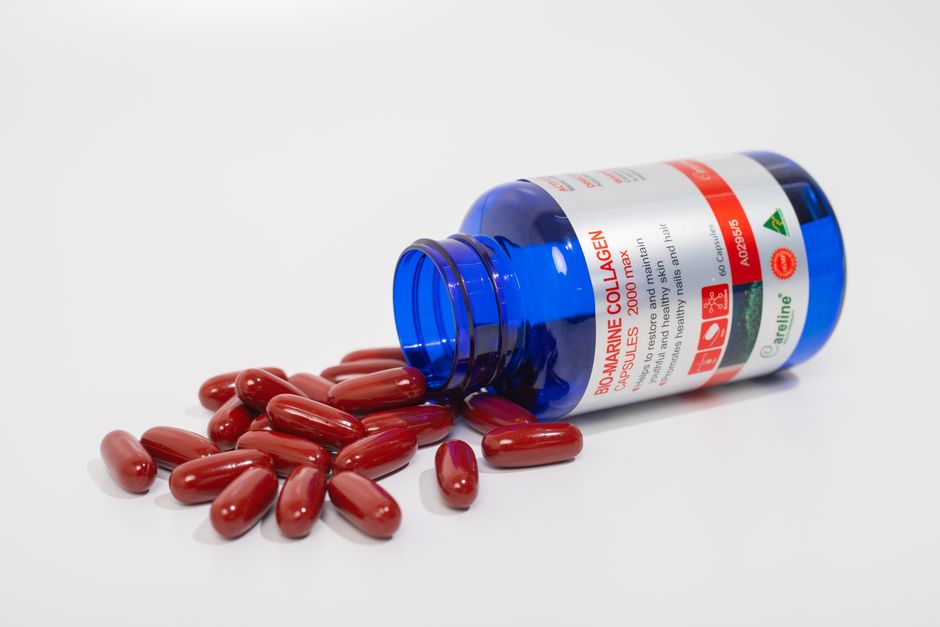
Collagen supplements are among the most popular wellness products on the market, but they are not for everyone. If you have a fish or shellfish allergy, a history of kidney stones, or certain digestive conditions, you may need to avoid them or choose a specific type. Pregnant and breastfeeding women should also consult their doctor before starting, because no clinical guidelines currently confirm safety for these groups.
Who Should Not Take Collagen Supplements?
Collagen supplements are generally safe for most healthy adults, but specific groups face real risks. People with allergies to the source ingredient — typically fish, shellfish, or beef — should avoid collagen derived from those animals. A severe allergic reaction can occur even from trace amounts.
Anyone with a history of calcium oxalate kidney stones should be cautious. Collagen is rich in the amino acid hydroxyproline, and your body converts it into oxalate. High oxalate levels in urine are a known risk factor for kidney stone formation. Some research suggests that regular collagen supplementation can increase urinary oxalate excretion, which may raise stone risk in susceptible people.
What Are the Risks of Collagen for People with Kidney Stones?
The connection between collagen and kidney stones comes down to chemistry. Collagen contains large amounts of glycine and hydroxyproline. When your body breaks down hydroxyproline, it produces oxalate as a byproduct. Your kidneys filter oxalate out of your blood into your urine.
In people who already form calcium oxalate stones, extra oxalate in the urine can be a problem. It binds with calcium to form crystals, and those crystals can grow into stones. Studies have shown that taking collagen supplements can measurably raise urinary oxalate levels within hours. For someone who has never had a stone, this increase may not matter. For a recurrent stone former, it can be a meaningful risk.
If you have had kidney stones in the past, especially calcium oxalate stones, talk to your urologist or nephrologist before taking collagen. They can review your stone analysis and urine chemistry to give you a personalized answer.
Can Collagen Supplements Cause Digestive Problems?
Some people experience digestive discomfort from collagen supplements. Reported symptoms include bloating, a feeling of fullness, heartburn, and changes in bowel habits. These effects are not universal, and the evidence is mostly anecdotal rather than from controlled trials.
People with irritable bowel syndrome or other functional gut disorders may be more sensitive. Collagen peptides are broken down proteins, but they can still draw water into the intestines or ferment in the colon in some individuals. If you have a diagnosed digestive condition, start with a low dose to see how your body responds. If symptoms appear, stop and talk to your doctor.
There is no evidence that collagen causes damage to the digestive tract. The issues are about tolerance and comfort, not tissue injury.


Are Collagen Supplements Safe During Pregnancy and Breastfeeding?
No clinical guidelines currently exist for collagen supplementation during pregnancy or breastfeeding. This is not because collagen is known to be harmful. It is because no controlled studies have been done in these populations.
Most prenatal vitamins contain some collagen precursors, but the supplements themselves are not regulated as rigorously as medications. The FDA does not review dietary supplements for safety or effectiveness before they reach the market. That means the product you buy may contain ingredients or contaminants not listed on the label.
If you are pregnant or nursing, the safest approach is to get collagen-building nutrients from food. Protein, vitamin C, copper, and zinc are all needed for your body to make its own collagen. Bone broth, eggs, fish, poultry, and legumes provide these building blocks without the uncertainty of a supplement.
What About People with Fish or Shellfish Allergies?
Many collagen supplements are derived from marine sources — fish skin and scales, or shellfish. If you have a documented allergy to fish or shellfish, these products can trigger an allergic reaction. The proteins in marine collagen can be similar enough to the allergens in the whole food to cause a response.
Some marine collagen products claim to be so highly processed that they are safe for people with allergies. This is not well studied, and the risk varies by product and by individual sensitivity. No reliable evidence currently confirms that any marine collagen product is safe for someone with a fish or shellfish allergy.
If you have this allergy but still want to try collagen, look for bovine (beef) or porcine (pork) sources. These come from animal hides and bones, not from fish. Even then, check the label carefully for cross-contamination warnings.
Do Collagen Supplements Interact with Medications?
Collagen itself is not known to interact dangerously with common medications. However, the supplements are not just collagen. They often contain added vitamins, minerals, and botanical extracts. These additives can interact with medications in ways that collagen alone would not.
For example, some collagen products contain high doses of vitamin C, which can affect how your body absorbs iron. Others include biotin, which can interfere with certain lab tests, including thyroid function tests. If you take prescription medications, show the supplement label to your pharmacist. They can check for interactions you might not expect.
People on blood thinners should be especially careful. Some collagen supplements contain vitamin K, which can reduce the effectiveness of warfarin. This is not a collagen problem — it is a supplement formulation problem. Read the full ingredient list before you buy.
What Does the Evidence Actually Show About Collagen Benefits?
Collagen supplements are heavily marketed for skin, hair, nails, and joint health. The evidence is real but modest. Some studies have found that collagen peptides can improve skin elasticity and hydration, and others suggest benefits for joint pain in people with osteoarthritis. The effect sizes are small, and the studies are often funded by companies that make collagen products.
It is important to understand that your body does not use the collagen you swallow directly. Your digestive system breaks it down into amino acids and small peptides. Your body then uses those building blocks wherever it needs them — not specifically in your skin or joints. Taking collagen does not guarantee that your body will build more collagen in the places you want it.
Your body makes its own collagen from protein in your diet. If you already eat enough protein, an extra collagen supplement may not add much. The nutrients that help your body produce collagen — vitamin C, zinc, copper — are found in fruits, vegetables, nuts, and whole grains. A balanced diet supports collagen production without any supplement.
How to Choose a Collagen Supplement Safely
If you decide collagen is right for you, choose the source carefully. Marine collagen comes from fish. Bovine collagen comes from cows. Porcine collagen comes from pigs. Match the source to any allergies you have.
Look for products that have been third-party tested. This means an independent lab has verified that the product contains what the label claims and does not contain harmful contaminants. The testing does not prove the product works, but it does reduce the risk of getting something unexpected.
Start with a low dose and monitor how you feel. Common doses in studies range from 2.5 to 15 grams per day, but you do not need to start at the high end. Give your body time to adjust, and stop if you notice digestive discomfort or any allergic symptoms like hives, itching, or swelling.
Frequently Asked Questions
Can collagen supplements cause kidney stones?
Yes, in people who are prone to calcium oxalate stones, collagen can increase oxalate in the urine and raise stone risk. If you have a history of kidney stones, talk to your doctor before taking collagen.
Is collagen safe for people with fish allergies?
Marine collagen comes from fish or shellfish and can trigger allergic reactions in sensitive people. Choose bovine or porcine collagen instead, and check the label for cross-contamination warnings.
Can I take collagen while pregnant?
No clinical guidelines currently confirm safety for pregnancy or breastfeeding. Talk to your obstetrician before starting any supplement, and consider getting collagen-building nutrients from food instead.
Does collagen cause digestive problems?
Some people report bloating, heartburn, or changes in bowel habits when taking collagen. These effects are not universal, and the evidence is mostly anecdotal rather than from controlled trials.
