
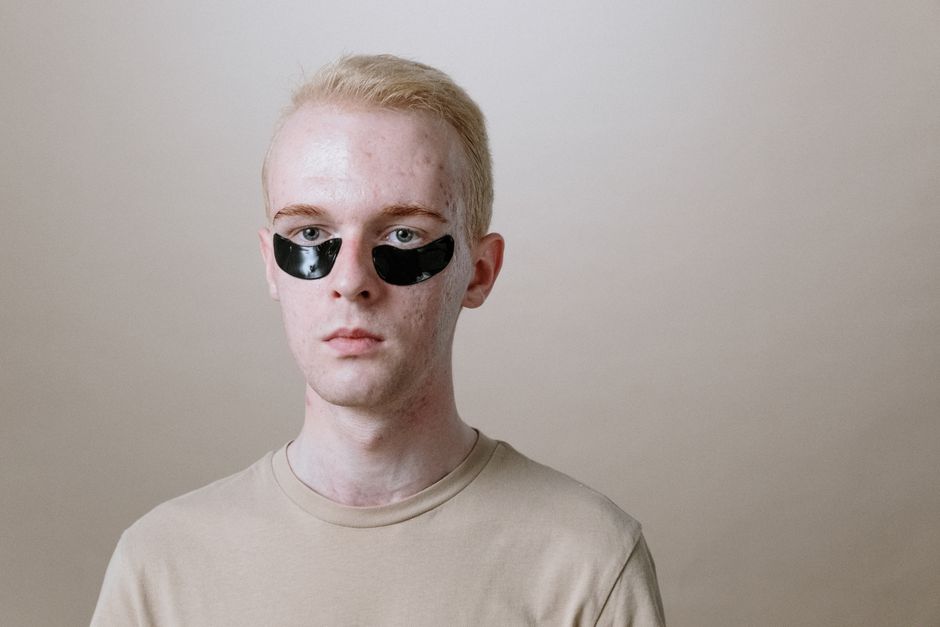
Acne scars are not the same as acne marks, and that distinction changes everything about treatment. True scars are caused by a loss or overgrowth of collagen, and the treatments with the strongest evidence are procedures performed by a dermatologist, not products you apply at night. Topical creams can fade red or brown discoloration, but they generally cannot rebuild lost tissue or flatten raised scars.
What Helps Acne Scars Go Away Treatments That Work?
Treatment depends on the type of scar you have, because different scars respond to different approaches. Dermatologists classify acne scars into two broad groups: atrophic scars, which sit below the surface of the skin, and hypertrophic or keloid scars, which rise above it.
Atrophic scars are the most common. They form when inflammation from acne damages collagen and the skin heals with less tissue than before. These come in a few shapes:
- Ice pick scars are narrow and deep, like a small puncture.
- Boxcar scars have sharp, defined edges and a flat or slightly rounded base.
- Rolling scars have sloped edges that give the skin a wavy texture.
Hypertrophic scars and keloids are raised. They happen when the skin produces too much collagen during healing. Keloids extend beyond the original injury site, while hypertrophic scars stay within it.
This matters because a treatment that works well for a rolling scar may do little for an ice pick scar, and the approach for a raised scar is different again. There is no single product or procedure that resolves every type.
Why Do Acne Scars Form in the First Place?
Scars form when acne inflammation runs deep enough to damage the dermis, the layer of skin below the surface where collagen and elastin live. Surface-level pimples that heal quickly usually leave no scar. Deep, inflamed lesions such as nodules and cysts are far more likely to.
Several factors raise the risk of scarring:
- Severe or cystic acne
- Delaying treatment for active acne
- Picking, squeezing, or popping lesions
- A personal or family tendency toward scarring
The single most effective way to prevent acne scars is to treat active acne early and well. Once a scar has formed, the goal shifts from prevention to revision, and results are usually improvement rather than complete removal.
Squeezing pimples is a common habit that makes scarring worse. The pressure pushes inflammation deeper into the skin and can turn a temporary blemish into a permanent mark.
What Is the Difference Between Acne Scars and Acne Marks?
This is one of the most misunderstood points in skin care. Many people who believe they have scars actually have post-inflammatory marks, and those fade on their own.
Post-inflammatory erythema (PIE) shows up as flat red or pink spots. Post-inflammatory hyperpigmentation (PIH) shows up as flat brown spots. Both are color changes, not textural changes. The skin surface stays smooth.
True scars change the texture or contour of the skin. They create indentations, raised areas, or a wavy surface you can feel with a fingertip.
The practical difference is important. Marks often fade over months without treatment, though this can be slow and varies widely between people. Scars do not resolve on their own. No topical product will fill in a depressed scar or flatten a keloid.
If you press a finger along the skin and it feels uneven, you are likely dealing with a scar. If the surface is smooth and only the color has changed, you are likely dealing with a mark.





Which Professional Treatments Have the Best Evidence?
In-office procedures are the mainstay for true acne scars, and several have meaningful evidence behind them. The right choice depends on scar type, skin tone, and how much downtime you can accept.
Laser resurfacing. Fractional lasers treat the skin in small columns, leaving surrounding tissue intact to speed healing. Ablative fractional lasers remove the top layer of skin and tend to produce more dramatic results with longer recovery. Non-ablative fractional lasers are gentler with less downtime but often need more sessions. Research generally supports fractional laser treatment for atrophic scars, with results building over multiple sessions.
Microneedling. Fine needles create controlled micro-injuries that trigger collagen production. It is often used for rolling and boxcar scars. Evidence supports microneedling for atrophic acne scars, and it is generally well tolerated with limited downtime. Radiofrequency microneedling adds heat energy and is used for similar purposes.
Chemical peels. Medium and deep peels can improve some atrophic scars by removing damaged surface layers and prompting new collagen. Superficial peels mostly affect pigmentation and texture rather than deep scars.
Subcision. A small needle is used to release fibrous bands that pull the skin down, which is the mechanism behind rolling scars. It is often combined with other treatments.
Fillers. Injectable fillers can temporarily lift depressed scars. Results are not permanent and require repeat treatment.
Punch techniques. For ice pick and some boxcar scars, a dermatologist may remove the scar entirely with a small punch and close or graft the skin.
Steroid injections. For raised hypertrophic scars and keloids, corticosteroid injections are a standard first-line treatment. They can flatten the scar, though repeat injections are usually needed.
Most people need a combination of approaches and more than one session. Improvement is the realistic goal. Complete removal of every scar is uncommon.
Do Over-the-Counter Products Help Acne Scars?
Over-the-counter products can help with marks and pigmentation. They do not rebuild lost collagen or change scar texture in any meaningful way. Marketing language often blurs this line.
What topicals can realistically do:
- Fade brown post-inflammatory hyperpigmentation
- Support overall skin turnover and tone
- Reduce the redness of post-inflammatory erythema to some degree
What topicals generally cannot do:
- Fill in an ice pick, boxcar, or rolling scar
- Flatten a keloid or hypertrophic scar
- Replace collagen lost in the dermis
Ingredients such as retinoids, vitamin C, niacinamide, and azelaic acid have some evidence for improving pigmentation and skin tone. None of them are established treatments for depressed or raised scars. No study has confirmed that a cream can reverse a structural scar.
Sun protection matters for a different reason. Ultraviolet exposure can darken post-inflammatory hyperpigmentation and slow its fading, so daily sunscreen supports the appearance of marks over time.
Can Acne Scars Go Away on Their Own?
True scars do not resolve on their own. Marks often do. This distinction is the reason some people see improvement without treatment while others do not.
Post-inflammatory redness and brown spots can fade over months as the skin replaces pigmented cells and calms inflammation. The timeline varies widely between individuals, and darker skin tones often take longer to clear hyperpigmentation.
Structural scars are different. Once collagen has been lost or overproduced, the skin does not rebuild that architecture by itself. Depressed scars stay depressed. Raised scars may soften somewhat over time, but keloids in particular can persist or grow.
Treating active acne is the one step that reliably reduces the risk of new scars forming. If acne is still active, controlling it comes first. Treating scars while new lesions keep forming is like repairing a wall while it is still being knocked down.
What Should You Expect From Treatment?
Realistic expectations prevent disappointment. Most acne scar treatments produce gradual improvement over weeks to months, not overnight change.
Collagen remodeling takes time. Results from lasers, microneedling, and peels typically appear weeks after a session and continue to develop for months. Multiple sessions are usually required, often spaced several weeks apart.
Side effects depend on the procedure. Redness, swelling, and temporary sensitivity are common after laser and microneedling treatments. Pigment changes are a risk, particularly in darker skin tones, which is why choosing an experienced dermatologist matters.
Some scars respond better than others. Rolling scars often improve well with subcision and microneedling. Ice pick scars can be stubborn and may need punch techniques. Keloids have a tendency to recur even after successful treatment.
Anyone considering treatment should have a conversation with a board-certified dermatologist who can assess scar type, skin tone, and history. The best plan is matched to the specific scars in front of them, not chosen from a general list.
Frequently Asked Questions
Can acne scars really go away completely?
Complete removal of acne scars is uncommon, and most treatments aim for meaningful improvement rather than erasure. Marks from pigmentation can fade fully, but structural scars usually improve rather than disappear.
What is the most effective treatment for acne scars?
There is no single most effective treatment, because results depend on scar type. Fractional laser, microneedling, subcision, and steroid injections each work best for specific scar patterns, and combination approaches are common.
Do acne scar creams from the drugstore actually work?
Topical creams can fade red and brown marks but generally cannot rebuild lost collagen or change scar texture. No study has confirmed that a cream can reverse a depressed or raised scar.
How long does it take to see results from acne scar treatment?
Results usually appear weeks after a session and continue to develop for months as collagen remodels. Most people need multiple sessions spaced several weeks apart.
