
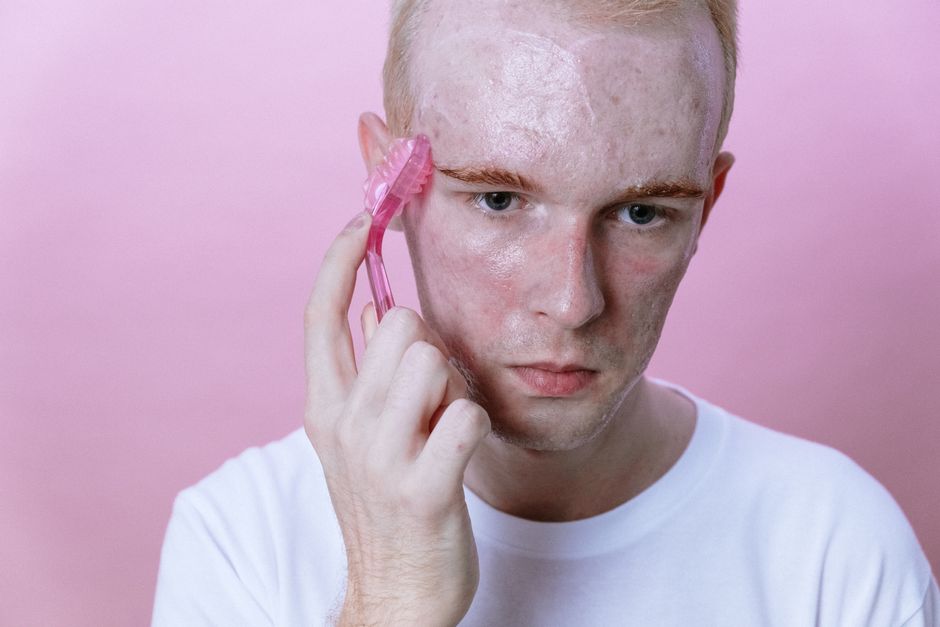
Active acne is not one single condition. It is a broad term for any acne lesion that is currently inflamed or developing — the pimples, pustules, and nodules you can see and feel right now. Active acne is different from acne scars or dark spots, which are the marks left behind after the active lesion heals. Treating active acne means targeting the inflammation and the bacteria involved while preventing new lesions from forming.
What Is Active Acne Types? Causes And Treatments
Active acne types are classified by their appearance and depth in the skin. The main types are blackheads, whiteheads, papules, pustules, nodules, and cysts. Each type has a slightly different cause and responds to different treatments. Understanding which type you have helps you choose the right approach and avoid making the condition worse.
What Are the Different Types of Active Acne?
Acne forms when hair follicles become plugged with oil and dead skin cells. The type of acne depends on whether the plug is open or closed, and whether bacteria cause inflammation deep in the follicle.
Blackheads are open comedones. The plug stays open to the surface, and the dark color is oxidized oil, not dirt. They are not inflamed and are considered non-inflammatory acne.
Whiteheads are closed comedones. The plug is trapped below the skin surface, forming a small white or flesh-colored bump. They are also non-inflammatory.
Papules are small, red, tender bumps. They form when the follicle wall breaks and white blood cells rush in, causing inflammation. Papules are the first visible sign of inflammatory acne.
Pustules look like papules but have a white or yellow center filled with pus. The pus is a collection of dead white blood cells, bacteria, and oil. Pustules are inflamed and often what people call “pimples.”
Nodules are large, hard, painful lumps deep under the skin. They form when the follicle wall breaks deep in the dermis, causing a significant inflammatory response. Nodules do not have a visible head and can take weeks to resolve.
Cysts are the most severe form of active acne. They are deep, pus-filled lesions that feel soft to the touch. Cysts carry the highest risk of scarring and often require medical treatment. Some dermatologists now use the term “nodulocystic acne” because nodules and cysts frequently occur together.
What Causes Active Acne to Develop?
Four main factors drive acne formation: excess oil production, clogged pores, bacteria, and inflammation. Hormones trigger the process, which is why acne often starts or worsens during puberty, menstrual cycles, and times of hormonal change.
Androgens, the male sex hormones present in both men and women, stimulate the sebaceous glands to produce more oil. When oil mixes with dead skin cells, it can block the follicle opening. This creates the non-inflammatory lesions — blackheads and whiteheads.
The bacteria Cutibacterium acnes (formerly Propionibacterium acnes) lives on everyone’s skin. When a follicle becomes blocked, these bacteria multiply inside the trapped oil. The immune system responds by sending white blood cells to fight the bacteria, which causes redness, swelling, and pus. That response is the inflammatory acne — papules, pustules, nodules, and cysts.
Genetics also play a role. If your parents had severe acne, you are more likely to develop it. Diet may influence acne in some people, though the evidence is not as strong as the hormonal and bacterial causes. Some studies suggest high-glycemic foods and dairy may worsen acne in certain individuals, but results are mixed and individual responses vary.


How Is Active Acne Treated?
Treatment depends on the severity and type of acne. Mild acne with mostly blackheads and whiteheads often responds to over-the-counter products. Moderate to severe inflammatory acne usually needs prescription treatment.
Benzoyl peroxide is a common first-line treatment. It kills C. acnes bacteria and helps remove excess oil. It works well for papules and pustules but can cause dryness and irritation, especially in higher concentrations.
Salicylic acid helps unclog pores by breaking down the bonds between dead skin cells. It is most effective for blackheads and whiteheads. It does not kill bacteria, so it is less useful alone for inflammatory acne.
Topical retinoids such as adapalene, tretinoin, and tazarotene are vitamin A derivatives. They normalize the way skin cells shed, preventing follicles from becoming blocked. Retinoids are considered the most effective treatment for preventing new comedones. They are available both over-the-counter and by prescription. Adapalene 0.1% is available without a prescription in the United States.
Topical antibiotics like clindamycin and erythromycin reduce bacteria on the skin. They are usually combined with benzoyl peroxide or a retinoid to reduce the risk of bacterial resistance. Antibiotics alone are not recommended for long-term use.
Oral antibiotics such as doxycycline, minocycline, and sarecycline are prescribed for moderate to severe inflammatory acne. They work by reducing bacteria and decreasing inflammation. Oral antibiotics are typically used for three to four months, not as a long-term solution.
Oral contraceptives are approved for acne treatment in women. They work by lowering androgen levels, which reduces oil production. They can be highly effective but require a prescription and are not appropriate for everyone.
Spironolactone is another option for women with hormonal acne. It blocks androgen receptors and reduces oil production. It is used off-label for acne but has strong evidence supporting its effectiveness.
Isotretinoin is a powerful oral retinoid reserved for severe nodulocystic acne that has not responded to other treatments. It is highly effective and can produce long-term remission, but it has significant side effects and requires close medical monitoring. It is a controlled substance under the iPLEDGE program in the United States because it causes severe birth defects.
How Long Does It Take for Active Acne to Clear?
Most acne treatments take time to work. Topical retinoids can take eight to twelve weeks to show meaningful improvement. Benzoyl peroxide and salicylic acid may produce visible changes in a few days to weeks, but clearing active lesions and preventing new ones takes consistent use.
Oral antibiotics typically show improvement within six to eight weeks. Isotretinoin treatment usually lasts four to six months and can lead to complete or near-complete clearing in many patients.
One important point: acne treatments do not cure acne permanently. The condition often requires ongoing maintenance. Stopping treatment usually allows acne to return, sometimes within weeks. The goal of treatment is to control active lesions and prevent scarring, not to permanently eliminate the condition in most cases.
What Makes Active Acne Worse?
Several habits can worsen active acne or slow healing. Picking or squeezing lesions pushes bacteria deeper into the skin and increases inflammation and scarring risk. It is one of the most common ways people make acne worse.
Heavy, oil-based cosmetics and hair products can clog pores and trigger new lesions. Look for products labeled “non-comedogenic,” which means they are formulated not to block pores. However, this label is not strictly regulated, so individual reactions still vary.
Stress does not cause acne, but it can worsen it. Stress hormones like cortisol can increase oil production, making existing acne worse or triggering new breakouts.
Certain medications can cause or worsen acne. These include corticosteroids, lithium, some anti-seizure drugs, and testosterone supplements. If you notice acne after starting a new medication, talk to your doctor before stopping it.
When Should You See a Dermatologist?
See a dermatologist if over-the-counter products have not improved your acne after eight to twelve weeks of consistent use. Also seek medical care if you have nodules or cysts, if acne is leaving scars, or if it is causing significant emotional distress.
Severe inflammatory acne — nodules and cysts — rarely responds to over-the-counter products alone. These deep lesions carry the highest risk of permanent scarring. Early treatment with prescription options can prevent long-term skin damage.
Sudden, severe acne in an adult can sometimes signal an underlying medical condition. If acne appears alongside other symptoms like irregular periods, excess facial hair, or rapid weight gain, mention these to your doctor. These could indicate a hormonal disorder such as polycystic ovary syndrome (PCOS).
Frequently Asked Questions
Is active acne the same as a breakout?
Yes, “active acne” and “breakout” both refer to inflammatory lesions currently forming on the skin. A breakout usually describes a sudden flare of multiple lesions, while active acne is the broader term for any acne that is inflamed or developing.
Can active acne go away without treatment?
Mild acne can resolve on its own, but inflammatory lesions like nodules and cysts often persist for weeks and may scar without treatment. Treatment speeds healing and reduces the risk of permanent marks.
Does toothpaste help active acne?
No clinical evidence supports using toothpaste on acne. Toothpaste contains ingredients that can irritate the skin and worsen inflammation. Use a proven acne treatment like benzoyl peroxide instead.
What is the fastest way to reduce active acne?
Prescription treatments like topical retinoids and oral antibiotics act fastest for inflammatory acne, but no treatment works overnight. Benzoyl peroxide can reduce bacteria quickly, but consistent daily use over weeks is required for visible clearing.
