
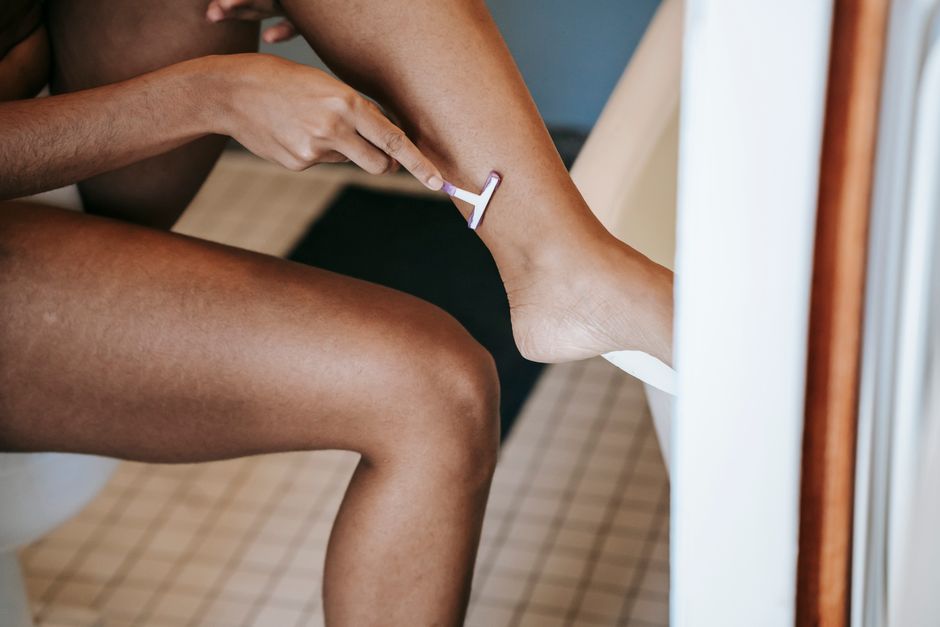
An ingrown pubic hair is a hair that curls back and grows into the skin instead of up and out. It causes a red, sometimes painful bump that can look like a pimple. The best treatments are simple: apply a warm compress, gently exfoliate the area, and use over-the-counter products that reduce inflammation or help the hair surface. Avoid picking or squeezing the bump, as this raises the risk of infection and scarring.
What Causes Ingrown Pubic Hairs?
Ingrown hairs happen after hair removal. Shaving, waxing, or plucking cuts the hair at an angle or below the skin surface. When the hair grows back, it may pierce the skin wall instead of emerging through the follicle opening. The body then treats the hair as a foreign object, triggering inflammation.
The pubic area is especially prone to this. Pubic hair is coarser and curlier than scalp hair, which makes it more likely to curl back into the skin. Tight clothing and friction can also push the hair back down after it has started to grow out.
Some people are simply more prone to ingrown hairs due to hair texture. People with naturally curly or coarse hair experience them more often. This is not a hygiene issue. Washing more frequently does not prevent ingrown hairs.
What To Put On Ingrown Pubic Hair? Treatments That Work
Several over-the-counter options are proven to help. The most effective treatments work by either reducing inflammation or helping the trapped hair reach the surface.
Warm compresses are the first step. Apply a clean cloth soaked in warm water to the area for 10 to 15 minutes, two to three times a day. The heat softens the skin and helps the hair come closer to the surface. This is often enough to resolve a mild ingrown hair on its own.
Exfoliating acids are the next line of treatment. Products containing salicylic acid or glycolic acid help remove dead skin cells that trap the hair. Salicylic acid is a beta hydroxy acid that penetrates oil and works well on the pubic area. Glycolic acid is an alpha hydroxy acid that exfoliates the surface layer of skin. Both are available in lotions, pads, or serums designed for body use.
Look for products labeled for sensitive skin or specifically for ingrown hairs. Apply a thin layer once daily, preferably after a shower. Start with every other day if your skin is sensitive, then increase to daily use as tolerated.
Hydrocortisone cream (1%) reduces redness and itching. It does not help the hair surface, but it calms the inflammatory response. Use it sparingly for no more than a few days. Prolonged use of topical steroids can thin the skin.
Witch hazel is a mild astringent that some people find soothing. It has anti-inflammatory properties, but clinical evidence for treating ingrown hairs is limited. It may help reduce redness without the risks of stronger products.
What Not To Put On Ingrown Pubic Hairs
Some common remedies do more harm than good. Avoid these:
- Antibiotic ointments like Neosporin. These treat bacterial infections, not ingrown hairs. Using them unnecessarily can irritate the skin and contribute to antibiotic resistance.
- Toothpaste. A viral home remedy, but it has no evidence behind it. Toothpaste can burn or dry out sensitive skin.
- Tea tree oil undiluted. It has antibacterial properties, but full-strength tea tree oil commonly causes contact dermatitis on sensitive areas. If you use it, dilute it heavily with a carrier oil. Even then, evidence for treating ingrown hairs is anecdotal.
- Picking or squeezing. This is the most important thing to avoid. It introduces bacteria deeper into the skin and increases the chance of scarring and infection.



When To See A Doctor
Most ingrown pubic hairs resolve within one to two weeks with home care. See a doctor if the bump does not improve after two weeks of treatment, or if you notice signs of infection.
Signs of infection include increasing pain, swelling, warmth, pus, or red streaks spreading from the bump. A fever alongside a skin bump warrants prompt medical attention.
A doctor can remove a stubborn ingrown hair with a sterile needle or scalpel. This is a quick office procedure. They may also prescribe a topical antibiotic if an infection is present, or a stronger prescription-strength steroid if inflammation is severe.
Some skin conditions mimic ingrown hairs. Genital herpes, molluscum contagiosum, and folliculitis can all produce bumps in the pubic area. If you are unsure what you are looking at, or if bumps appear in clusters or recur in the same spot, get a professional evaluation. Do not assume every bump is an ingrown hair.
How To Prevent Ingrown Pubic Hairs
Prevention is more effective than treatment. The most reliable way to prevent ingrown hairs is to stop removing pubic hair entirely. Trimming with scissors or an electric trimmer leaves hair above the skin surface, so it cannot grow back into the skin.
If you continue to shave, follow these practices:
- Shave in the direction of hair growth. This is less close than shaving against the grain, but it significantly reduces ingrown hairs.
- Use a sharp, single-blade razor. Multi-blade razors pull the hair up before cutting it, which allows the hair to retract below the skin surface.
- Shave after a warm shower. Heat softens the hair and opens the follicle.
- Use shaving cream or gel. Dry shaving increases irritation and the chance of cutting the hair at an angle.
- Do not stretch the skin taut while shaving. This causes the hair to retract further below the surface after cutting.
Exfoliating two to three times per week between shaves helps keep the follicle opening clear. Many dermatologists recommend a salicylic acid body wash or a gentle physical scrub. Stop exfoliating if your skin becomes irritated.
Wearing loose clothing after hair removal reduces friction. Tight underwear or pants can push freshly shaved hairs back into the follicle.
Do Ingrown Pubic Hairs Go Away On Their Own?
Yes, most do. The body eventually either pushes the hair out or absorbs it through the inflammatory process. This typically takes one to two weeks.
Warm compresses and gentle exfoliation speed this up. In some cases, the hair remains trapped and the bump persists. If this happens, a doctor can release the hair with a sterile instrument. Do not attempt this yourself with tweezers or needles at home.
Rarely, an ingrown hair can develop into a condition called pseudofolliculitis barbae, which is a chronic inflammatory reaction to ingrown hairs. It is more common in men who shave their faces but can occur in the pubic area. This condition may require prescription treatments and a change in hair removal method.
Frequently Asked Questions
Can I pop an ingrown pubic hair like a pimple?
No. Popping it pushes bacteria deeper and increases the risk of infection and scarring.
How long does an ingrown pubic hair last?
Most resolve within one to two weeks with warm compresses and gentle exfoliation.
Is it safe to use salicylic acid on pubic skin?
Yes, when used as directed on products made for body use, but start with every-other-day application if your skin is sensitive.
Should I stop shaving to get rid of ingrown hairs?
Stopping shaving for at least two to four weeks gives the area time to heal and is the most effective prevention.
