
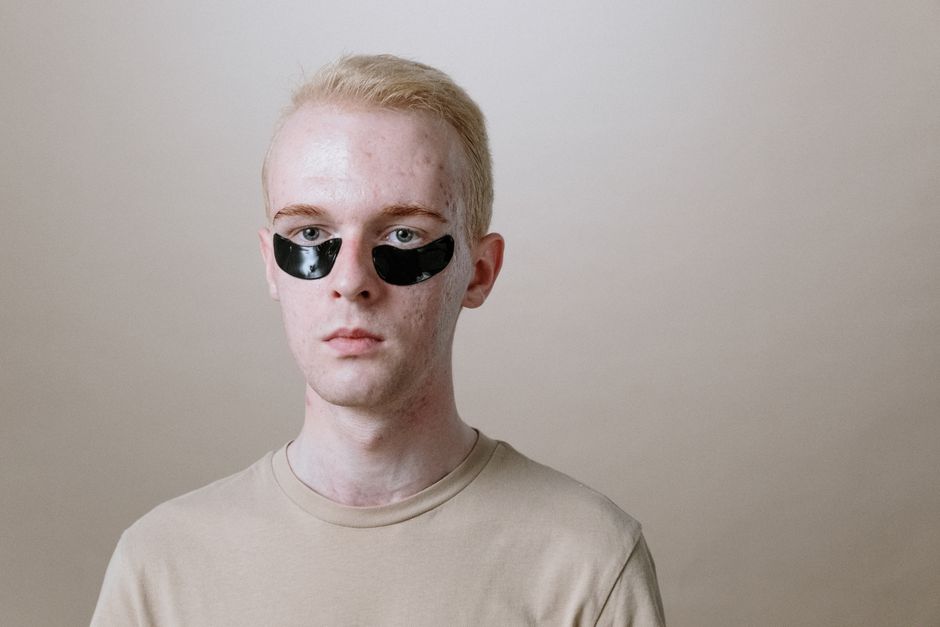
Acne scars are the leftover marks from past breakouts, and they do not fade on their own in most cases. The right treatment depends entirely on the type of scar you have — pitted, raised, or discolored. Dermatologists use different tools for each kind, and the most effective options are medical procedures, not over-the-counter creams. If you want real results, start by identifying your scar type, then match the treatment to it.
What Are the Different Types of Acne Scars?
Acne scars fall into three main categories. Each type responds to different treatments, so this distinction matters more than anything else.
Atrophic scars are the most common. These are sunken or depressed areas in the skin. They form when the skin loses collagen during the healing process. There are three subtypes: ice pick scars (narrow and deep), boxcar scars (broad with sharp edges), and rolling scars (wide with a wavy appearance).
Hypertrophic scars are raised. They happen when the body produces too much collagen while healing. These are more common on the chest and back than on the face.
Post-inflammatory hyperpigmentation (PIH) is not a true scar. It is a flat, dark or red mark left after a pimple heals. This type of mark responds to different treatments and often fades over time, though it can take months.
Knowing which type you have changes your treatment plan completely. A cream that works for dark marks will not fill in a pitted scar.
What Do With Acne Scars Treatments That Work — The Medical Options
Dermatologists have a range of proven procedures for acne scars. The right one depends on your scar type, skin tone, and budget. Here is what the evidence actually supports.
Laser resurfacing is one of the most effective treatments for atrophic scars. Ablative lasers remove the top layer of skin and stimulate new collagen growth. Recovery takes about a week. Non-ablative lasers work deeper without removing the surface layer, but results are more modest and multiple sessions are needed. Fractional lasers, which treat only a fraction of the skin at a time, are now the standard approach because they offer good results with faster healing.
Microneedling uses tiny needles to create controlled micro-injuries in the skin. This triggers collagen production. Research shows it improves atrophic scars, though results are gradual. Most people need three to six sessions spaced a month apart. Radiofrequency microneedling adds heat energy to the needles, which some studies suggest gives better results for deeper scars.
Chemical peels use acids to remove the outer layer of skin. Medium-depth peels with trichloroacetic acid (TCA) can improve shallow boxcar and rolling scars. Light peels with glycolic or salicylic acid mainly help with discoloration, not true scarring. Peels produce the most noticeable results when done in a series.
Subcision is a procedure where a needle is inserted under the skin to break up the fibrous bands that pull the skin down. It works specifically for rolling scars. It is often combined with other treatments like microneedling or lasers for better results.
Punch excision is the standard treatment for ice pick scars. The dermatologist uses a small circular tool to cut out the scar, then closes the wound with a stitch. The scar heals as a flat line that is much less noticeable than the original pit.
Dermal fillers can temporarily lift depressed scars by adding volume under the skin. Results are immediate but not permanent. Fillers last anywhere from six months to two years depending on the product used. This option works best for rolling scars and deep boxcar scars.
No single treatment works for everyone. Many people need a combination approach. A dermatologist will often plan a series of treatments over several months rather than relying on one procedure.
Do Acne Scar Creams and Home Remedies Actually Work?
This is where the marketing noise gets loud. The honest answer: most over-the-counter products will not change the structure of a true scar.
Silicone gels and sheets are the exception for raised scars. They are well-studied and effective for hypertrophic scars. They work by hydrating the scar tissue and regulating collagen production. They do not work for pitted scars.
Topical retinoids like adapalene and tretinoin can help with discoloration and may slightly improve skin texture over many months. They do not fill in deep pits. They are useful as part of a broader plan but are not a standalone scar treatment.
Vitamin C serums, niacinamide, and kojic acid can help fade dark marks. They do nothing for depressed or raised scars. These ingredients are worth using if hyperpigmentation is your main concern.
Home remedies like lemon juice, toothpaste, and baking soda have no evidence behind them. They can irritate the skin and make hyperpigmentation worse. Skip them.
If a product promises to erase deep scars in weeks, that claim is not supported by evidence. Structural scars require medical intervention to change.





How Long Does It Take to See Results?
Patience is not optional here. Scar remodeling is a slow biological process.
Collagen production takes time. Most procedures trigger a healing response that continues for several months after the treatment itself. You will not see the final result immediately after any procedure.
With lasers and microneedling, most people notice improvement after three sessions. Full results typically appear three to six months after the last treatment. The skin continues to remodel for up to a year.
With punch excision, the improvement is immediate once the scar is removed, but the new wound needs time to heal and mature. The final appearance takes several months.
With fillers, the result is instant but temporary. You will need repeat treatments to maintain the effect.
For hyperpigmentation, fading takes weeks to months. Darker skin tones may take longer. Sun protection is critical during this time — sun exposure darkens these marks and slows the fading process.
Which Treatment Is Best for Your Skin Tone?
Skin tone matters more than most people realize. Some treatments carry higher risks for darker skin.
Laser resurfacing can cause hyperpigmentation in darker skin tones. Fractional lasers and non-ablative lasers are generally safer options for melanin-rich skin. Some dermatologists recommend lower energy settings and longer intervals between sessions for darker skin.
Microneedling is generally considered safe for all skin tones because it does not rely on heat or light that targets pigment. This makes it a good first choice for many people with darker skin.
Chemical peels work for all skin tones but must be chosen carefully. Deeper peels carry a higher risk of pigmentation changes in darker skin. A dermatologist will match the peel depth to your skin type.
The most important point: see a dermatologist who has experience treating your skin type. Technique and experience matter as much as the technology itself.
What Is the Best Time to Start Treatment?
Wait until your acne is under control. Treating scars while you still have active breakouts is like trying to fix a wall while it is still being damaged.
Most dermatologists recommend waiting until you have gone several months without new breakouts. This does not mean your skin must be perfect. But frequent new pimples will interfere with healing and can create new scars.
If you are taking isotretinoin (Accutane), you need to wait at least six months after finishing before most procedures. This medication affects how the skin heals. Your dermatologist will guide this timing.
Early treatment of fresh scars is possible. Some dermatologists treat red marks and early scarring soon after acne clears. But the full extent of scarring may not be visible until the inflammation settles, which can take months.
How Much Do Acne Scar Treatments Cost?
Costs vary widely by location, provider, and the number of sessions needed. This is not a one-and-done situation for most people.
Microneedling typically costs less than laser treatments. Fillers are priced per syringe. Laser resurfacing is usually the most expensive option. A full treatment plan can range from a few hundred to several thousand dollars.
Most insurance plans do not cover cosmetic scar treatments. Some plans cover procedures if scarring causes functional problems, but this is rare. Ask your provider about payment plans or package pricing for multiple sessions.
The cheapest option is not always the best value. An experienced dermatologist may charge more but deliver better results with fewer complications. This is a case where the skill of the provider matters more than the equipment used.
Frequently Asked Questions
Can acne scars go away naturally?
True scars do not go away on their own. Discoloration may fade over months, but pitted or raised scars require treatment to change their appearance.
What is the fastest way to get rid of acne scars?
Dermal fillers give the fastest visible results for depressed scars, but they are temporary. Laser resurfacing offers longer-lasting results but takes several months for the full effect.
Is microneedling or laser better for acne scars?
Both work, but they suit different situations. Microneedling is safer for darker skin tones and costs less. Lasers often produce more dramatic results for lighter skin tones.
Are acne scar creams worth buying?
Most are not effective for true scars. Silicone products help raised scars, and retinoids can fade discoloration, but no cream will fill in a pitted scar.
