
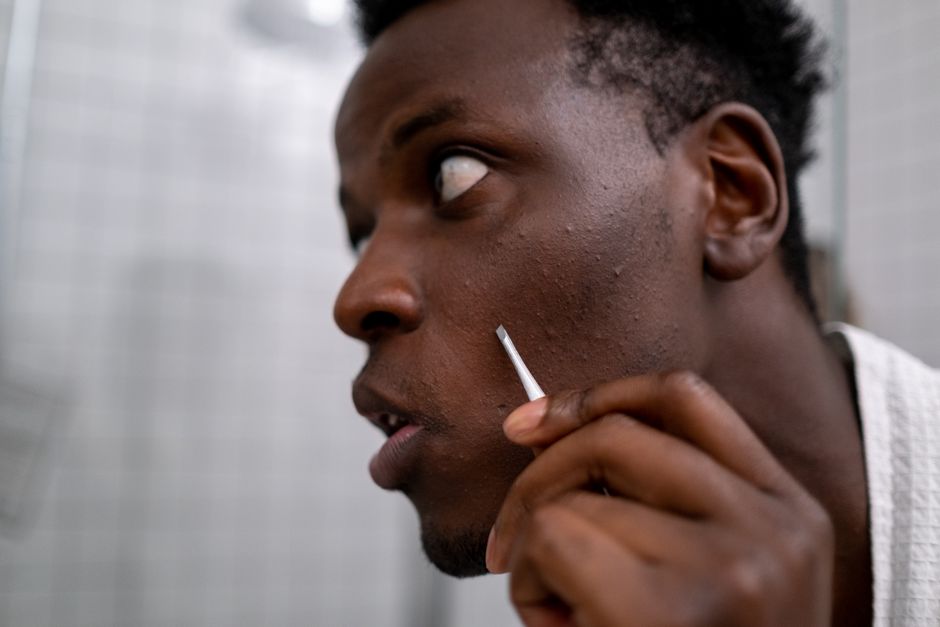
An ingrown hair happens when a hair grows back into the skin instead of up and out. It causes a red, sometimes painful bump that can look like a pimple. For most people, the fix is simple: stop shaving that area, apply a warm compress, and gently lift the hair with a sterile needle if the tip is visible. Over-the-counter treatments and proper skin care routines also work well for preventing and treating these bumps. The key is knowing when to treat it at home and when to see a doctor.
What Causes an Ingrown Hair?
Ingrown hairs occur when the sharp tip of a cut hair curls backward and pierces the skin. This is most common after shaving, waxing, or tweezing. Curly or coarse hair is more likely to become ingrown because the hair shaft naturally curves as it grows.
When the hair penetrates the skin, the body treats it like a foreign object. The immune system responds with inflammation. That is why the area becomes red, swollen, and sometimes tender. In some cases, the hair traps bacteria under the skin, leading to an infection.
People who shave against the direction of hair growth increase their risk. Tight clothing can also press hairs back into the skin. The face, neck, legs, armpits, and bikini area are the most common spots.
How Do You Fix An Ingrown Hair Treatments That Work?
For a mild ingrown hair, a warm compress is the first step. Soak a clean cloth in warm water and hold it against the area for 10 to 15 minutes. This softens the skin and helps the hair move closer to the surface. Do this three to four times a day.
If you can see the loop of the hair just under the skin, you can gently lift it. Use a sterile needle or tweezers cleaned with rubbing alcohol. Slide the tool under the loop and lift the hair out. Do not pull the hair completely out. Leave it above the skin line so it can continue growing normally.
Never dig into the skin to find a hair that is not visible. Digging increases the risk of infection and can leave a scar. If the hair is deep under the skin, let the warm compresses and time do the work.
Over-the-counter treatments containing salicylic acid or glycolic acid can help. These ingredients gently exfoliate the skin and release trapped hairs. Products with hydrocortisone can reduce redness and swelling for a short time. Use these only as directed on the package.
If the bump looks infected — with pus, increasing pain, or spreading redness — do not try to drain it yourself. See a doctor. An infected ingrown hair may need a prescription antibiotic cream or a minor procedure to remove the hair.
Home Remedies That Actually Help
Several simple home remedies have real evidence behind them, not just tradition. Tea tree oil has natural antibacterial properties. Some research suggests it can help prevent infection in minor skin wounds. Dilute it with a carrier oil like coconut or jojoba before applying. Never apply undiluted tea tree oil directly to skin.
Warm salt water soaks can help draw out an ingrown hair. Dissolve a teaspoon of salt in a cup of warm water and apply with a clean cloth. This is especially helpful for ingrown hairs on the legs or bikini area.
A gentle sugar or salt scrub can release a trapped hair. The abrasive action removes dead skin cells that may be covering the hair. Use light pressure. Scrubbing too hard can irritate the area and make the problem worse.
Aloe vera gel can calm the inflammation. It will not remove the hair, but it can reduce the redness and discomfort while the hair works its way out.





Preventing Ingrown Hairs Before They Start
Prevention is more effective than treatment. The most reliable way to avoid ingrown hairs is to stop removing hair in that area. Let the hair grow out for several weeks. Once the hair is longer, it is less likely to curl back into the skin.
If you continue to shave, change your technique. Shave in the direction of hair growth, not against it. Use a sharp, single-blade razor. Multi-blade razors pull the hair up before cutting it, which allows the hair to retract below the skin level. That retraction is what causes many ingrown hairs.
Use shaving cream or gel and let it sit on the skin for a few minutes before shaving. This softens the hair and skin. Rinse the razor after every stroke. Shave in short, gentle strokes and do not stretch the skin tight while shaving.
Exfoliate the area one or two days before shaving, not immediately before. Exfoliating right before shaving can irritate the skin and increase the chance of razor burn. A gentle exfoliant with salicylic acid can help keep hair follicles clear.
Moisturize after shaving. Well-hydrated skin is softer, which makes it easier for hairs to break through the surface. Avoid heavy creams that can clog pores. Look for lightweight, non-comedogenic moisturizers.
Consider alternatives to shaving. Depilatory creams dissolve hair at the skin surface. They do not create sharp tips the way shaving does. Electric razors leave a slightly longer stubble, which reduces the chance of the hair curling back. Laser hair removal reduces hair growth over time and is the most effective long-term solution for people who get frequent ingrown hairs.
When to See a Doctor
Most ingrown hairs resolve on their own within one to two weeks. Some need a little help from home treatment. But certain situations require medical attention.
See a doctor if the ingrown hair does not improve after a week of home care. Also see a doctor if you have multiple ingrown hairs in one area that keep returning. This may indicate a condition called pseudofolliculitis barbae, which is common in people with curly hair who shave.
Signs of infection are a clear reason to seek care. These include:
- Increasing pain or tenderness
- Pus or yellow-green drainage
- Redness spreading beyond the bump
- Warmth in the area
- Fever
A doctor can remove the hair with a sterile instrument. They may also prescribe a topical antibiotic. In severe or recurring cases, a dermatologist may recommend prescription treatments like retinoids or steroid creams. These reduce inflammation and help prevent new ingrown hairs from forming.
People with diabetes or weakened immune systems should see a doctor sooner. What looks like a minor ingrown hair can become a serious infection in these populations.
What Does Not Work
Some popular remedies have no evidence behind them. Popping an ingrown hair like a pimple is the worst thing you can do. It pushes bacteria deeper into the skin and increases the risk of scarring.
Bleach and other harsh chemicals are dangerous. They can cause chemical burns and permanent skin damage. No amount of dilution makes this safe.
Rubbing alcohol on the area repeatedly will not remove the hair. It dries out the skin and can make inflammation worse. Use it only once to sterilize a needle or tweezers.
Toothpaste is another internet remedy with no scientific support. It can irritate the skin and cause a contact rash. The same applies to aspirin paste made at home.
There is no evidence that any supplement or dietary change prevents ingrown hairs. Some online sources suggest vitamin deficiencies cause them. No clinical research supports this claim.
How Long Does It Take to Heal?
With proper treatment, most ingrown hairs heal within a few days to two weeks. The timeline depends on how deep the hair is and whether infection develops.
A superficial ingrown hair that you can lift with a sterile needle may heal in two to three days. A deeper hair that needs to work its way out on its own can take up to two weeks. The redness and bump may persist for a few days after the hair is released.
Post-inflammatory hyperpigmentation — a dark spot left after the bump heals — is common, especially in people with darker skin tones. This can take several weeks or months to fade. Sun protection on the area can help prevent the spot from darkening further.
If you stop shaving the area completely, you will likely stop getting ingrown hairs there. The existing bump will heal, and new ones will not form. For many people, this is the simplest and most effective solution.
Frequently Asked Questions
Can I pop an ingrown hair like a pimple?
No. Popping pushes bacteria deeper and increases the risk of infection and scarring. Use a warm compress and a sterile needle instead.
How do I get a deep ingrown hair out?
Apply warm compresses three to four times a day to bring the hair closer to the surface. Do not dig for it. If it does not surface within a week, see a doctor.
Does shaving cause ingrown hairs?
Yes, shaving is the most common cause because it cuts hair at a sharp angle. The sharp tip can easily pierce the skin as it grows back.
What is the fastest way to get rid of an ingrown hair?
Stop shaving the area and apply a warm compress. If the hair loop is visible, lift it gently with a sterile needle. Healing usually takes two to three days after the hair is released.
