
Protein is in almost every food you eat, but the amounts vary enormously. Foods highest in protein include meat, poultry, fish, eggs, dairy, legumes, soy products, nuts, and seeds. Some plant foods like spinach and broccoli also contain protein, but you would need to eat a large volume to match what a small serving of chicken or tofu provides.
That gap matters. A 3-ounce serving of chicken breast delivers roughly 26 grams of protein. Three ounces of raw spinach delivers about 0.8 grams. Both contain protein. Only one is a practical protein source.
What Foods Have the Most Protein Per Serving?
Animal foods generally pack the most protein per ounce, but several plant foods hold their own. The table below shows approximate protein content per common serving size, based on USDA nutritional data.
| Food | Serving Size | Protein (grams) |
|---|---|---|
| Chicken breast, cooked | 3 oz | 26 |
| Turkey breast, cooked | 3 oz | 25 |
| Lean beef, cooked | 3 oz | 22 |
| Salmon, cooked | 3 oz | 22 |
| Tuna, canned in water | 3 oz | 20 |
| Greek yogurt, plain | 1 cup | 20 |
| Cottage cheese | 1 cup | 24 |
| Eggs | 2 large | 12 |
| Lentils, cooked | 1 cup | 18 |
| Black beans, cooked | 1 cup | 15 |
| Chickpeas, cooked | 1 cup | 15 |
| Tofu, firm | 4 oz | 11 |
| Edamame, shelled | 1 cup | 18 |
| Peanut butter | 2 tbsp | 7 |
| Almonds | 1 oz | 6 |
| Quinoa, cooked | 1 cup | 8 |
Notice the pattern. Meat, fish, and dairy concentrate protein into small servings. Legumes and grains require larger portions to deliver similar amounts. That does not make plant proteins inferior — it just means portion size matters more.
How Much Protein Do You Actually Need?
The Recommended Dietary Allowance for protein is 0.8 grams per kilogram of body weight per day for most healthy adults. For a 150-pound person, that works out to about 54 grams daily.
That number is a minimum to prevent deficiency, not an ideal target for everyone. People who exercise regularly, are recovering from illness, or are over age 65 may need more. Some research suggests older adults benefit from higher intake to help preserve muscle mass, though the exact optimal amount is still debated.
For context, here is what 54 grams looks like across a day:
- Breakfast: 2 eggs (12 g) plus 1 cup Greek yogurt (20 g) = 32 g
- Lunch: 3 oz chicken breast (26 g) = 26 g
That already exceeds the daily minimum before dinner. Most Americans get enough protein without trying. The question is usually not whether you get enough, but whether you are getting it from the sources you want.
What Plant Foods Have High Protein?
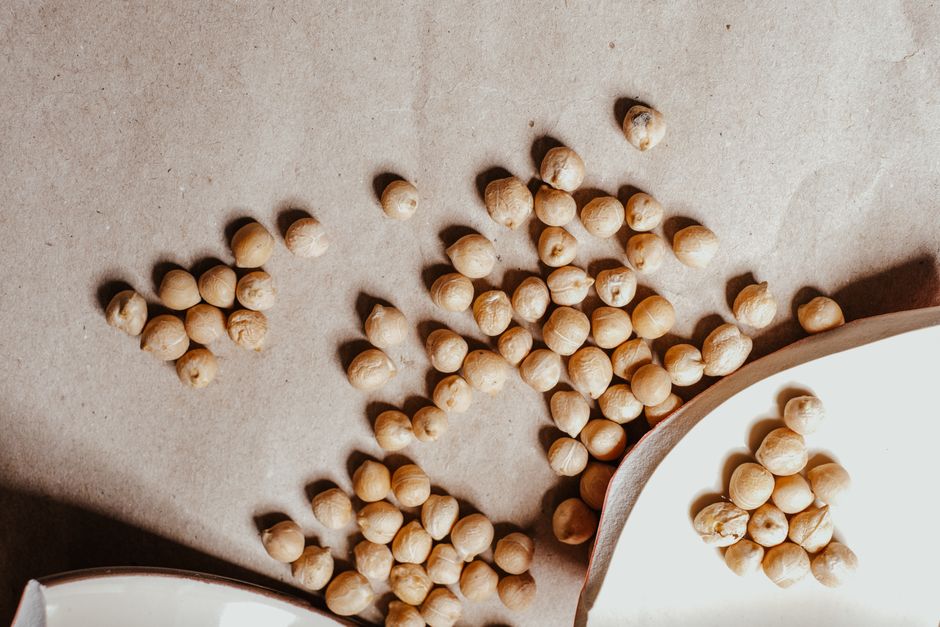
Legumes lead the plant category. Lentils, chickpeas, black beans, and edamame all deliver 15 grams or more per cooked cup. Soy products like tofu and tempeh are also strong sources because soy is a complete protein, meaning it contains all nine essential amino acids your body cannot make on its own.
Most other plant proteins are incomplete on their own. Grains tend to be low in lysine. Beans tend to be low in methionine. This is not a problem if you eat a variety of plant foods across the day — your body pools amino acids from different meals. The old idea that you must carefully combine rice and beans at every meal has been largely set aside by nutrition researchers.
Nuts and seeds contribute protein but in smaller amounts relative to their calorie content. Almonds provide about 6 grams per ounce. Hemp seeds and pumpkin seeds offer more, roughly 9 to 10 grams per ounce. They are useful additions, not primary sources.




Does Protein Quality Matter as Much as Quantity?
Yes, though the practical difference is smaller than supplement marketing suggests. Protein quality is judged by amino acid profile and digestibility. Animal proteins and soy score highest on standard measures. Most other plant proteins score somewhat lower.
What this means in practice: if you rely entirely on plant foods, you may need somewhat more total protein to meet your body’s needs compared to someone eating animal proteins. Some studies suggest plant-based eaters should aim for roughly 10 to 20 percent more protein than the standard recommendation, though this is a general guideline rather than a fixed rule.
For most people eating a varied diet, protein quality is not something to track closely. It becomes more relevant for strict vegans, older adults, and athletes with high training loads.
Are High-Protein Diets Safe?
For healthy adults with normal kidney function, higher protein intake has not been shown to cause kidney damage in controlled studies. This is one of the most persistent myths in nutrition. The concern originated from observations in people who already had kidney disease and needed to restrict protein.
That said, people with existing kidney conditions should follow medical guidance on protein intake, because the situation is genuinely different for them.
Other considerations with very high protein diets include:
- Reduced intake of fiber and certain micronutrients if plant foods are crowded out
- Digestive discomfort in some people, particularly from protein supplements
- Increased calcium excretion, though research has not confirmed this leads to bone loss and some evidence suggests higher protein may support bone health
- Strain on hydration — higher protein intake increases the water your body needs
The source of protein matters more than the total amount for long-term health. Diets high in processed meats have been linked to increased risk of certain cancers and heart disease in large observational studies. Diets high in fish, poultry, legumes, and nuts show different patterns.
What About Protein Powders and Supplements?
Protein powders are convenient but not necessary for most people. Whey, casein, soy, pea, and egg white powders all provide concentrated protein. They differ mainly in amino acid profile, digestion speed, and how they affect people with allergies or dietary restrictions.
No clinical guidelines recommend protein supplements for the general population. They are a tool for people who struggle to meet their needs through food — athletes with very high requirements, older adults with poor appetite, or people with limited food options.
One non-obvious point: the protein content listed on a supplement label may not match what your body actually absorbs. Third-party testing has found some products contain less protein than stated. Look for products that carry independent verification if you use them regularly.
Which High-Protein Foods Are Best for Weight Management?
Protein tends to increase satiety more than carbohydrates or fat, meaning you feel full longer. This effect is well documented, though the size of the effect varies between people.
Foods that combine high protein with high volume and fiber tend to work best for appetite control. Lentils, beans, edamame, and Greek yogurt fit this pattern. They fill you up without delivering excessive calories.
Lean meats and fish also support satiety, but they lack fiber. Pairing them with vegetables and whole grains produces a more satisfying meal than eating them alone.
Protein alone does not cause weight loss. Total calorie intake still determines whether you lose, gain, or maintain weight. Protein is one factor among several, not a standalone solution.
Frequently Asked Questions
Which food has the highest protein per serving?
Chicken breast, turkey breast, and lean beef all provide roughly 22 to 26 grams of protein per 3-ounce cooked serving. Among plant foods, lentils and edamame lead at about 18 grams per cooked cup.
Can you get enough protein without eating meat?
Yes, legumes, soy products, grains, nuts, and seeds can meet protein needs when eaten in adequate amounts and variety. Plant-based eaters may need somewhat more total protein because plant proteins are generally less digestible than animal proteins.
Is too much protein bad for your kidneys?
For people with healthy kidneys, higher protein intake has not been shown to cause kidney damage in controlled studies. People with existing kidney disease should follow their doctor’s guidance, since protein restriction may be necessary for them.
How much protein do you need per day?
The standard recommendation is 0.8 grams per kilogram of body weight daily for most healthy adults. Older adults, athletes, and people recovering from illness may need more, though the optimal amount for these groups is still being studied.
