
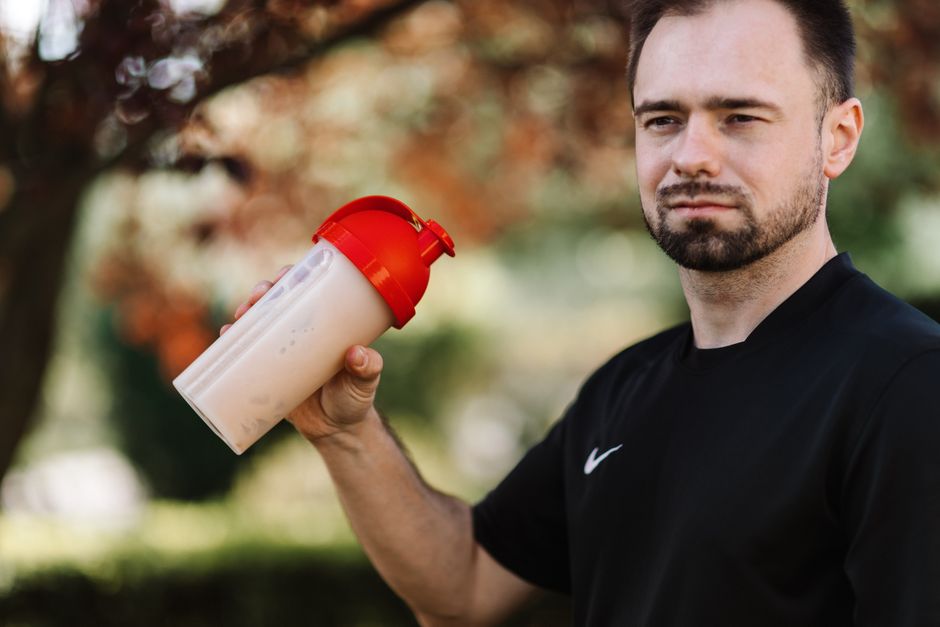
If you are trying to gain weight, protein powder alone will not do it. The real answer is that any protein powder works best for weight gain when it helps you eat more calories than you burn. The specific brand or type matters far less than total calorie intake. That said, some powders make it easier to reach your calorie goals without feeling overly full or bloated. The best choice for weight gain is a powder that is high in calories, easy to digest, and fits your lifestyle.
What Makes a Protein Powder Good for Weight Gain?
Weight gain happens when you eat more calories than your body uses. Protein powder is a tool to help you reach that surplus. Not all powders are equal for this goal. A standard scoop of whey protein has about 100-120 calories. For weight gain, you want something closer to 200-400 calories per serving.
Look for powders that include carbohydrates and fats along with protein. These are often called “mass gainers” or “weight gainers.” They combine protein with sources like maltodextrin, oats, or healthy fats. A 2018 study in the Journal of the International Society of Sports Nutrition found that mass gainers helped participants increase lean body mass when combined with resistance training. The key was the extra calories, not the protein itself.
Another factor is digestibility. Some people feel full quickly on high-calorie shakes. If that is you, look for a powder that uses hydrolyzed protein or smaller protein molecules. These break down faster and may cause less bloating. The goal is to drink the shake without feeling stuffed for hours.
Whey Protein vs. Mass Gainers: Which One Is Better?
Whey protein is the most researched and widely available protein powder. It is effective for muscle repair and growth. But for weight gain, it falls short on calories. A typical whey shake gives you 20-25 grams of protein but only about 100-120 calories. To gain weight, you would need to add other ingredients like milk, peanut butter, or oil.
Mass gainers are designed specifically for weight gain. They provide a higher calorie count per serving, often 300-600 calories or more. They also include carbohydrates to replenish glycogen and fats to boost total energy intake. Research published in Nutrients in 2020 showed that mass gainers improved body mass and strength in athletes more than standard whey alone. But the study also noted that the benefit came from the extra calories, not any special ingredient.
Mass gainers tend to be more expensive and can taste sweeter or thicker than regular protein. Some people find them hard to finish. If you prefer a lighter shake, whey with added ingredients is a fine alternative. The choice comes down to convenience and what you can consistently drink.
Plant-Based Protein Powders for Weight Gain
Plant-based options like pea, rice, or hemp protein are good choices for people who avoid dairy. They can work well for weight gain too, but you need to check the label carefully. Many plant-based powders are lower in calories per serving than whey or mass gainers. A plain pea protein powder might have only 80-100 calories per scoop.
Some plant-based blends combine multiple protein sources to create a complete amino acid profile. For example, pea and rice protein together cover all essential amino acids. A 2019 study in the Journal of the International Society of Sports Nutrition found that pea protein supported muscle growth as effectively as whey when total protein intake was matched. The same principle applies to weight gain: you need enough total calories.
To use plant-based powders for weight gain, look for blends that include added carbohydrates or fats. Some brands offer “plant-based mass gainers” that include oat flour, coconut cream, or nut butters. These can deliver 200-300 calories per serving. You can also mix plain plant protein with plant milk, banana, and nut butter to boost calories naturally.



How Many Calories and Protein Do You Actually Need?
This is where most people get confused. The number on the label is not the whole story. The CDC reports that the average adult needs about 1,600-2,400 calories per day for maintenance, depending on age, sex, and activity level. For weight gain, you need to add 300-500 calories above maintenance each day. That is about one or two protein shakes on top of your normal meals.
Protein needs for muscle gain are around 1.6 to 2.2 grams per kilogram of body weight per day, according to the International Society of Sports Nutrition. For a 175-pound person, that is about 127-175 grams of protein daily. A single shake can provide 25-50 grams of that. The rest should come from whole foods like meat, eggs, beans, and dairy.
Do not rely solely on shakes for your protein intake. Whole foods provide vitamins, minerals, and fiber that powders lack. Use the shake as a supplement, not a replacement. The table below compares common options for weight gain.
| Type | Calories per Serving | Protein per Serving | Best For |
|---|---|---|---|
| Standard whey | 100-120 | 20-25g | Adding protein without many calories |
| Mass gainer | 300-600 | 30-60g | Quick calorie surplus |
| Plant-based blend | 80-150 | 15-25g | Dairy-free options |
| Homemade shake | 400-700 | 30-50g | Control over ingredients |
What to Avoid When Choosing a Protein Powder for Weight Gain
Not every product sold as a “mass gainer” is worth your money. Some are loaded with cheap fillers like maltodextrin, which is a simple carbohydrate that spikes blood sugar. While it adds calories, it offers little nutritional value. Some people report bloating and gas from these fillers. Look for powders that use whole food carbohydrates like oat flour or sweet potato powder instead.
Another thing to avoid is excessive sugar. Some mass gainers have 20-40 grams of sugar per serving. That is close to the American Heart Association’s recommended daily limit for added sugar in one shake. Choose options with less than 10 grams of sugar per serving. The calories should come from complex carbs and healthy fats, not sugar.
Third-party testing is worth paying attention to. Some protein powders have been found to contain heavy metals or undeclared ingredients. The Clean Label Project tested over 130 protein powders and found that many had detectable levels of lead, cadmium, and BPA. Look for products that are certified by NSF International or Informed Sport. These certifications mean the product has been tested for purity and banned substances.
How to Use Protein Powder Effectively for Weight Gain
Timing matters less than consistency. It is more important to drink a shake every day than to drink it at a specific time. That said, drinking a shake within two hours after a workout can help with muscle repair. A 2017 review in the Journal of the International Society of Sports Nutrition confirmed that post-exercise protein intake supports muscle protein synthesis.
If you struggle to eat enough during the day, a shake between meals can help. Blend the powder with whole milk, not water, to add calories. Add a tablespoon of peanut butter or a handful of oats for extra energy. A simple recipe: one scoop powder, one cup whole milk, one banana, and one tablespoon peanut butter gives about 400 calories and 30 grams of protein.
Do not drink a shake right before a meal if you want to eat a full plate of food later. The liquid can fill you up and reduce your appetite. Drink it as a snack or after your workout. If you are trying to gain weight, you want to eat your regular meals plus the shake, not instead of them.
Frequently Asked Questions
Can I use protein powder alone to gain weight?
No, protein powder alone will not cause weight gain. You need a consistent calorie surplus from food and shakes combined.
How many protein shakes should I drink per day to gain weight?
One to two shakes per day is enough for most people. More than that can replace meals and reduce your nutrient intake from whole foods.
Is a mass gainer better than regular protein for weight gain?
Mass gainers provide more calories per serving, making it easier to reach a surplus. But regular protein with added ingredients works just as well.
Can plant-based protein powder help with weight gain?
Yes, but you need to choose a blend with added calories from carbs and fats. Plain plant protein is too low in calories on its own.
