
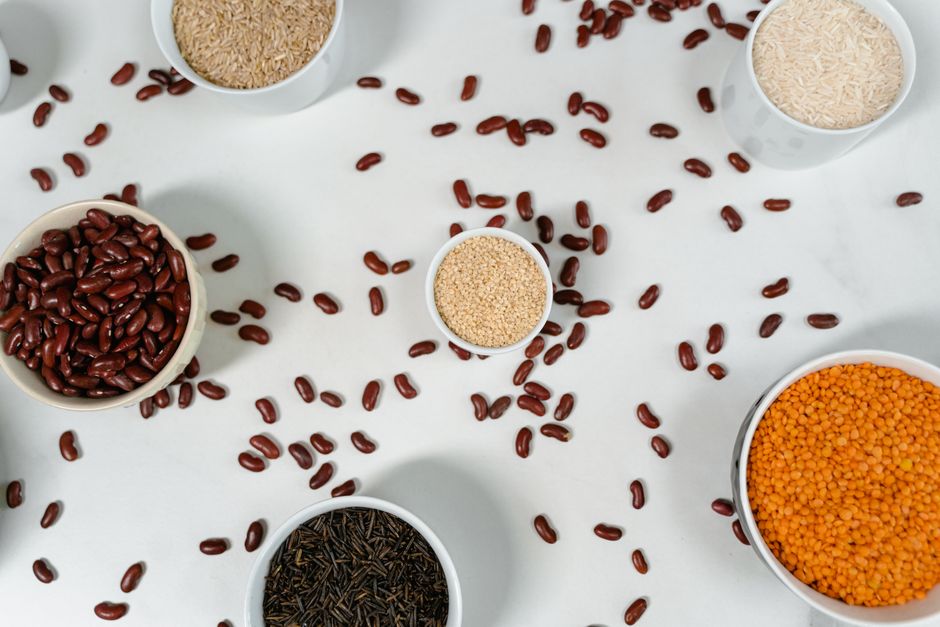
Yes, lentils are high in protein. A single cup of cooked lentils provides about 18 grams of protein. That is roughly the same amount of protein you would get from eating three large eggs. For a plant food, that is an impressive number. Lentils are one of the best plant-based sources of protein available.
But protein content is only part of the story. How your body uses that protein matters just as much. And the way lentils fit into your overall diet makes a big difference. Let’s look at the facts without the hype.
How Much Protein Is in Lentils Compared to Other Foods?
One cup of cooked lentils contains about 18 grams of protein. For comparison, a 3-ounce serving of cooked chicken breast has about 26 grams. Ground beef (85% lean) has about 22 grams per 3-ounce serving. So lentils are not quite as protein-dense as meat by weight. But they are close.
Compared to other plant proteins, lentils stand out. One cup of cooked chickpeas has about 14.5 grams of protein. Cooked black beans have about 15 grams. Cooked quinoa has only 8 grams per cup. Lentils win among common legumes and grains.
Here is a quick comparison table to make it clear:
| Food (1 cup cooked) | Protein (grams) |
|---|---|
| Lentils | 18 |
| Chicken breast (3 oz) | 26 |
| Ground beef (3 oz, 85% lean) | 22 |
| Chickpeas | 14.5 |
| Black beans | 15 |
| Quinoa | 8 |
| Eggs (3 large) | 18 |
Lentils also win on fiber. That same cup gives you about 15 grams of fiber. Chicken and beef have zero fiber. So while meat has more protein per ounce, lentils provide protein plus fiber, which helps with digestion and keeps you full longer.
Is Lentil Protein Complete or Incomplete?
This is where things get more specific. Protein is made of amino acids. Your body needs nine essential amino acids that it cannot make on its own. A “complete” protein has all nine in good amounts. Animal foods like meat, eggs, and dairy are complete. Most plant proteins are not.
Lentils are not a complete protein. They are low in an essential amino acid called methionine. But they are high in another amino acid called lysine. Grains like rice, wheat, and oats are the opposite. They have plenty of methionine but are low in lysine.
This is why the old advice was to eat lentils with grains. Rice and lentils together make a complete protein. You do not have to eat them in the same meal. Your body pools amino acids over the day. If you eat lentils at lunch and whole-wheat bread at dinner, you are fine.
Research published in the Journal of Nutrition has shown that the body can use plant proteins effectively when you eat a variety of sources throughout the day. You do not need to obsess over combining every meal perfectly.
Are Lentils High in Protein Per Calorie?
This is a useful way to look at it. One cup of cooked lentils has about 230 calories and 18 grams of protein. That is about 7.8 grams of protein per 100 calories. For comparison, chicken breast has about 21 grams of protein per 100 calories. So meat is still more protein-efficient by calorie.
But lentils are far better than many other plant foods. Quinoa gives you about 4.4 grams of protein per 100 calories. Brown rice gives you about 2.6 grams. Lentils are a clear winner among whole plant foods for protein density.
If you are trying to increase protein without adding many calories, lentils are a solid choice. They are not as concentrated as meat or whey protein powder. But they come with fiber, iron, folate, and other nutrients that those sources lack.




What Does the Research Say About Lentils and Muscle Building?
Some people wonder if plant protein can build muscle as well as animal protein. A 2017 study published in the American Journal of Clinical Nutrition compared plant-based protein to animal protein for muscle growth. The researchers found that when total protein intake was matched, there was no significant difference in muscle protein synthesis between plant and animal sources.
The catch is that you may need slightly more total plant protein to get the same effect. This is because plant proteins are digested a little less efficiently and have a slightly different amino acid profile. The general recommendation is to eat about 10-20% more plant protein than animal protein to compensate.
For most people eating lentils, this is not a problem. If you eat a cup of lentils with a meal, you are getting 18 grams of protein. Add some whole grains and vegetables, and you are easily at 25-30 grams for that meal. Over a full day, hitting your protein target is straightforward.
The American College of Sports Medicine recommends 1.2 to 2.0 grams of protein per kilogram of body weight per day for active people. For a 150-pound person, that is 82 to 136 grams of protein per day. Lentils can easily contribute a meaningful portion of that.
What Are the Best Ways to Eat Lentils for Protein?
Not all lentils are the same. Brown and green lentils hold their shape well after cooking. Red and yellow lentils break down into a softer texture. Both types are equally high in protein. The difference is in how you use them.
- Brown or green lentils work well in salads, soups, and as a side dish. They stay firm and add texture.
- Red or yellow lentils cook faster and turn creamy. They are great for stews, curries, and lentil “meat” sauces.
- Black lentils (beluga lentils) are small and firm. They work well in cold salads and grain bowls.
To get the most protein from lentils, pair them with a grain. Rice, quinoa, or whole-wheat bread fills in the missing amino acids. Add vegetables for vitamins and a source of fat like olive oil or avocado to help absorb fat-soluble nutrients.
Canned lentils are convenient and have the same protein content as dried lentils that you cook yourself. Just rinse them before using to reduce sodium. One can of lentils is about 1.5 cups cooked, giving you roughly 27 grams of protein.
Are There Any Downsides to Eating Lentils for Protein?
Lentils contain compounds called lectins and phytates. These can interfere with the absorption of some minerals like iron and zinc. Cooking lentils reduces these compounds significantly. Soaking dried lentils before cooking helps even more. Canned lentils are already cooked and have very low levels.
Some people experience digestive discomfort from lentils. This is because they contain oligosaccharides, a type of carbohydrate that ferments in the gut. Soaking dried lentils overnight and discarding the water before cooking can reduce this. Gradually increasing your intake also helps your gut adjust.
One thing to watch is that lentils are not a complete protein on their own. If you eat only lentils and nothing else for protein, you may not get enough methionine over time. But this is unlikely for anyone eating a varied diet. As long as you eat grains, nuts, seeds, or animal foods during the day, you are covered.
A common myth is that you need to eat lentils and rice in the same meal for the protein to “count.” That is not true. Your body pools amino acids from all the food you eat over 24 hours. The old “protein combining” idea has been largely abandoned by nutrition scientists. The Institute of Medicine states that as long as you eat a variety of plant foods, you will get enough essential amino acids.
Frequently Asked Questions
Are lentils higher in protein than chicken?
No. Chicken has more protein per ounce. Three ounces of chicken has about 26 grams of protein, while one cup of cooked lentils has about 18 grams.
Can I eat lentils every day for protein?
Yes. Eating lentils daily is safe and healthy. Just make sure you also eat other protein sources to get all essential amino acids.
Do lentils have more protein than eggs?
Yes. One cup of cooked lentils has about 18 grams of protein, which is equal to three large eggs. By volume, lentils have more protein than eggs.
Are lentils a complete protein?
No. Lentils are low in the amino acid methionine. Eating them with grains like rice or whole wheat provides the missing amino acids.
