
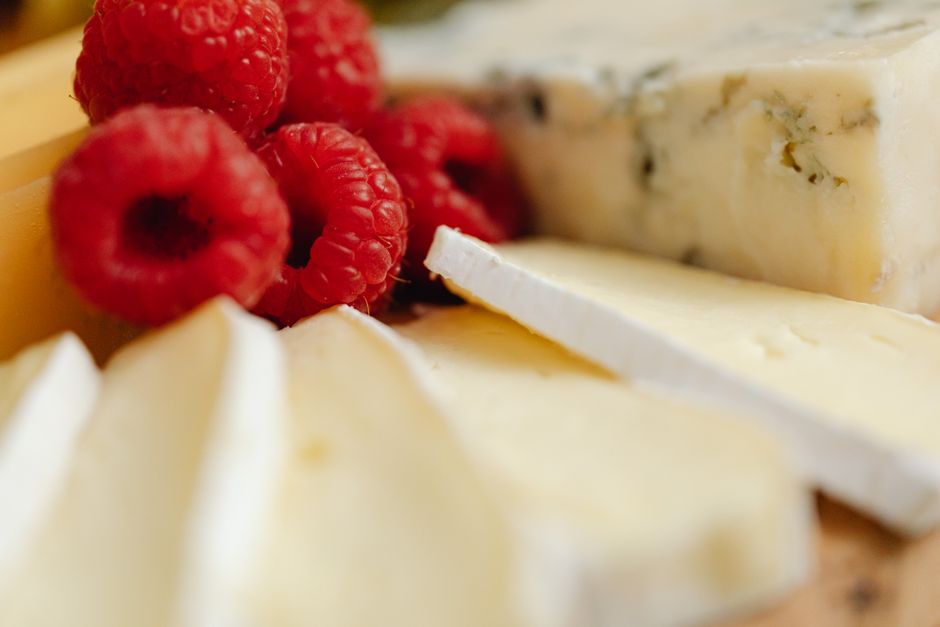
Cheddar cheese contains a moderate amount of protein. A one-ounce serving provides about 7 grams. That is similar to other hard cheeses but less than lean meats or Greek yogurt. For people looking to increase protein intake, cheddar can be part of the plan, but it is not the most concentrated source.
Is Cheddar Cheese High In Protein Heres How Much
A single ounce of cheddar cheese — roughly a 1-inch cube — delivers around 7 grams of protein. That is 14 percent of the daily value for protein based on a 2,000-calorie diet. Compared to many whole foods, that is a respectable amount. But “high protein” is a relative term. Ounce for ounce, chicken breast has about 9 grams, and Greek yogurt contains 10 grams. Cheddar is a solid source, not an exceptional one.
The protein in cheddar is also high quality. It contains all nine essential amino acids, making it a complete protein. This is true for most dairy products. So even though the total grams per ounce are moderate, the protein you get is well-used by your body.
How Much Protein Is in Different Serving Sizes of Cheddar
Protein content scales with serving size, but cheddar is calorie-dense, so portion control matters. Here are common serving sizes and their approximate protein content:
- 1 ounce (28 grams) — about 7 grams protein, 114 calories
- 1 cup shredded (113 grams) — about 28 grams protein, 455 calories
- 1 slice (1 ounce typically) — same as above, ~7 grams protein
If you eat a larger portion, you get more protein — but also more saturated fat and sodium. The calories add up quickly. That is why many dietitians recommend using cheddar as a flavor accent rather than a primary protein source.
How Cheddar Compares to Other Cheeses
Protein varies across cheese types. Hard, aged cheeses generally have slightly more protein because they contain less moisture. Here is how cheddar stacks up per ounce:
| Cheese | Protein (approx.) | Calories |
|---|---|---|
| Parmesan | 10 grams | 122 |
| Swiss | 8 grams | 108 |
| Cheddar | 7 grams | 114 |
| Mozzarella (part-skim) | 6 grams | 72 |
| Brie | 6 grams | 95 |
Cheddar sits in the middle. If protein is your main goal, Parmesan or Swiss give you more per bite. But cheddar offers a stronger flavor, so you may eat less of it — which can help with calorie control.



Cheddar Cheese Nutrition Beyond Protein
Protein is only part of the story. A 1-ounce serving of cheddar contains about 9 grams of fat, 6 of which are saturated. It also has around 180 milligrams of sodium. The American Heart Association recommends limiting saturated fat to 13 grams per day on a 2,000-calorie diet. One serving of cheddar provides nearly half that.
On the positive side, cheddar is a good source of calcium — about 200 milligrams per ounce, or 20 percent of the daily value. It also provides vitamin A, vitamin B12, and phosphorus. When including cheddar in your diet, the fat and sodium content is worth balancing with other foods.
Can Cheddar Cheese Fit Into a High-Protein Diet
Yes, but in reasonable amounts. If your goal is 30 grams of protein per meal, you would need to eat more than 4 ounces of cheddar — which delivers 28 grams of protein but also 36 grams of fat and over 700 milligrams of sodium. That is a lot of calories for the protein yield.
A more practical approach is to use cheddar as a supplement. Add an ounce to an omelet, a sandwich, or a salad. That boosts protein by 7 grams without overloading fat. Pair it with lean meats, legumes, or vegetables to reach your protein target without excessive calories.
Is Cheddar Cheese a Good Protein Choice for Muscle Building
Dairy protein, including cheddar, is rich in casein. Casein digests slowly, providing a steady release of amino acids over several hours. Some research suggests this makes it useful before periods of fasting, like overnight. However, for immediate post-workout recovery, faster-digesting proteins like whey or lean meat may be more effective.
Cheddar can still support muscle maintenance and growth as part of a balanced diet. But for building muscle efficiently, whole food sources like chicken, fish, eggs, and legumes typically offer more protein per calorie with less saturated fat.
Common Myths About Cheese and Protein
A viral claim suggests that cheese is a nearly pure protein food. That is not accurate. Even hard cheeses like cheddar contain more fat than protein by weight. Another myth is that all cheese is equally high in protein. As the table above shows, protein content varies significantly by type. Cottage cheese, for example, is much higher in protein relative to its calories because it is lower in fat.
Processed cheese products like cheese slices or cheese spreads often contain less protein per ounce than natural cheddar. Checking the nutrition label is the only reliable way to know what you are getting.
Frequently Asked Questions
How much protein is in cheddar cheese per ounce?
One ounce of cheddar cheese has about 7 grams of protein. This is the standard amount for a 1-inch cube or a single slice.
Is cheddar cheese high in protein compared to chicken?
No. Chicken breast has about 9 grams of protein per ounce, and it is much lower in fat and calories. Chicken is a more concentrated protein source.
Can I eat cheddar cheese on a high-protein diet?
Yes, but keep portions small. One to two ounces per day can add 7–14 grams of protein. Be mindful of the saturated fat and sodium.
Which cheese has the most protein?
Parmesan is among the highest, with about 10 grams of protein per ounce. Other hard cheeses like Swiss and Romano are also higher than cheddar.
