
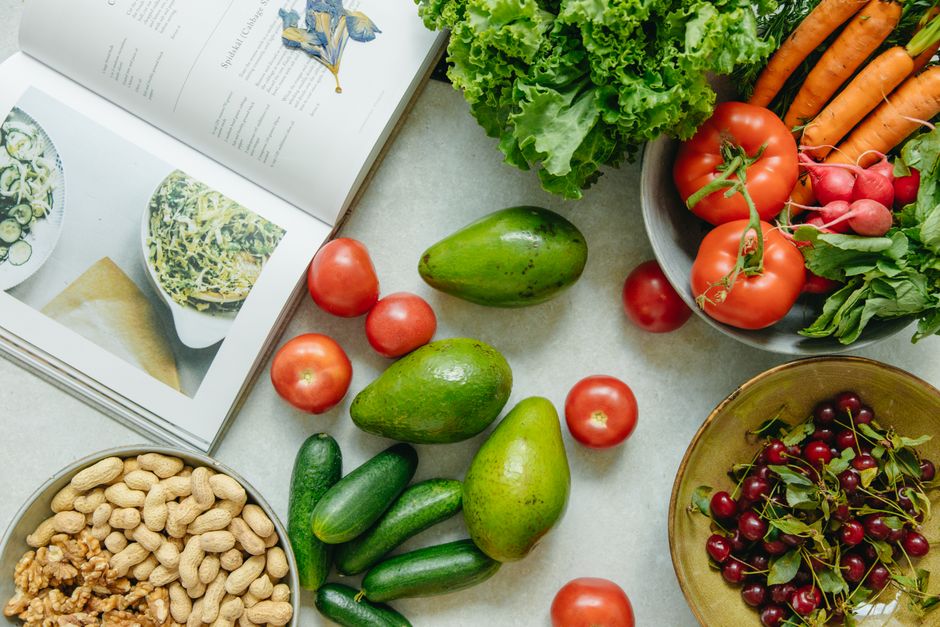
Poor circulation can show up as cold hands and feet, leg cramps, or a heavy feeling in your limbs. What you eat directly affects how well your blood moves through your body. Foods rich in nitrates, omega-3 fatty acids, and antioxidants help blood vessels relax and widen, which improves blood flow. A diet built around leafy greens, fatty fish, beets, and citrus fruits is one of the most reliable ways to support healthy circulation.
What Foods Help Circulation And Improve Blood Flow?
The most effective foods for circulation work through three main mechanisms: they relax blood vessels, reduce inflammation, or help blood move more easily. Leafy greens like spinach and arugula provide nitrates that your body converts to nitric oxide. Nitric oxide is a signaling molecule that tells blood vessel walls to relax and widen. Wider vessels mean lower pressure and better flow.
Beets and beet juice are among the most studied nitrate sources. Some research suggests that drinking beet juice can lower blood pressure within hours. The effect is temporary, but regular consumption appears to support long-term vascular health. If you eat beets, know that your urine may turn pink or red. This is harmless and simply means your body is processing the pigments.
Fatty fish such as salmon, mackerel, and sardines deliver omega-3 fatty acids. These fats reduce inflammation in blood vessel walls and help keep platelets from becoming too sticky. Less inflammation and less stickiness mean blood flows more freely. The American Heart Association recommends eating fish at least twice a week, particularly fatty fish.
How Does Nitric Oxide Actually Improve Blood Flow?
Nitric oxide is produced by the endothelial cells that line your blood vessels. When these cells are healthy, they release nitric oxide in response to physical activity and certain foods. The molecule diffuses into the smooth muscle layer of the vessel wall and triggers relaxation. This process is called vasodilation.
Vasodilation increases the internal diameter of the artery. Blood encounters less resistance, so the heart does not have to work as hard to push it through the body. This is why nitric oxide production is closely tied to healthy blood pressure readings.
As people age, endothelial function tends to decline. This means less nitric oxide is produced, and blood vessels become stiffer. Some research indicates that dietary nitrates can partially offset this age-related decline. The effect is modest but measurable, especially in people who were not getting many nitrates before.
Which Fruits and Vegetables Support Circulation Most?
Citrus fruits deserve special attention. Oranges, grapefruits, and lemons are rich in vitamin C and flavonoids. Vitamin C supports collagen production, which keeps blood vessel walls strong and elastic. Flavonoids like hesperidin, found in citrus peel and the white pith, have been linked to improved blood vessel function.
Berries are another strong choice. Blueberries, strawberries, and blackberries contain anthocyanins, the pigments that give them their deep colors. Some studies suggest that regular berry consumption improves endothelial function. The effect appears related to reduced oxidative stress in the blood vessel lining.
Pomegranate is frequently studied for circulation. It contains polyphenols that may help preserve nitric oxide activity. Some small trials have shown improved blood flow to the heart in people with coronary artery disease who drank pomegranate juice. Larger studies are still needed to confirm the strength of this effect.
Garlic has a long history of use for cardiovascular health. Its active compound, allicin, may help relax blood vessels. Some research indicates that garlic supplementation can modestly reduce blood pressure, particularly in people with elevated readings. The effect is not large enough to replace medication, but it can be a useful dietary addition.


What Role Do Spices and Herbs Play?
Ginger and cayenne pepper are often mentioned in circulation discussions. Ginger contains gingerols, which have anti-inflammatory properties. Some animal studies suggest ginger can improve blood flow, but human evidence is limited.
Cayenne pepper contains capsaicin, the compound responsible for its heat. Capsaicin triggers a temporary increase in blood flow to the skin, which is why eating spicy food can make you feel warm. This effect is short-lived and primarily affects surface vessels rather than deep circulation.
Turmeric deserves mention for its active compound curcumin. Curcumin has well-documented anti-inflammatory effects. Chronic inflammation damages blood vessel walls over time, so reducing it supports circulation indirectly. The challenge with turmeric is absorption. Curcumin is poorly absorbed on its own, which is why many supplements include black pepper extract.
Dark chocolate, specifically the kind with at least 70 percent cocoa, contains flavanols that support nitric oxide production. Some studies have shown improved blood flow within hours of eating high-flavanol cocoa. The effect is real but modest, and the calories and sugar in chocolate can offset benefits if consumed in excess.
How Important Is Hydration for Blood Flow?
Water is not often listed among circulation foods, but it matters. Blood is about 90 percent water. When you are dehydrated, blood plasma volume drops. The blood becomes thicker and more viscous, which means it flows less easily through small vessels.
Even mild dehydration can affect how well blood moves. Some research suggests that losing as little as 1 to 2 percent of body weight in water can reduce blood flow to the skin and muscles. This is why staying hydrated supports every other circulation strategy you use.
There is no single daily water target that works for everyone. Needs vary with body size, activity level, and climate. A practical approach is to drink when thirsty and to check that urine is light yellow rather than dark.
What About Foods to Limit or Avoid?
Some foods actively work against good circulation. Foods high in sodium cause the body to retain fluid. Extra fluid increases blood volume, which raises blood pressure and makes the heart work harder. Processed foods, canned soups, and fast food are the main sodium sources in most diets.
Trans fats are another concern. These artificially produced fats raise LDL cholesterol and promote inflammation in blood vessels. Many countries have banned them, but they still appear in some processed baked goods and fried foods. Checking ingredient lists for partially hydrogenated oils is a reliable way to avoid them.
Excess added sugar contributes to insulin resistance and weight gain, both of which strain the circulatory system. High blood sugar damages the inner lining of blood vessels over time. This is why diabetes is such a strong risk factor for poor circulation.
Can Exercise Amplify the Effects of These Foods?
Diet and exercise work together for circulation. Physical activity stimulates nitric oxide production directly. When you exercise, the increased blood flow through your vessels signals the endothelium to produce more nitric oxide. Over time, regular exercise makes the endothelium more responsive.
This means the same serving of beets or leafy greens may have a stronger effect in someone who exercises regularly. The combination of dietary nitrates and exercise-induced nitric oxide appears to be additive. Walking, swimming, cycling, and strength training all count.
Even simple changes help. Taking a short walk after meals improves blood flow to the legs and reduces the post-meal spike in blood sugar. This is a low-effort habit with meaningful circulatory benefits.
Frequently Asked Questions
How quickly can diet changes improve circulation?
Some effects appear within hours, such as the blood pressure drop after drinking beet juice. Long-term structural improvements to blood vessels take weeks or months of consistent healthy eating.
Can drinking beet juice lower blood pressure?
Yes, several studies show that beet juice can temporarily lower blood pressure within a few hours of consumption. The effect is modest and should not replace prescribed blood pressure medication.
Is dark chocolate good for blood flow?
Dark chocolate with at least 70 percent cocoa contains flavanols that can improve blood vessel function. The effect is small, and the added sugar and calories limit how much you should eat.
Do supplements work as well as whole foods for circulation?
Whole foods provide a complex mix of nutrients that work together, and no supplement replicates this completely. Some supplements like fish oil and beet powder have evidence behind them, but they work best alongside a healthy diet rather than instead of one.
