
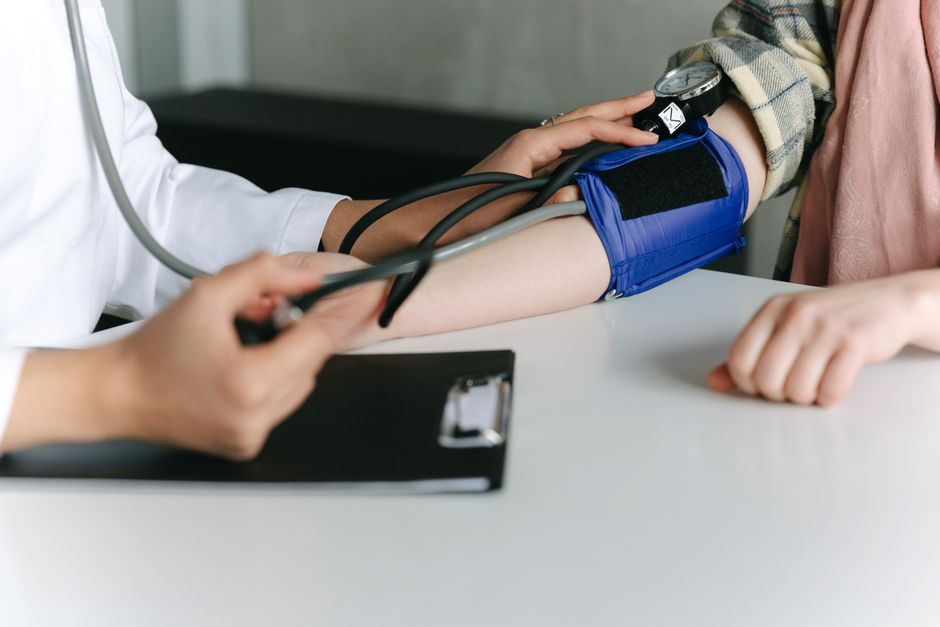
Cold hands are common, and for most people they are not a sign of disease. Blood flow to the hands is controlled by small blood vessels that tighten in response to cold, stress, and other triggers. You can support healthy circulation to your hands through warmth, movement, and habits that keep your blood vessels and heart working well.
What Controls Blood Flow To Your Hands?
Your hands sit at the far end of your circulatory system. Blood has to travel a long way from your heart to reach your fingertips, and it has to come back again. That distance matters.
Blood vessels in the hands are unusually sensitive to temperature. When your body senses cold, it narrows these vessels to send blood toward your core, where your vital organs are. This is called vasoconstriction. It is a normal survival response, not a malfunction.
The opposite process, vasodilation, widens the vessels and brings more blood into the hands. Warmth, movement, and relaxation all encourage vasodilation.
Two main systems influence this process. Your sympathetic nervous system controls how tightly your blood vessels squeeze. Your heart and blood pressure determine how much blood is available to circulate in the first place.
Understanding both systems helps explain why some strategies for warming hands work and others do not.
Why Do My Hands Get Cold So Easily?
Cold hands usually come down to one of a few causes. The most common is simply a strong normal response to cold temperatures. Some people’s vessels tighten more than others in the same conditions.
Stress and anxiety can trigger the same narrowing. When your body is in a stress response, blood gets routed away from your hands and feet.
Low body fat, older age, and being female are all associated with feeling cold in the hands more often. This is a general pattern, not a rule that applies to every person.
Some medical conditions cause cold hands as a symptom. Raynaud’s phenomenon is one. In Raynaud’s, blood vessels in the fingers and toes overreact to cold or stress and briefly narrow sharply. Fingers may turn white, then blue, then red as blood returns. This is different from simply having cold hands.
Anemia, an underactive thyroid, and poor circulation from heart or blood vessel disease can also play a role. These are not the most common reasons for cold hands, but they are worth knowing about.
If your hands are persistently cold, change color, feel numb, or cause pain, that is a reason to see a doctor. Cold hands that are simply uncomfortable in cold weather are usually not a medical concern.
How To Increase Blood Flow To Hands Naturally
The most reliable natural approaches work by warming the body, encouraging movement, and reducing the triggers that tighten blood vessels. None of these are treatments for a diagnosed circulation disorder, but they support normal circulation.
Use warmth directly
Warming your hands and your core both help. Gloves and warm water work on the hands themselves. Wearing layers and keeping your torso warm helps because your body is less likely to redirect blood away from your hands when your core is comfortable.
Warm water is one of the simplest tools. Soaking your hands in comfortably warm water encourages the vessels to widen. Avoid very hot water, which can be uncomfortable and is not necessary.
Move your hands and arms
Muscle activity produces heat and helps push blood through the vessels. Simple hand and finger movements, opening and closing your fists, and rotating your wrists all encourage circulation.
Whole-body movement matters too. Walking, or any activity that raises your heart rate, increases blood flow throughout the body, including to your hands. Regular physical activity is one of the better-supported ways to support healthy circulation over time.
Manage stress
Because stress tightens blood vessels, calming practices can help. Slow breathing, relaxation, and reducing ongoing stress may reduce the frequency of cold hands for people whose symptoms are stress-related.
The evidence here is reasonable but not unlimited. Stress clearly affects blood vessel tone. Whether a specific relaxation technique reliably warms hands for everyone is less certain.
Avoid what narrows your vessels
Nicotine narrows blood vessels and is one of the most consistent factors working against good circulation. Smoking and other nicotine use are strongly linked to reduced blood flow.
Caffeine can also cause temporary narrowing in some people. For most people this effect is small, but if you notice your hands get colder after coffee, that is a reasonable clue.




Does Exercise Really Help Hand Circulation?
Yes, regular physical activity supports circulation broadly, and that includes the hands. This is one of the better-established points in this area.
Exercise strengthens the heart, which means it can pump blood more effectively. It also improves the health and flexibility of blood vessels over time. These effects are not limited to the hands, but the hands benefit along with the rest of the body.
What exercise does not do is guarantee warm hands in the moment. If you are outside in cold weather, your body will still narrow the vessels in your hands to protect your core. Exercise helps your circulation as a system, not as an instant fix.
For general circulation support, the standard guidance for adults is regular moderate activity most days of the week. If you have a heart condition or another health issue, talk with your doctor before starting a new routine.
What About Diet And Supplements?
Diet affects circulation over the long term, mainly through heart and blood vessel health. A diet rich in vegetables, fruits, whole grains, and healthy fats supports healthy blood vessels. This is well established.
Specific foods marketed for “improving circulation” are a different matter. Many claims in this space are not supported by strong human evidence.
Some supplements are commonly promoted for circulation, including certain vitamins, herbs, and amino acids. The evidence for most of these is limited or mixed. Some have shown small effects in small studies, but few have been confirmed in large, well-designed human trials.
Two honest points are worth making. First, no supplement has been shown to reliably increase blood flow to the hands in healthy people. Second, some supplements can interact with medications or cause side effects. Talk with a doctor or pharmacist before starting any supplement, especially if you take prescription medication.
When Should Cold Hands Concern You?
Cold hands alone are usually not a warning sign. Certain patterns are worth a medical visit.
- Your fingers turn white, blue, or red in response to cold or stress
- You have numbness, tingling, or pain in your hands
- Cold hands come with fatigue, weight changes, or other symptoms
- One hand is much colder than the other
- Cold hands are new and getting worse
These patterns can point to conditions such as Raynaud’s phenomenon, thyroid problems, anemia, or blood vessel disease. A doctor can sort out which, if any, apply to you.
Diagnosing these conditions usually involves a physical exam, questions about your symptoms, and sometimes blood tests. Treatment depends entirely on the cause, which is why self-diagnosing is not a good idea.
Do Home Remedies Actually Work?
Some do, and some are more marketing than medicine. It helps to separate the two.
Warmth, movement, and stress reduction have a clear basis in how blood vessels work. They are reasonable, low-risk habits for most people.
Other popular remedies have weaker support. Claims that a specific tea, spice, or device reliably boosts hand circulation are often based on small studies or on how a substance behaves in a lab, not on demonstrated results in people. Biological plausibility is not the same as proven benefit.
That does not mean these things are harmful. It means the evidence is not strong enough to promise they will work.
If a remedy is expensive, promises dramatic results, or claims to replace medical treatment, treat that with caution. No natural product has been shown to treat a diagnosed circulation disorder.
Frequently Asked Questions
What is the fastest natural way to warm up cold hands?
Warm water and movement are the quickest options. Soaking your hands in comfortably warm water or moving your fingers and wrists encourages blood vessels to widen within minutes.
Can poor circulation in the hands be reversed naturally?
It depends on the cause. Habits like regular exercise, not smoking, and managing stress support healthy circulation, but a diagnosed blood vessel or heart condition needs medical treatment.
Do supplements help increase blood flow to the hands?
No supplement has been shown to reliably increase blood flow to the hands in healthy people. The evidence for most circulation supplements is limited or mixed, and some can interact with medications.
When should I see a doctor about cold hands?
See a doctor if your fingers change color, feel numb or painful, or if one hand is much colder than the other. These patterns can point to conditions that need medical evaluation.
