
Your circulatory system moves roughly 5 liters of blood through tens of thousands of miles of vessels every single day. When that system works well, you barely notice it. When it doesn’t, you feel it in cold hands, swollen ankles, tired legs, and shortness of breath. The most effective ways to boost blood circulation are regular aerobic exercise, staying well hydrated, not smoking, managing conditions like high blood pressure and diabetes, and eating a diet rich in vegetables, fruits, and fiber. Most supplements marketed for circulation have little or no clinical evidence behind them.
How Does Blood Circulation Actually Work?
Blood circulation depends on a pump, a network of pipes, and one-way valves that keep fluid moving in the right direction. The heart is the pump. Arteries carry oxygen-rich blood away from it. Veins bring oxygen-poor blood back. Capillaries — tiny vessels just one cell thick — connect the two and deliver oxygen and nutrients to tissue.
Arteries have muscular walls that push blood forward with each heartbeat. Veins work differently. They rely on surrounding muscles to squeeze them and on valves inside them to prevent backflow. This is why sitting still for hours can cause blood to pool in your legs. Your calf muscles act as a second heart, and when they stop moving, circulation in the lower body slows.
Several things can interfere with this system. Plaque buildup in arteries narrows the passage. Stiff artery walls reduce the heart’s ability to push blood efficiently. Blood that is too thick or too likely to clot moves more slowly. And a weakened heart muscle cannot generate enough pressure to circulate blood properly.
This is why circulation problems rarely have a single cause. They usually reflect an underlying condition — atherosclerosis, heart failure, diabetes, or chronic venous insufficiency — rather than a standalone problem.
What Actually Improves Blood Circulation?
Aerobic exercise is the single most evidence-supported way to improve circulation. When you walk, swim, cycle, or do any activity that raises your heart rate, your blood vessels respond by widening. Over time, regular aerobic exercise improves what clinicians call endothelial function — the ability of your blood vessel lining to regulate blood flow.
The endothelium is a thin layer of cells lining every blood vessel. It produces nitric oxide, a molecule that signals vessels to relax and widen. Exercise stimulates nitric oxide production. So does a diet rich in certain compounds found in vegetables and fruits.
Other approaches with solid evidence include:
- Stopping smoking. Smoking damages the endothelium and narrows blood vessels. Circulation improvements begin within weeks of quitting.
- Managing blood pressure and blood sugar. Both high blood pressure and diabetes damage blood vessels over time. Controlling them protects circulation.
- Staying hydrated. Blood is about 90% water. Dehydration thickens blood and makes it harder for the heart to pump.
- Elevating your legs. For venous circulation, raising your legs above heart level uses gravity to help blood return.
- Compression stockings. For chronic venous insufficiency, graduated compression stockings are a standard clinical recommendation.
None of these are quick fixes. Circulation improvements from exercise typically take weeks to months to become measurable. That timeline matters because people often give up before benefits appear.
Does Exercise Really Boost Circulation?
Yes, and the evidence here is strong. Research consistently shows that regular aerobic exercise improves blood vessel function, lowers resting blood pressure, and increases capillary density in trained muscles. More capillaries means more routes for blood to reach tissue.
Both aerobic exercise and resistance training have shown benefits. Aerobic exercise tends to improve endothelial function more directly. Resistance training improves muscle mass, which supports venous return. A combination of both is generally recommended.
The key variable is consistency, not intensity. Moderate activity — enough to raise your heart rate and make you breathe harder but still able to talk — done most days of the week produces measurable improvements. The exact amount matters less than whether you sustain it.
One clarification worth making: exercise does not “clean out” arteries or reverse plaque that has already formed. It improves how well blood vessels function and can slow the progression of cardiovascular disease. Those are different claims, and only the second is supported by evidence.

What About Diet and Circulation?
Diet affects circulation through several pathways. Foods rich in nitrates — leafy greens like spinach, arugula, and beetroot — can be converted by the body into nitric oxide, which helps blood vessels relax. Some studies suggest beetroot juice can lower blood pressure modestly in the short term, though effects vary between individuals.
Omega-3 fatty acids from fish have anti-inflammatory effects and may support blood vessel function. The evidence is strongest for cardiovascular risk reduction overall rather than circulation specifically.
Fiber, potassium, and antioxidants from vegetables and fruits support blood vessel health indirectly by helping control blood pressure and cholesterol. The overall dietary pattern matters more than any single food.
Diets consistently linked to better circulation include:
- Mediterranean-style eating patterns rich in vegetables, fruits, fish, and olive oil
- Limited processed foods, which are high in sodium and can raise blood pressure
- Adequate water intake throughout the day
- Moderate caffeine, which temporarily constricts then dilates blood vessels
No single food or drink will dramatically improve circulation on its own. Claims that specific juices, teas, or spices “boost circulation” are usually based on small studies or laboratory findings, not large human trials.
Do Circulation Supplements Work?
Most do not have strong clinical evidence. This is where marketing and science diverge sharply.
Common supplements marketed for circulation include ginkgo biloba, horse chestnut, L-carnitine, niacin, and various herbal blends. Some have modest evidence for specific conditions. Horse chestnut extract, for example, has been studied for chronic venous insufficiency and shows some benefit in reducing leg swelling and pain. But this is a specific clinical use, not general “circulation support.”
Niacin (vitamin B3) can dilate blood vessels and cause a flushing sensation. That flushing is not the same as improved circulation, and high-dose niacin carries risks including liver damage and elevated blood sugar.
Ginkgo biloba has been studied for intermittent claudication — leg pain during walking caused by narrowed arteries. Results have been mixed, and it can increase bleeding risk, especially with blood thinners.
The broader issue is that most circulation supplements have not been tested in large, well-designed human trials. When they have been tested, results often fail to confirm the marketing claims. If a product promises to “boost circulation” without specifying a medical condition or measurable outcome, that is a red flag.
When Should You See a Doctor About Circulation?
Some circulation symptoms are warning signs that need medical evaluation, not home remedies.
Seek medical attention if you experience:
- Persistent coldness or numbness in fingers or toes
- Leg pain that occurs predictably with walking and resolves with rest
- Swelling in one leg, especially with pain or warmth
- Wounds on the feet or legs that heal slowly or not at all
- Skin color changes in the legs or feet
- Chest pain, shortness of breath, or sudden weakness on one side of the body
These symptoms can indicate peripheral artery disease, deep vein thrombosis, or other conditions that require diagnosis and treatment. Circulation problems are often a sign of underlying cardiovascular disease, which is why they should not be ignored or self-treated.
For people with diagnosed conditions like diabetes or heart failure, circulation management is part of overall medical care. Lifestyle measures help, but they do not replace prescribed treatment.
What Doesn’t Work for Circulation?
Several popular approaches lack evidence or are actively counterproductive.
Standing or sitting still for long periods allows blood to pool in the legs. If your job requires prolonged sitting, taking movement breaks matters more than any supplement.
Extreme temperature treatments like ice baths or hot tubs cause temporary blood vessel changes but no lasting improvement in circulation. They may feel good, but they do not address underlying vessel function.
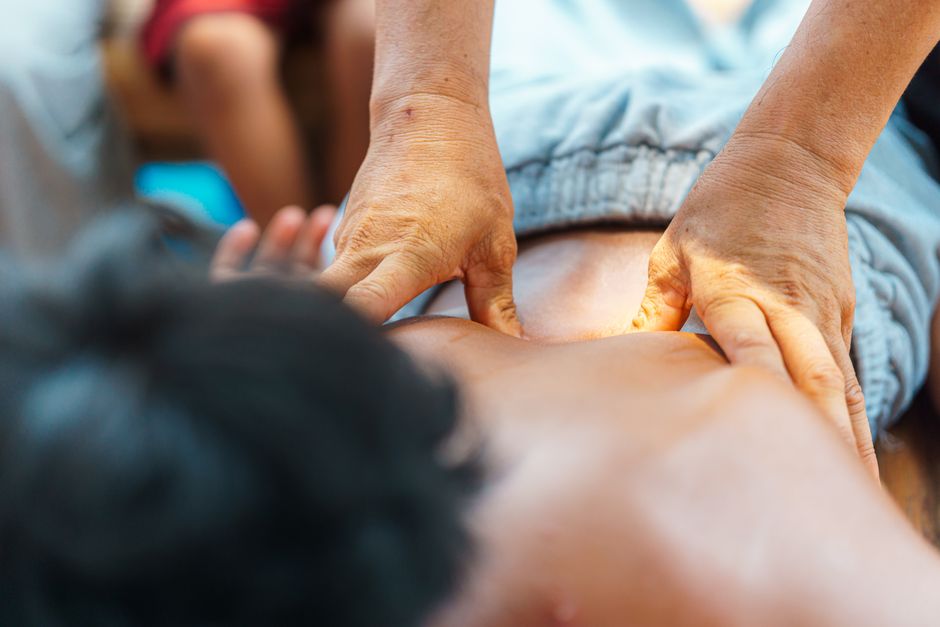
Most “circulation-boosting” gadgets — massage devices, infrared wraps, magnetic bracelets — have no clinical evidence supporting improved blood flow. Some may provide temporary comfort, but that is different from improved circulation.
High-dose vitamins without deficiency do not improve circulation. If you are not deficient in a nutrient, taking more of it does not help your blood vessels.
The honest summary is that circulation responds to the same things that support cardiovascular health overall: movement, good food, not smoking, controlled blood pressure and blood sugar, and adequate hydration. There is no shortcut around those fundamentals.
Frequently Asked Questions
What is the fastest way to improve blood circulation?
Movement is the fastest-acting approach — a brisk walk or any activity that raises your heart rate increases blood flow within minutes. Lasting improvements in blood vessel function take weeks of consistent exercise.
Do circulation supplements actually work?
Most have little or no clinical evidence for improving circulation in healthy people. A few, like horse chestnut extract for chronic venous insufficiency, have modest evidence for specific conditions, but general “circulation support” claims are not supported by large human trials.
Can poor circulation be reversed?
It depends on the cause. Circulation problems from narrowed arteries cannot be fully reversed, but exercise, diet, and controlling blood pressure and blood sugar can slow progression and improve how well vessels function. Venous circulation often improves with compression and leg elevation.
Does drinking water help blood circulation?
Yes. Blood is roughly 90% water, and dehydration makes blood thicker and harder to pump. Staying hydrated supports normal circulation, though it will not fix circulation problems caused by artery disease or heart conditions.
